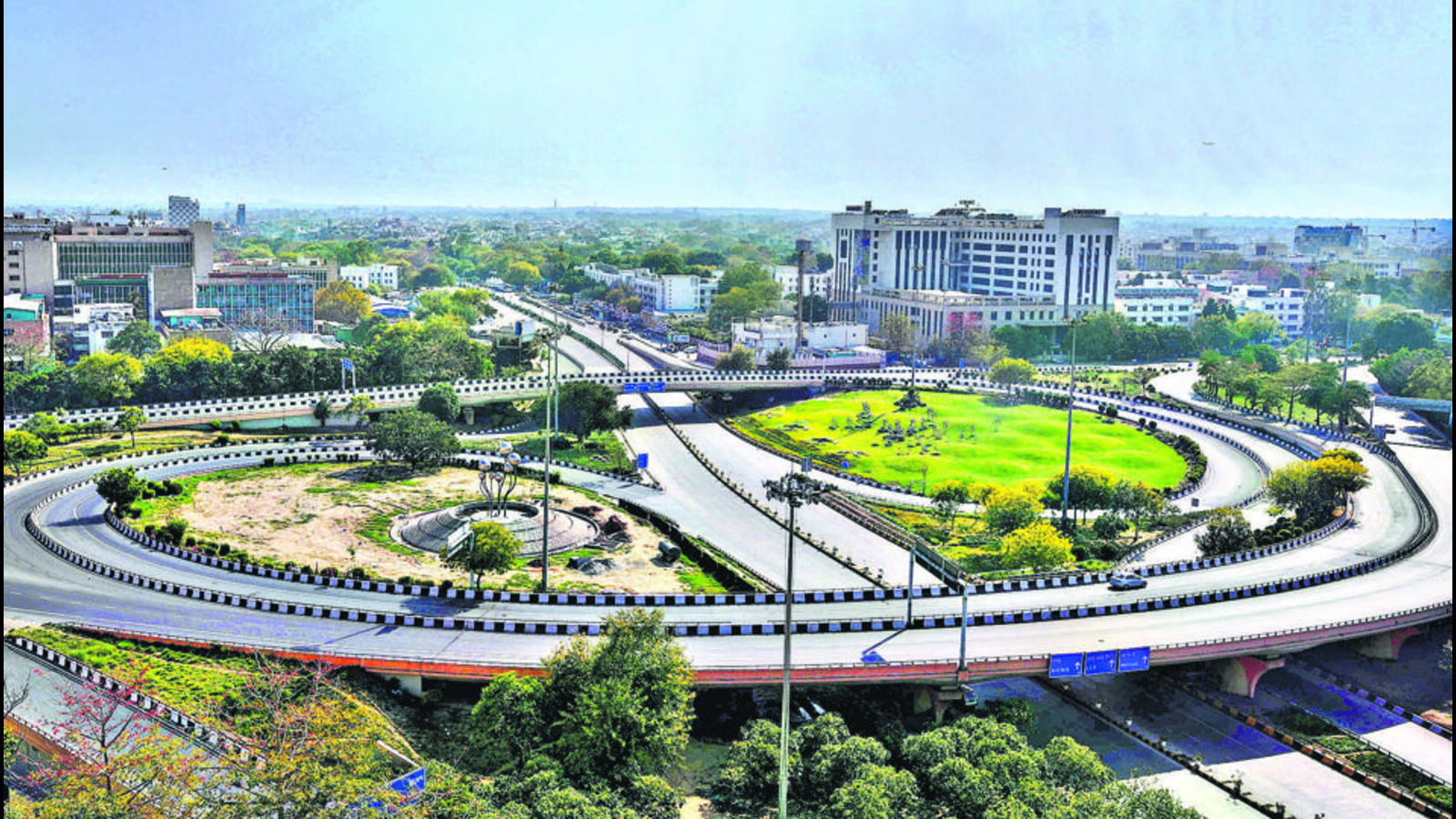
Delhi Infrastructure Upgrade Focuses On Flyover Safety
Delhi’s road infrastructure is set for a significant maintenance push as authorities move ahead with a structured Delhi flyover repair programme targeting two high-traffic corridors in the city. The initiative, led by the Public Works Department, focuses on restoring structural integrity and extending the lifespan of flyovers at Seelampur and Zakhira—both critical to daily commuter movement across north and west Delhi. The planned intervention comes amid growing concerns over ageing elevated road infrastructure in the capital, much of which was built during rapid expansion phases in the early 2000s. With traffic volumes rising and load patterns evolving, periodic rehabilitation has become essential to ensure commuter safety and system resilience.
Officials indicate that the Seelampur structure, operational for nearly two decades, will undergo a comprehensive strengthening programme expected to span about a year. The larger Zakhira flyover, which carries heavier and more complex traffic flows, is projected to require a longer execution window of up to 18 months. Together, these timelines reflect the scale and technical complexity of urban bridge rehabilitation in dense city environments. The scope of work under the Delhi flyover repair effort includes replacing expansion joints—critical components that allow structures to respond to temperature variations and traffic stress. Engineers will also undertake prestressing, a method that reinforces concrete by tensioning embedded steel strands, improving load-bearing capacity and reducing long-term wear. Additional structural reinforcements are planned to address fatigue and micro-damage accumulated over years of continuous use. Urban infrastructure specialists note that such interventions are not merely routine maintenance but essential investments in public safety and economic continuity.
Flyovers like Seelampur and Zakhira act as vital connectors, supporting freight movement, daily commuting, and access to commercial districts. Any structural compromise could have cascading impacts on mobility, productivity, and emergency response times. The repair works are also likely to influence traffic management strategies in the surrounding areas. Temporary diversions and phased closures may be required, potentially increasing congestion in the short term. However, planners argue that proactive rehabilitation is preferable to reactive closures, which tend to be more disruptive and costly. From a broader urban development perspective, the initiative aligns with the need for lifecycle management of infrastructure assets. As cities expand, maintaining existing structures becomes as critical as building new ones. Well-maintained flyovers contribute to smoother traffic flow, lower vehicle idling, and reduced emissions—an often overlooked aspect of climate-responsive urban planning. The projects also signal a shift towards prioritising structural audits and timely upgrades in public infrastructure governance. Industry observers suggest that similar assessments may soon extend to other ageing assets across the capital.
As work progresses, the success of the Delhi flyover repair programme will depend on execution efficiency and coordination with traffic authorities. For residents, the outcome could mean safer commutes and more reliable road networks—an incremental but essential step towards building a more resilient and future-ready urban transport system.