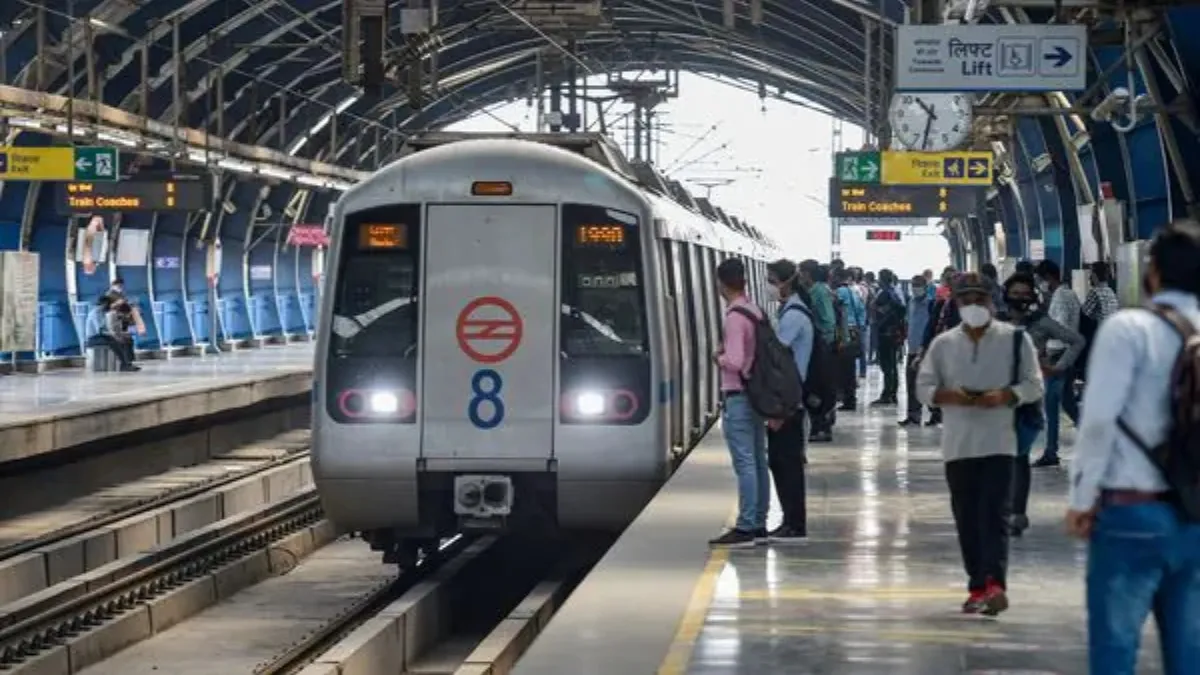
Delhi Infrastructure Push Targets Metro Expansion Boost
Delhi’s urban mobility network is entering a new phase of transformation as authorities intensify work on multiple metro corridors and key road infrastructure projects designed to ease congestion and improve connectivity across the capital. With several stretches already operational and new links advancing toward completion, the expanding transit system is emerging as a central pillar of the city’s long-term strategy to manage population growth, reduce traffic pressure, and strengthen sustainable mobility. A senior government official overseeing urban infrastructure recently reviewed progress across metro corridors, flyovers, and integrated road networks in the capital.
The review highlighted a series of new metro stretches expected to significantly improve cross-city connectivity once completed. These include links connecting western, northern, and southern parts of Delhi, as well as transit corridors extending toward the airport district and dense residential clusters. Urban planners say the current Delhi metro expansion programme is critical to maintaining mobility in one of the world’s fastest-growing megacities. The rail system already spans more than 400 kilometres with over 300 stations, making it among the largest rapid transit networks globally. However, rising travel demand and rapid suburbanisation have pushed authorities to accelerate additional phases of development. Officials indicate that several corridors scheduled for completion by the end of the year will improve access between residential neighbourhoods, commercial centres, and major transport hubs. New connections across outer Delhi and south Delhi are expected to reduce dependency on road-based travel, a key step in tackling chronic congestion and deteriorating air quality. Beyond rail infrastructure, the government is simultaneously expanding road capacity through integrated transport projects. A double-deck flyover currently under construction in north Delhi is designed to accommodate both vehicular movement and metro infrastructure within a single corridor — a model that transport experts view as an efficient use of scarce urban land.
Another elevated road project nearing completion in northeast Delhi aims to improve traffic flow between densely populated localities that experience severe peak-hour congestion. In the southern part of the city, a major corridor along an arterial road is undergoing widening and flyover construction, alongside underpasses intended to streamline traffic movement across intersections. Meanwhile, planners are also exploring a longer elevated road alignment along the Yamuna river corridor. If executed, the route could create an alternative north-south traffic spine, easing pressure on several of the capital’s most congested roads. The broader Delhi metro expansion programme is unfolding through multiple phases, with several new corridors already under construction and additional lines approved for future development through the end of the decade. Industry experts note that combining rapid transit with strategic road upgrades is increasingly necessary in megacities where traditional road widening alone cannot keep pace with mobility demand.
Transport specialists also emphasise that expanding high-capacity public transport remains essential for reducing vehicle emissions and supporting climate-resilient urban development. As Delhi continues to grow outward, the effectiveness of its integrated transit systems will likely determine how equitably and sustainably the city manages its next stage of urban expansion.