


The Delhi government has revised its capital expenditure for the 2025-26 fiscal year to INR 30,248 crore, signalling an intensified focus on infrastructure-led urban development across the city. The increase, announced in the Delhi Assembly through supplementary demands for grants, primarily targets transport, housing, education, municipal services, and environmental initiatives, with implications for mobility, urban renewal, and real estate growth.
Transport investment has been a major driver of the revised budget. Allocations for roads, bridges, and the metro network have risen sharply, with Delhi Metro expansion receiving a substantial boost. Urban planners note that this enhanced spending is likely to accelerate connectivity across peripheral and high-density neighbourhoods, reducing travel times, supporting transit-oriented development, and indirectly shaping residential and commercial land values. Education now accounts for over 21 per cent of the city’s total budget, with capital allocations focused on land and housing for institutions. Senior officials indicate that expanding educational infrastructure in tandem with urban growth corridors improves access to quality schooling and higher education, which in turn influences housing demand in emerging localities. Housing and municipal services have also seen significant increases. Allocations to the Municipal Corporation of Delhi and housing infrastructure have been raised to strengthen local civic services, water supply, and urban renewal projects. Analysts highlight that these investments may facilitate the regularisation of unauthorised colonies, improved urban amenities, and support the city’s broader goals of inclusive, people-first development.
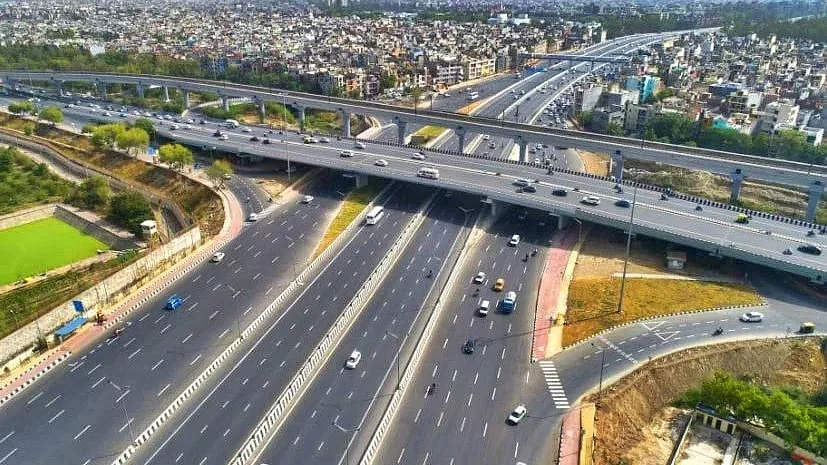
Road infrastructure improvements form a key part of the capital plan. Funds for road strengthening and the completion of projects like the Barapullah Phase III elevated corridor are expected to alleviate congestion in central and southern Delhi. Planners emphasise that targeted road investments, when integrated with public transport enhancements, are crucial for creating resilient urban mobility networks. Utilities and environmental initiatives have not been neglected. Loans to the Delhi Jal Board, allocations for power distribution subsidies, and contributions to the Yamuna rejuvenation programme have all been increased. Urban sustainability experts note that these measures signal a commitment to climate-sensitive urban management, improving water quality, energy reliability, and public health outcomes. Overall, the revised capital expenditure highlights the administration’s strategy of prioritising asset creation and long-term infrastructure. Real estate developers and urban economists suggest that increased spending in transport, housing, and civic services will have a multiplier effect on property markets, urban densification, and investment in city infrastructure.
While the budget targets large-scale projects, experts stress that its success will depend on timely execution, integrated planning, and alignment with sustainable development goals. For Delhi, the revised allocations present an opportunity to accelerate inclusive urban growth while addressing mobility, housing, and environmental challenges simultaneously.
Also Read: Gurugram Noida Projects Signal Luxury Shift
