Delhi Infrastructure Budget Expands Roads And Flyovers
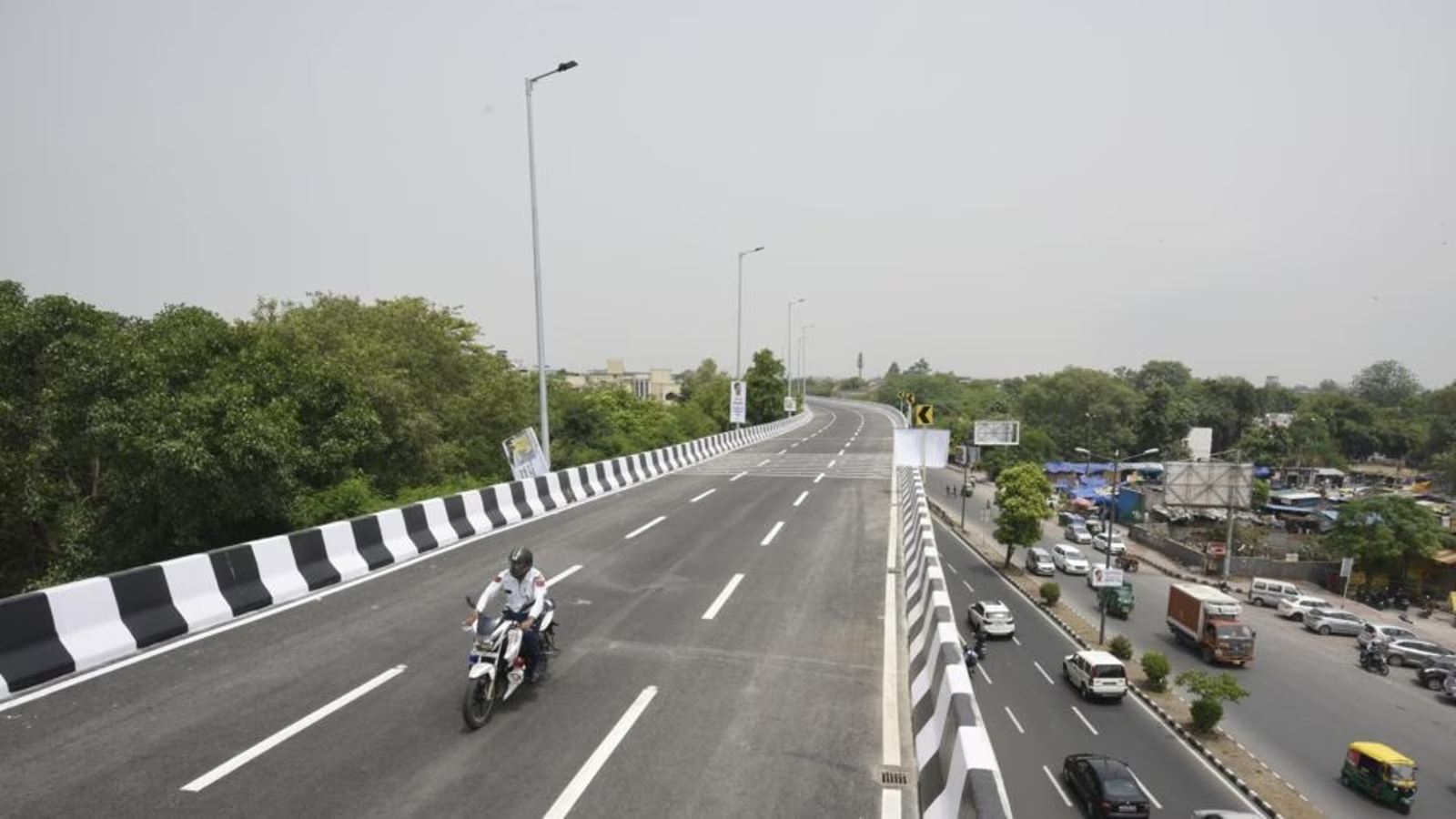
Delhi has unveiled a new round of transport-focused capital spending, clearing a series of flyovers, underpasses and corridor upgrades aimed at easing pressure on some of the city’s most congested routes. The latest Delhi infrastructure budget signals an expansion of grade-separated road networks, reflecting continued efforts to improve traffic flow in a rapidly densifying urban environment. Among the approved works are elevated road extensions and new junction redesigns across South and East Delhi, where daily congestion disrupts both residential mobility and commercial activity. Officials associated with the planning process indicate that these projects are expected to reduce intersection delays and create smoother traffic movement along key arterial links connecting business districts and residential clusters.
A major component of the plan involves upgrading an existing flyover corridor into a multi-lane structure with improved safety features such as medians, barriers and wider carriageways. Another proposed elevated stretch will function as a one-way grade separator, designed to decongest a high-traffic junction that serves multiple neighbourhoods. Transport engineers note that such designs are typically used to segregate through-traffic from local movement, thereby improving travel time reliability. In North-East Delhi, an underpass project is expected to create a continuous signal-free stretch along a critical route connecting interstate corridors. This could streamline freight and commuter movement, particularly along routes linking peripheral regions with central Delhi. Experts suggest that such uninterrupted corridors can reduce fuel consumption and emissions in the short term by minimizing idling time at traffic signals. The Delhi infrastructure budget also allocates funds to revive stalled projects, including a long-pending elevated corridor that has faced delays for several years. Once operational, the route is expected to offer an alternative east-west connection, easing the load on existing road networks and improving access to adjoining regions beyond the city’s boundaries.
Beyond traffic engineering, the financial plan includes targeted spending on drainage upgrades, industrial area road improvements and pedestrian infrastructure such as foot overbridges. These investments reflect an attempt to address broader urban challenges, including flooding risks during extreme weather and safety concerns in high-density zones. Additional provisions for energy-efficient street lighting and surveillance systems indicate a parallel focus on public safety and resource optimization. Urban planners caution that while flyovers and underpasses can deliver immediate congestion relief, long-term mobility outcomes depend on integrating public transport, walking and cycling infrastructure into the planning framework. Without this balance, cities risk reinforcing car dependency and limiting progress towards low-carbon urban systems.
As Delhi continues to expand its built environment and economic footprint, the effectiveness of these investments will hinge on timely execution and alignment with sustainable mobility goals. The coming years will test whether infrastructure-led solutions can evolve into more holistic, people-centric urban development strategies.