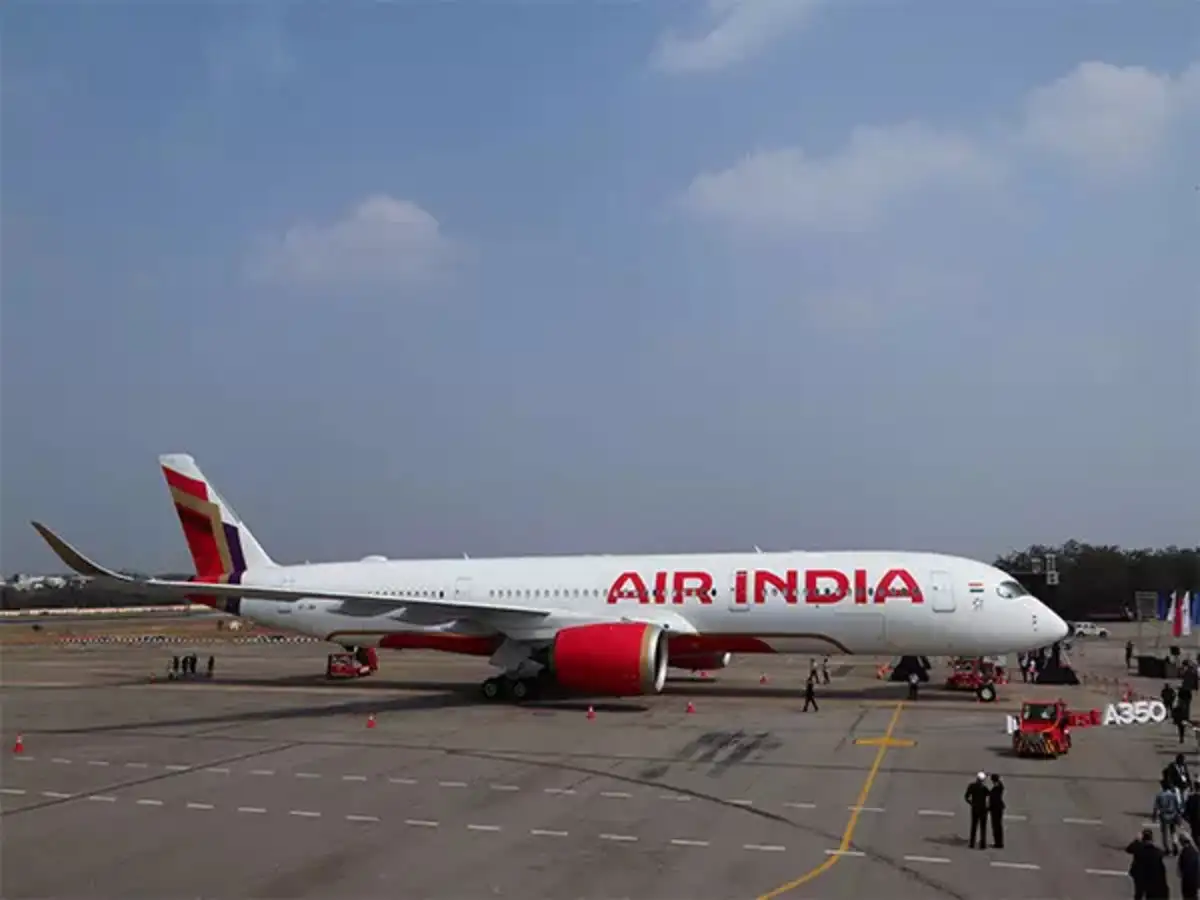
Delhi Indore Air India flight returns safely after engine fire alert
A Delhi-bound aircraft operating to Indore was forced to return to the capital shortly after take-off when the cockpit crew received a fire indication in one of its engines, prompting precautionary action. The aircraft landed safely and was subsequently grounded for detailed inspection, while passengers were transferred to another plane to continue their journey.
The incident occurred on 31 August when the aircraft signalled a MAYDAY to air traffic control but later downgraded the alert to PAN-PAN, reflecting urgency but not a full emergency. According to aviation officials, the crew followed established global safety protocols by shutting down the affected engine before executing a safe return.While no injuries were reported, the episode has revived discussions around aviation safety preparedness and the rising frequency of precautionary landings. Industry experts note that India’s rapidly expanding aviation sector must match its growth with investments in resilient infrastructure, sustainable technology, and robust maintenance standards.
Officials confirmed that the Directorate General of Civil Aviation (DGCA) has been briefed and will investigate the cause of the fire indication. Analysts stress that such reviews not only ensure accountability but also help reinforce passenger trust in domestic air travel.In a separate development, a Kolkata-bound flight from Nagpur was forced to turn back following a suspected bird strike the very next day. That aircraft, carrying more than 160 passengers, landed safely but was grounded for mandatory checks. The back-to-back incidents underline the unpredictable risks that airlines navigate daily and the need for stronger preventive measures.
Aviation specialists argue that beyond mechanical checks, the broader push for safety should include greener fuels, upgraded technology, and eco-friendly operations to minimise both risks and environmental impact. India’s commitment to carbon-neutral aviation will require airlines to embrace sustainability alongside safety.For travellers, the reassurance lies in the fact that airline crews are trained to manage emergencies with precision, prioritising safety above all else.
Yet, for a country that aims to emerge as one of the world’s largest aviation markets, such incidents serve as timely reminders that modernisation must be inclusive of sustainability, resilience, and equity in air mobility.As investigations progress, the grounded aircraft will undergo thorough inspection before returning to service. The incident is unlikely to dent passenger confidence significantly, but it adds urgency to calls for a systemic upgrade of India’s aviation ecosystem. The emphasis, experts maintain, should not only be on managing emergencies but also on creating a safer, cleaner, and more sustainable aviation future.