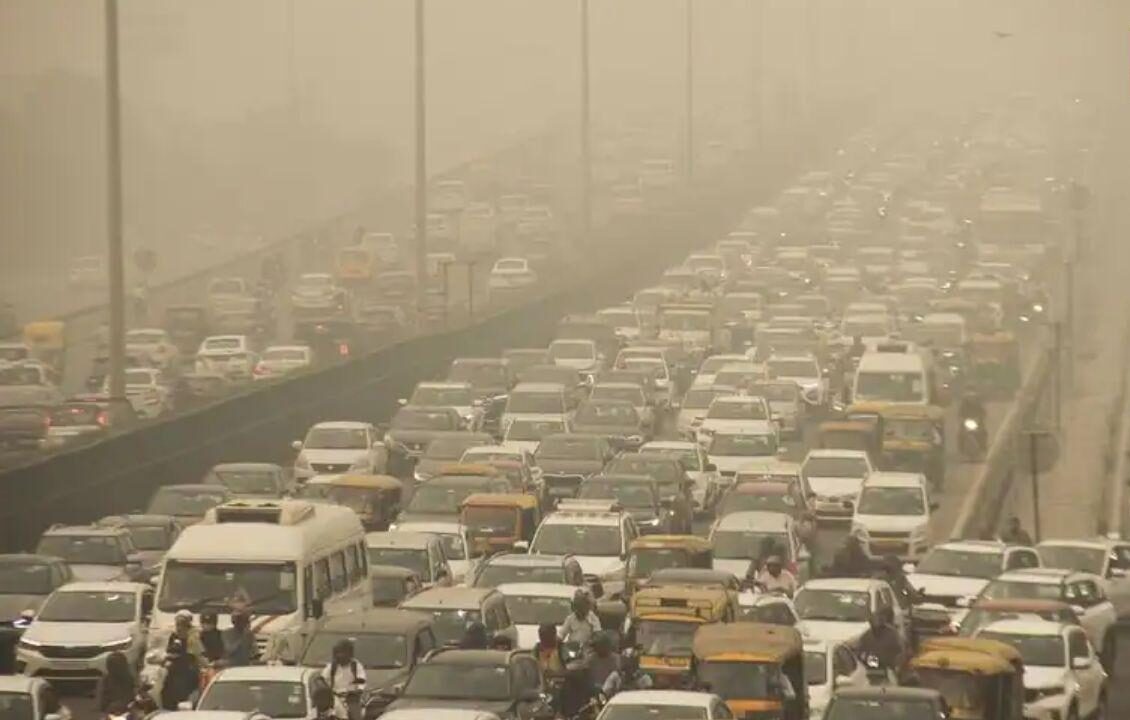
Delhi and the wider National Capital Region have once again slipped into severe air pollution territory, prompting regulators to reimpose Stage III measures under the Graded Response Action Plan. With air quality levels breaching the severe threshold, authorities have activated restrictions aimed at curbing emissions from construction, transport and industrial activity, underscoring the fragile balance between urban growth and environmental health in India’s largest metropolitan region.
According to monitoring data, the city recorded an Air Quality Index of 349, with dense smog reducing visibility and intensifying health risks for residents. In response, the Commission for Air Quality Management has enforced all provisions under GRAP Stage III across Delhi NCR. An official familiar with the decision said the measures were necessary to prevent further deterioration as unfavourable meteorological conditions continue to trap pollutants close to the ground. Under the latest restrictions, all non-essential construction and demolition activity has been halted. This includes earthwork, piling, excavation, welding, painting and operations at ready-mix concrete plants. The movement of construction materials on unpaved roads has also been stopped, reflecting concerns over dust emissions as a major contributor to particulate pollution. Additionally, stone crushers, brick kilns and mining-related operations across the region have been ordered to suspend work.
Transport restrictions form another key pillar of GRAP Stage III. The use of older petrol and diesel four-wheelers has been prohibited, alongside non-essential diesel-powered goods vehicles and inter-state diesel buses that do not comply with cleaner fuel norms. Industrial units operating on unapproved fuels have also been asked to shut down temporarily. Urban mobility experts note that these steps, while disruptive, are designed to deliver immediate reductions in nitrogen oxides and fine particulate matter. However, essential infrastructure and public services have been exempted from the construction ban. Projects linked to metro rail, railways, airports, highways, defence, healthcare and sanitation are permitted to continue, subject to strict dust-control and waste-management protocols. Construction tied to critical public interest projects may also proceed under close regulatory oversight. Vehicles used by persons with disabilities remain exempt from mobility restrictions.
The reimposition of GRAP Stage III has renewed debate around Delhi NCR’s dependence on emergency responses rather than long-term structural solutions. Environmental planners argue that recurring shutdowns highlight the need for cleaner construction practices, accelerated electrification of transport and stricter industrial fuel transitions. At the same time, policymakers face pressure to balance economic continuity with public health protection in a region that contributes significantly to national output. As winter advances, authorities are expected to review restrictions dynamically based on air quality trends. For residents, the episode serves as another reminder that sustainable urban development, cleaner mobility systems and resilient planning are no longer optional but central to the future liveability of India’s capital region.
Delhi Imposes Grap Three Construction Halt Diesel Cars Banned Across Ncr Region