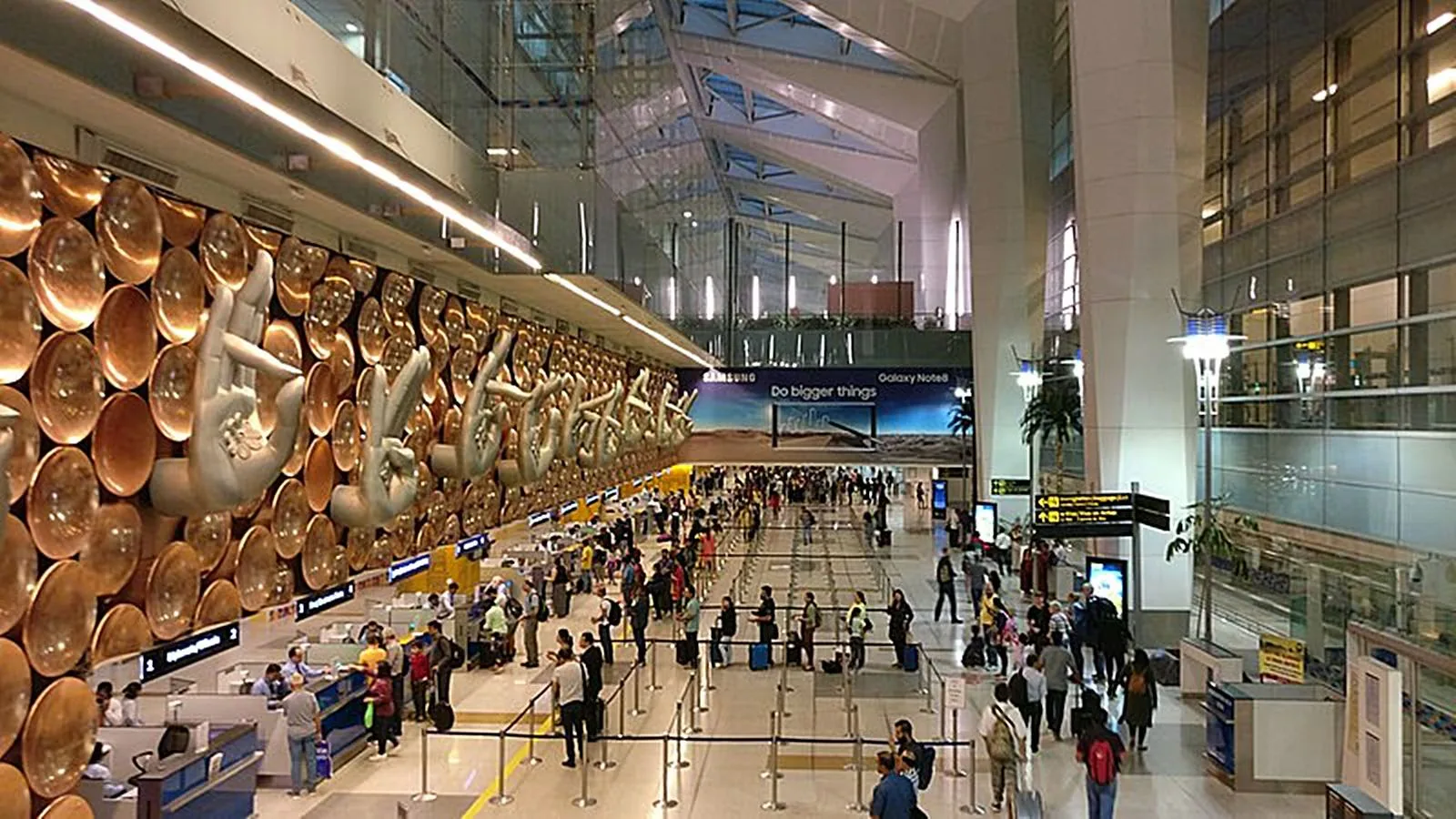
Delhi IGI Airport T3 to handle 50 percent more flyers by December
Delhi’s Indira Gandhi International Airport (IGIA) is preparing for a major operational shift that will allow Terminal 3 (T3) to handle nearly 50 per cent more international passengers by the end of this year. The expansion, backed by regulatory clearances, will enable the country’s busiest airport to accommodate up to three crore global flyers annually.
T3, the largest terminal at IGIA, currently manages around two crore international passengers and has long been a critical hub for global connectivity. However, as travel demand steadily rises post-pandemic, the airport operator has initiated measures to strengthen international capacity without expanding the physical footprint of the terminal.The plan involves converting one of T3’s domestic wings, also known as piers, into a dedicated international pier. Until now, the terminal’s four piers were equally divided between domestic and international flights. The reallocation will result in three piers serving international traffic, with the remaining one catering to domestic passengers.
While this change boosts international capacity from two crore to three crore flyers annually, it also slightly reduces domestic handling capacity from over two crore to about 1.8 crore passengers. Officials have clarified that the rebalancing is in line with evolving passenger trends, where Delhi has emerged as a preferred global transit point and India’s international aviation footprint is rapidly widening.The project was cleared after approvals from multiple agencies, including immigration, aviation security, customs, and the central security authority. Work on the conversion is already underway and is expected to be completed by December 2025, ensuring that the airport can cater to peak-season demand seamlessly.
Industry experts believe that the expansion is more than a response to rising traffic it is also about future-proofing Delhi’s aviation infrastructure in line with global benchmarks. As international airlines add new routes into India, airports are under pressure to align their services with sustainable, equitable, and secure passenger experiences.Delhi Airport has in recent years invested in energy-efficient systems, waste reduction, and digitisation to push towards carbon-neutral operations. The current expansion is being seen as part of a larger roadmap to make India’s capital city a model of eco-friendly and inclusive air travel.
Officials have underlined that the reallocation of space at T3 will not just benefit airlines and passengers but will also create a more equitable distribution of resources, ensuring that international travellers enjoy smoother journeys while domestic passengers continue to receive efficient services.As December 2025 approaches, Delhi Airport’s T3 stands at the intersection of rising global demand, urban sustainability, and the need to build aviation systems that are future-ready while remaining environmentally responsible.