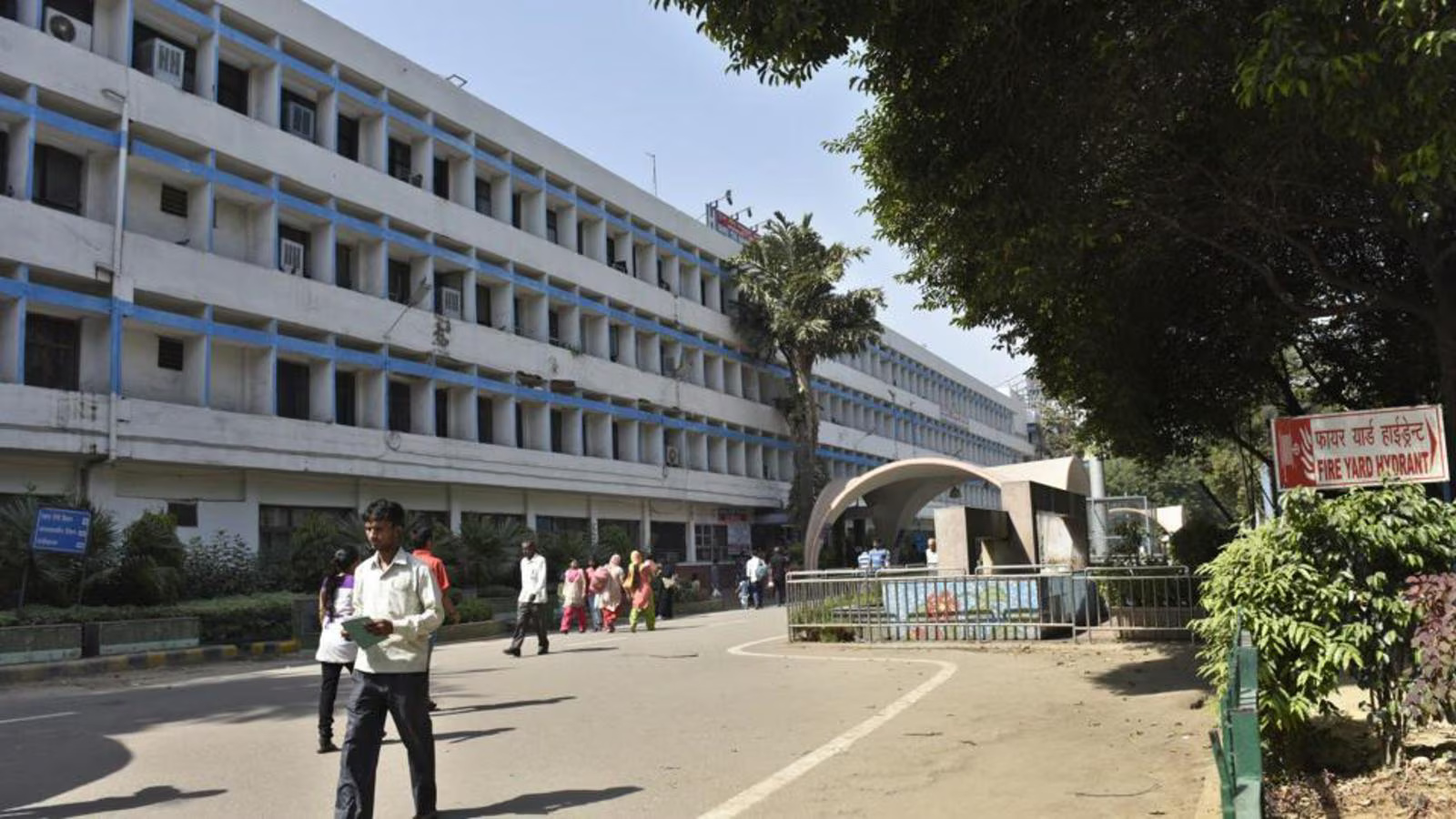
Delhi’s healthcare system is entering a new phase of expansion, with incremental gains in hospital capacity accompanied by plans for large-scale infrastructure development. While the addition of over a thousand beds in the past year marks progress, the capital continues to face a significant gap in healthcare access, underscoring the urgency of upcoming projects. Recent data indicates that total hospital bed capacity in the city has risen modestly, driven largely by central government institutions and private sector participation. Public hospitals under the city administration have also expanded their capacity without an increase in the number of facilities, pointing to a strategy of densification within existing campuses. However, the current bed-to-population ratio remains well below global benchmarks, highlighting structural constraints in urban healthcare provisioning.
The Delhi healthcare infrastructure expansion strategy now pivots towards a more ambitious pipeline. Authorities are planning a combination of new hospital developments and major upgrades to existing institutions, which together are expected to significantly increase bed availability over the coming years. This approach reflects a broader shift in urban planning, where healthcare infrastructure is being treated as a critical component of city resilience rather than a reactive service. Urban development experts note that expanding hospital capacity is not solely a health sector concern but also a spatial and economic one. Large medical facilities influence land use patterns, drive demand for residential and commercial real estate, and require robust transport connectivity. Integrating these projects with transit networks and mixed-use developments could help reduce access disparities, particularly in peripheral and underserved areas of the city. At the same time, improvements in emergency response systems suggest a parallel focus on service delivery efficiency. Officials report better coordination in patient transport and faster response times, even as overall emergency call volumes fluctuate. Such operational gains are essential in dense urban environments where timely access to care can significantly affect outcomes.
Public health indicators also show progress in controlling seasonal and vector-borne diseases, which have historically placed pressure on hospital systems during peak periods. A decline in reported cases points to more effective preventive measures, including surveillance, awareness campaigns, and localised interventions. These efforts reduce the burden on tertiary care facilities, allowing infrastructure investments to be utilised more effectively. Despite these gains, challenges remain. The Delhi healthcare infrastructure expansion must address not only capacity but also equitable distribution. Variations in access across neighbourhoods continue to shape healthcare outcomes, with lower-income and high-density areas often facing the greatest constraints. Planners emphasise the need for decentralised facilities and stronger primary care networks to complement large hospitals.
Looking ahead, the success of Delhi’s healthcare expansion will depend on how well infrastructure growth aligns with population needs, urban density, and environmental pressures. As climate risks and public health demands evolve, building a more accessible, efficient, and resilient healthcare system will be central to the city’s long-term sustainability.