


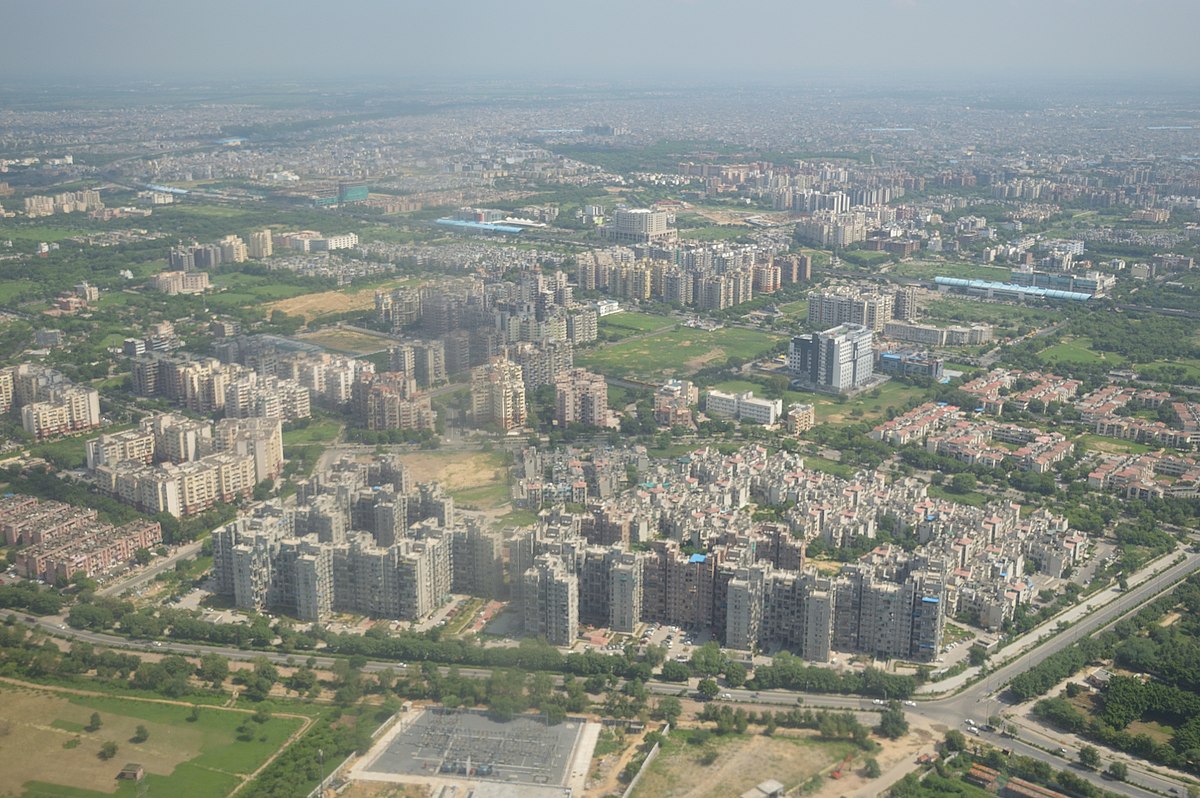
West Delhi’s residential landscape is undergoing a quiet but meaningful shift as homebuyers increasingly gravitate towards Dwarka Sector 15 and Dwarka Mor. Once considered peripheral, these neighbourhoods are now emerging as value-led housing destinations, offering a rare mix of metro connectivity, planned development, and comparatively accessible pricing within the National Capital.
Industry observers say the growing interest reflects a broader recalibration in buyer priorities. Rather than speculative appreciation, households are placing greater emphasis on daily liveability, commuting efficiency, and long-term security. A senior real estate consultant active in West Delhi noted that demand is being driven largely by end-users seeking functional two- and three-bedroom homes close to established transport corridors. Dwarka Mor, in particular, has evolved into a compact residential micro-market supported by the Delhi Metro’s Blue Line extension. Its location offers direct access to employment zones across Dwarka, Janakpuri, and Uttam Nagar, making it appealing for professionals with hybrid or office-based work schedules. Developers in the area have responded with smaller-scale builder floors and ready-to-move apartments that cater to nuclear families and first-time buyers. By contrast, Dwarka Sector 15 continues to attract households looking for a more organised urban environment. With its planned road network, civic amenities, and relatively greener streetscapes, the sector provides stability that appeals to long-term residents. Urban planners point out that such layouts help reduce congestion and improve walkability critical considerations as Delhi reassesses neighbourhood-level sustainability.
According to housing advisors, buyer enquiries across both locations have risen steadily over the past year, supported by clearer legal titles, improved construction quality, and better access to home finance. Ready inventory has proven especially attractive, as households seek to avoid prolonged construction risk amid fluctuating interest rates. Parents and multi-generational families are also factoring in access to schools, healthcare, and public transport when choosing homes. A market analyst explained that West Delhi’s evolving housing demand mirrors a citywide trend where affordability is being redefined not by headline prices alone, but by transport savings, infrastructure reliability, and quality of life. From an urban policy perspective, the renewed focus on Dwarka highlights the importance of transit-oriented development. Compact housing near metro stations reduces car dependency, lowers household emissions, and supports more inclusive urban growth an approach increasingly seen as essential for Delhi’s future resilience.
As supply tightens in central districts, Dwarka Sector 15 and Dwarka Mor are likely to remain on the radar of buyers seeking balanced urban living. For city planners and developers alike, the lesson is clear: well-connected, legally sound, and human-scale neighbourhoods continue to outperform speculative growth in India’s evolving housing market.
Also Read: Mumbai IHG Hotels Partners YB Group To Launch Holiday Inn Express BKC
Delhi Homebuyers Choose Dwarka Sector 15 Dwarka Mor For Value-Driven 2BHK 3BHK
