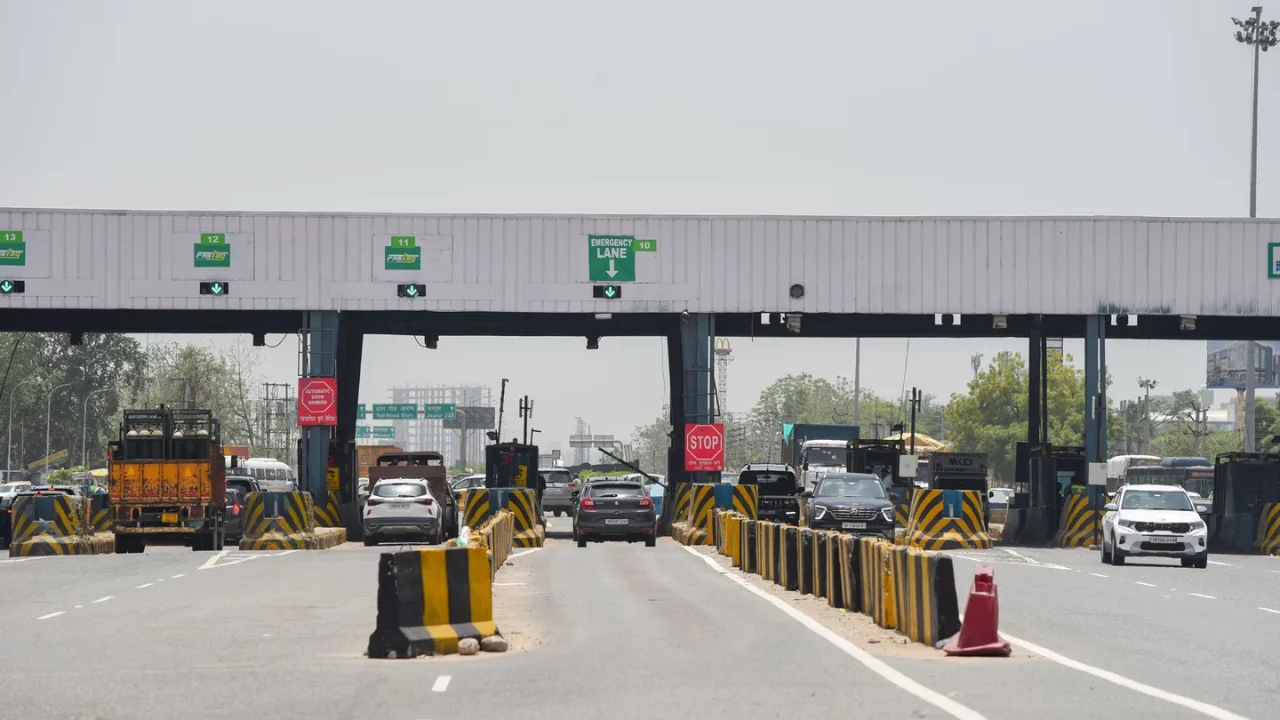
Delhi Highways Toll Modernisation And Revenue Recovery
Delhi’s transport infrastructure is set for an overhaul as city authorities push forward a plan to modernise tolling, recover pending revenues, and clear encroachments choking the capital’s highways. At a recent inter-agency review, officials underlined that the twin goals of technology adoption and financial accountability are crucial for keeping India’s busiest urban roads efficient and sustainable.
Senior representatives from the highways authority, traffic police, municipal corporation, and key utilities reviewed long-standing bottlenecks at critical junctions including the Sirhol–Rajokri border on NH-48, the Badarpur crossing on NH-19/44, the Delhi–Meerut Expressway toll plaza, the Dwarka Expressway near Bijwasan, and the stretch of the Urban Extension Road-II between Najafgarh and Bahadurgarh. These points, flagged as persistent congestion hotspots, have hampered not only daily commuters but also freight movement across the National Capital Region.
Officials directed the swift introduction of gantry-based tolling using Automatic Number Plate Recognition (ANPR) cameras, RFID readers, and full FASTag integration. This move is expected to replace outdated toll collection methods and bring Delhi in line with global practices for urban traffic management. According to experts, such systems reduce leakages, shorten queues, and cut down emissions from idling vehicles, aligning with the capital’s need for greener transport solutions.
The review also focused on financial irregularities. Outstanding dues exceeding Rs 50 crore from toll plaza operations were highlighted, with a directive that delayed remittances be cleared immediately. Officials stressed that public funds from toll revenue must be transparently channelled back into infrastructure upgrades and maintenance, instead of remaining locked in arrears. Illegal encroachments along highways also came under scrutiny. Authorities ordered the removal of unauthorised dumping and roadside structures on UER-II and cracked down on illegal hoardings at Mahipalpur, the Delhi–Meerut corridor, and the Delhi–Saharanpur stretch. Experts pointed out that such encroachments not only slow traffic but also undermine safety, contributing to both congestion and pollution.
Maintenance challenges for critical flyovers and elevated corridors were also raised, with urgent calls for repairs at Mahipalpur and Badarpur to prevent long-term damage. Environmental concerns, particularly unauthorised sewerage discharge into stormwater drains along highways, were identified as a serious risk to road integrity and a cause of urban flooding during the monsoon. Departments were instructed to act against violators and ensure compliance. Authorities concluded the review with a one-month deadline for compliance reports covering congestion relief, revenue recovery, and encroachment clearance. Officials underscored that Delhi’s highways are the arteries of the national capital and must reflect both efficiency and sustainability. The emphasis, they said, is not just on building roads, but on maintaining them as safe, climate-resilient corridors that serve people without delay.