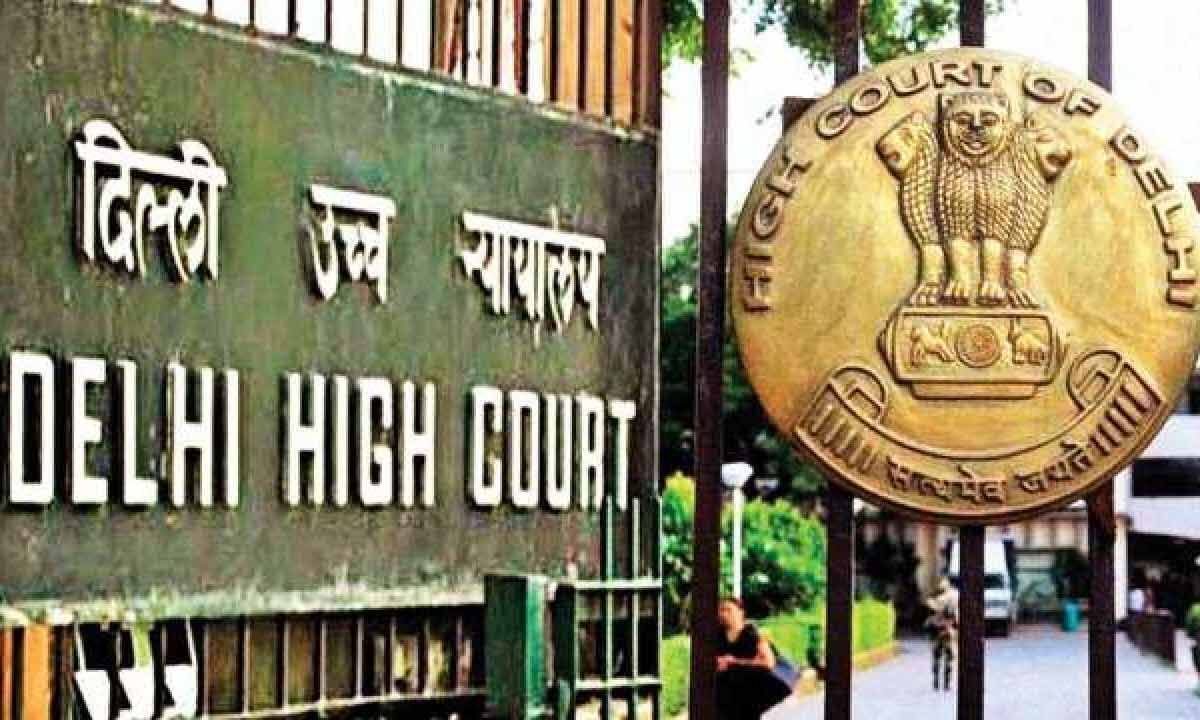
The Delhi High Court has issued stern directives to the city’s Municipal Corporation (MCD) and the Delhi Jal Board (DJB), criticising inadequate drain maintenance that threatens public safety. In a suo motu hearing addressing recurrent waterlogging in a residential colony, the bench emphasised that administrative lapses in infrastructure management can have tangible safety consequences, particularly for children, the elderly, and residents in flood-prone areas.
Officials informed the court that MCD is facing severe financial constraints, hampering efforts to cover flood chambers and erect barricades along critical drains. MCD Commissioner reported that completing the required flood prevention works would necessitate ₹10–15 million, while the civic body grapples with liabilities totalling nearly ₹15,791 crore. The absence of a functioning Finance Commission further exacerbates the municipal funding gap, complicating resource mobilisation. Highlighting the gravity of the situation, the court instructed the Delhi government to urgently assess the MCD’s financial status and provide guidance on enabling the completion of mandated works. “Barricading of the drain is essential for public safety and cannot be delayed due to budget constraints,” the bench observed. Officials were directed to issue tenders and complete the drain-covering and barricading within three months, with progress to be reviewed at the next hearing on 19 December.The Delhi Jal Board was also reprimanded for delaying objections related to major pipelines intersecting the drain reconstruction site. The bench stressed that bureaucratic disputes between MCD and DJB should not hinder critical infrastructure projects. “Coordination is imperative. Administrative wrangling cannot compromise citizen safety,” the court remarked. Urban planners note that timely and effective maintenance of urban drainage systems is central to resilient and inclusive city planning. Inadequate drainage exacerbates flooding risks, increases public health hazards, and can disrupt urban mobility.
Observers argue that MCD’s financial strain reflects wider challenges in municipal financing in India, where local bodies often depend on delayed state transfers and insufficient revenue streams. The court’s intervention underscores the need for proactive governance in urban infrastructure, balancing budgetary limitations with the pressing requirements of citizen safety. As India’s cities continue to expand, ensuring sustainable and adequately funded civic systems will be essential to mitigating urban flood risks and protecting vulnerable populations.
Delhi High Court Orders MCD DJB To Cover Drains Ensure Public Safety