


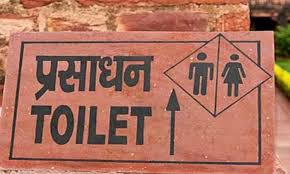
The Delhi High Court regarding the lamentable condition of public toilets across the capital have brought into sharp focus a critical civic infrastructure deficit, igniting a renewed debate on urban liveability and governance efficacy. Despite the nationwide impetus of the Swachh Bharat Abhiyan, the continued prevalence of unhygienic public facilities in Delhi reflects a concerning disconnect between ambitious national campaigns and ground-level implementation, directly impacting citizens’ dignity and the city’s aspirations for sustainable, equitable development.
The abysmal state of public sanitation facilities, as highlighted by political figures, exposes a systemic challenge that transcends political affiliations, pointing to a collective failure in ensuring fundamental civic amenities. Prominent market areas such as Chandni Chowk, Paharganj, Nehru Place, Azad Market, Janakpuri, Tilak Nagar, and Rajouri Garden, which contribute substantial tax revenues to the Delhi government and the Municipal Corporation of Delhi, are particularly blighted by these inadequate provisions. Visual evidence from locations like Sangat Rashan Bazar, Grain Market, and General Market in Paharganj starkly illustrates the operational shortcomings of responsible civic agencies.
This persistent issue carries profound implications for the city’s inhabitants, especially women, children, and informal sector workers. The absence of clean, safe, and accessible public toilets directly infringes upon the right to dignity and health, disproportionately affecting women’s mobility and participation in public life. A truly gender-neutral and equitable city mandates infrastructure that caters to the diverse needs of all its residents, ensuring that basic sanitation is not a privilege but a universal right. The current scenario in Delhi presents a significant barrier to achieving such inclusive urbanisation.
Furthermore, the critique extends to the fiscal accountability of civic bodies. For over a decade, substantial taxes have been levied under the guise of the Swachh Bharat Abhiyan, yet the tangible improvements in public sanitation, particularly in the capital’s public conveniences, remain conspicuously absent. This disparity between collected funds and visible outcomes raises pertinent questions about resource allocation, project execution, and the overarching governance framework responsible for urban cleanliness. Effective financial stewardship is paramount for translating policy intentions into tangible improvements for the populace.
The broader narrative of Delhi’s sanitation crisis is further complicated by challenges such as pervasive garbage accumulation, a lack of consistent water and power supply to public toilets, and frequent clogging issues. These operational deficiencies contribute to an environment that is far from the vision of an eco-friendly and sustainable urban centre. While several rural zones across eleven states have successfully declared themselves open defecation-free under the Swachh Bharat Mission Rural, it remains a regrettable paradox that India’s capital has yet to achieve this fundamental milestone, casting a shadow over the national cleanliness drive’s urban impact.
Ultimately, the condition of Delhi’s public toilets serves as a stark barometer of its commitment to urban liveability and its citizens’ well-being. Addressing this critical infrastructure gap is not merely a matter of civic convenience but a foundational requirement for building a truly smart, sustainable, and equitable metropolis. It demands a concerted, apolitical effort from all governing bodies, focusing on transparent execution, robust maintenance protocols, and a genuine dedication to providing dignified and healthy public facilities for every resident.
Also Read: KMC to boost pond infrastructure linking ecology with sustainable tourism
