Delhi Heritage Week Promotes Culture And Urban Ecology
A week-long public engagement programme centred on heritage conservation and urban ecology will begin in Delhi’s Mehrauli Archaeological Park on April 13, bringing together cultural activities, student outreach initiatives, and exhibitions aimed at strengthening public awareness of the capital’s historic landscapes. The initiative, organised by the city’s land development authority in collaboration with national heritage experts, seeks to reconnect residents—particularly younger generations—with the layered history of Mehrauli, one of Delhi’s oldest continuously inhabited urban zones. The programme reflects a broader urban planning approach that integrates heritage preservation with ecological restoration and inclusive public spaces.
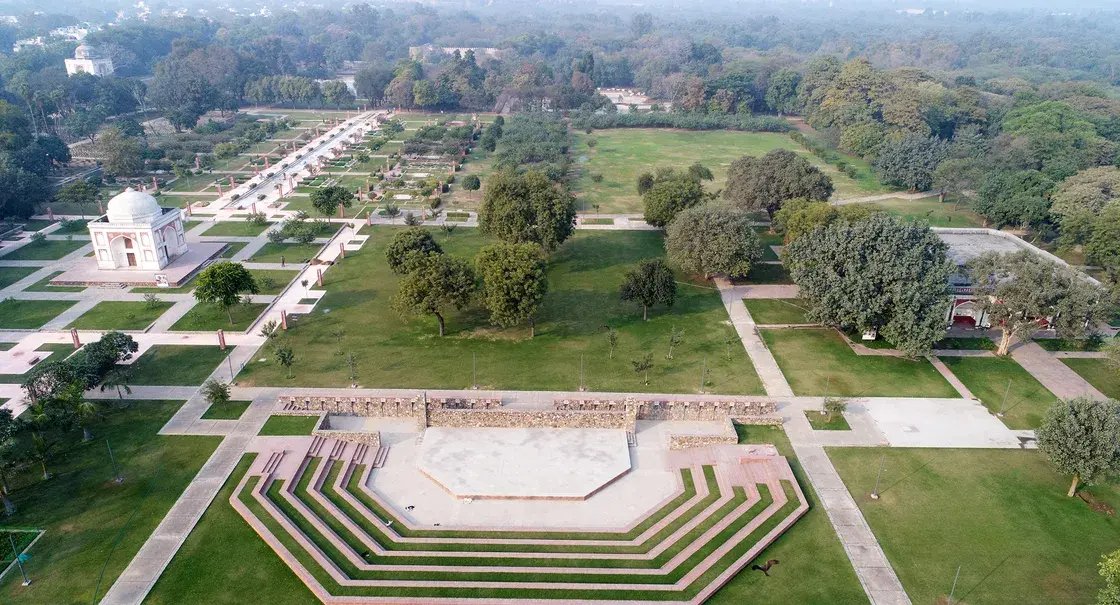
Running until April 18, the event will include exhibitions documenting ongoing conservation work in the Mehrauli area. These displays are expected to highlight restoration projects, landscape management efforts, and archaeological findings that collectively contribute to safeguarding the district’s historical character while accommodating contemporary urban needs. Urban planners note that the significance of the Delhi Heritage Week programme lies not only in its cultural programming but also in its role in fostering civic ownership of historic assets. In rapidly expanding metropolitan regions, heritage sites often face pressures from infrastructure development, tourism, and environmental degradation. Public awareness campaigns can help bridge the gap between preservation policies and everyday urban life. Mehrauli Archaeological Park itself represents a unique convergence of heritage and biodiversity within the capital. Spread across several hundred acres, the site contains centuries-old monuments, medieval structures, water bodies, and patches of restored green cover. Urban ecology specialists have increasingly emphasised the importance of such landscapes as climate buffers, carbon sinks, and recreational spaces within dense cities.
Officials involved in the initiative say the programme is designed to engage a wide cross-section of participants. Activities scheduled during Delhi Heritage Week include photography contests, sketching and drawing sessions, storytelling competitions, and student dialogue forums focused on the historical narratives embedded within the city’s built environment. Cultural performances and public exhibitions will also form part of the schedule. In the days leading up to the event, several guided heritage walks have already been organised in partnership with academic institutions specialising in heritage research and management. These tours explored historic neighbourhoods and green spaces around Mehrauli, offering participants insights into the region’s architectural evolution, Sufi traditions, and settlement history. Another heritage walk is scheduled shortly before the main programme begins. Urban development experts believe initiatives such as Delhi Heritage Week play a strategic role in shaping more sustainable cities. When heritage sites are integrated into urban planning frameworks—alongside parks, pedestrian corridors, and ecological restoration—they can become anchors for community identity and environmental resilience.
As Delhi continues to modernise its infrastructure and expand its urban footprint, the challenge remains balancing growth with preservation. Programmes that bring citizens closer to historic landscapes may help ensure that conservation becomes a shared civic responsibility rather than a purely institutional mandate.