


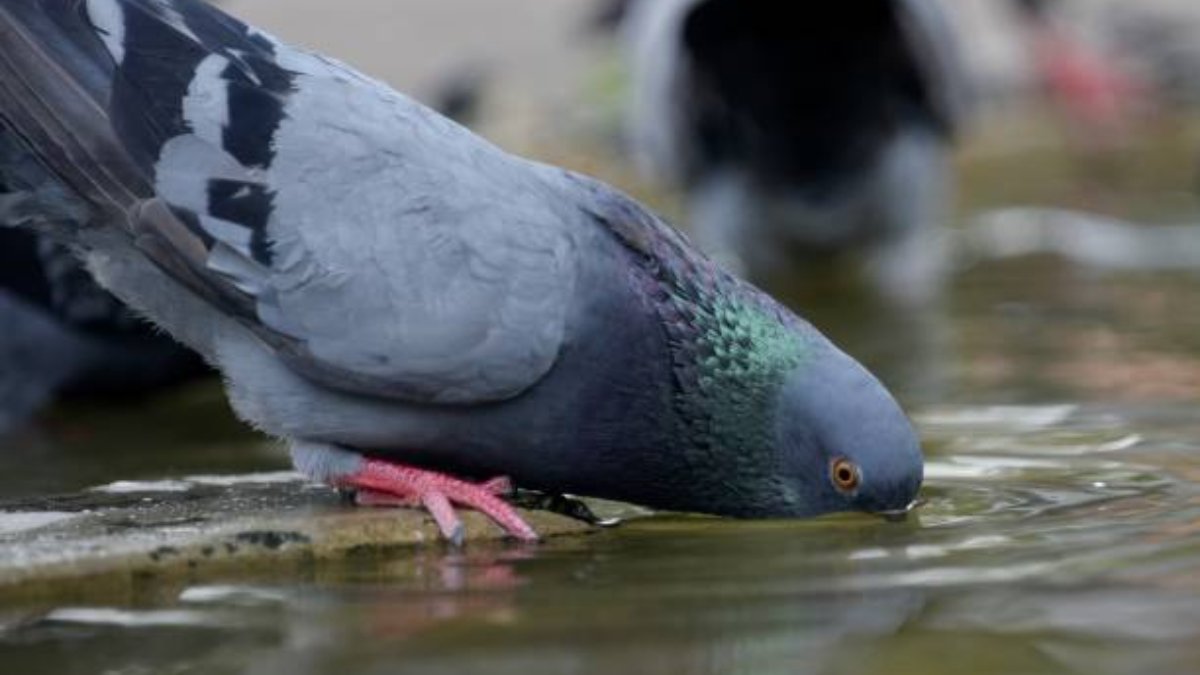
As New Delhi continues to reel under a severe heatwave, the city’s urban wildlife is facing a silent but deadly crisis. From dehydrated birds plummeting mid-air to street dogs collapsing in open spaces, animal rescue organisations and veterinary services are reporting a sharp spike in wildlife distress across the city. Several of them were rescued.
Birds have been particularly vulnerable, with many species collapsing due to heatstroke and lack of water. The most affected species include black kites, barn owls, pond herons, sparrows, and hornbills—many of them fledglings and nestlings. According to field volunteers, the younger birds are unable to withstand the rising heat and often fall from nests in disoriented, dehydrated states.
The capital’s animal rescue organisations have also reported the rescue of bats, macaques, and snakes—including spectacled cobras and Indian wolf snakes. A notable concern is the condition of high-altitude flying birds such as black kites and buzzards, which are more susceptible to heat exhaustion during longer flights in search of food. Urban rescue units noted that at least 150 birds were brought in during a single week by concerned citizens, many of whom found the birds lying motionless on roads or balconies.
The city’s wildlife rescuers are now operating at full capacity, responding not only to heat-related ailments but also to injuries caused by storms and harsh winds, which have compounded the impact of the heat. May had offered temporary relief with milder-than-usual temperatures. However, a sudden spike in June has led to what animal welfare teams describe as a “flip” in conditions, overwhelming their operations.
City forest departments have stepped in by increasing the number of waterholes across major forested patches such as the Asola Bhatti Wildlife Sanctuary. Officials have reported the refurbishment of historic ponds and the installation of over 200 watering stations to support wildlife. These efforts, however, are often undermined by littering, drying out of open water sources, and limited public awareness about animal vulnerability during extreme climate events.
Urban development authorities were directed to create emergency watering points in protected city forests and green belts. Street dogs, too, have not been spared. Several were found unconscious or deceased due to heatstroke. Animal care volunteers have stepped up relief efforts by establishing hydration stations and ensuring that shaded feeding points remain well-stocked across neighbourhoods.
Also Read: Punjab farmers unite to resist land acquisition
Delhi heatwave dehydrates birds and wildlife
