


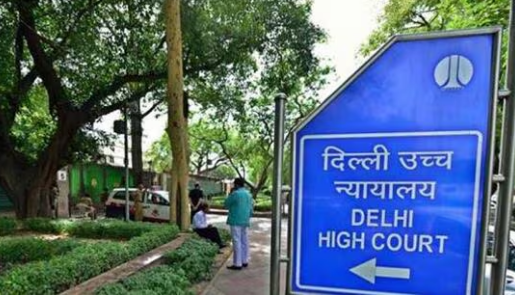
The Delhi High Court on Friday underscored the critical need to protect future generations by addressing the hazardous conditions at the Bhalswa Dairy Colony. The court’s observations came amid ongoing legal proceedings regarding the deplorable state of Delhi’s nine designated dairy colonies, which have been under scrutiny for their unsafe and unsanitary conditions.
The High Court’s intervention follows the temporary halt of a demolition drive by the Municipal Corporation of Delhi (MCD) at Bhalswa Dairy Colony, an area that has seen substantial resistance from local residents. The demolition, aimed at clearing unauthorised constructions, was paused after thousands of citizens protested, drawing attention to the complex socio-economic issues intertwined with the MCD’s actions.
During the proceedings, a bench comprising the Acting Chief Justice and a fellow Justice expressed grave concerns about the health implications of allowing cattle to feed on toxic waste, particularly in an urban environment. The bench pointed out that the primary focus should be on safeguarding public health rather than merely addressing illegal constructions. “We owe it to the next generation to develop infrastructure for dairies… cows can’t be allowed to feed on toxic waste,” remarked the Acting Chief Justice, signalling the court’s prioritisation of citizen health over other considerations.
The court also extended temporary relief to certain cattle owners, offering protection against the demolition of their properties. This relief was granted on the condition that these owners agreed to relocate their operations to the Ghogha Dairy Colony, a move that aligns with the court’s broader objective of ensuring safer and more hygienic conditions for dairy farming in the city.
The Acting Chief Justice further highlighted the alarming issue of contaminated milk being sold in the market, describing it as “practically poison.” This observation underscores the court’s focus on the potential health hazards posed by the current conditions at Bhalswa, where cattle are reportedly feeding on toxic waste. The court made it clear that it is not concerned with the legal status of the constructions per se, but rather with the urgent need to mitigate the public health risks associated with contaminated dairy products. For those contesting the demolition orders, the court advised them to challenge such actions through appropriate legal channels. The Acting Chief Justice stressed that if the constructions are lawful, property owners have the right to defend their assets; however, in cases of illegality, the MCD is expected to proceed with necessary actions.
The High Court’s directive for safer dairy infrastructure and its emphasis on public health mark a critical juncture in the management of urban spaces in Delhi. The court’s stance serves as a reminder that the health of the city’s residents cannot be compromised, and that urban planning must evolve to meet the demands of a growing metropolis. As the situation at Bhalswa Dairy Colony unfolds, the court’s focus on public health and sustainable infrastructure will likely set a precedent for how similar issues are addressed in the future.
