


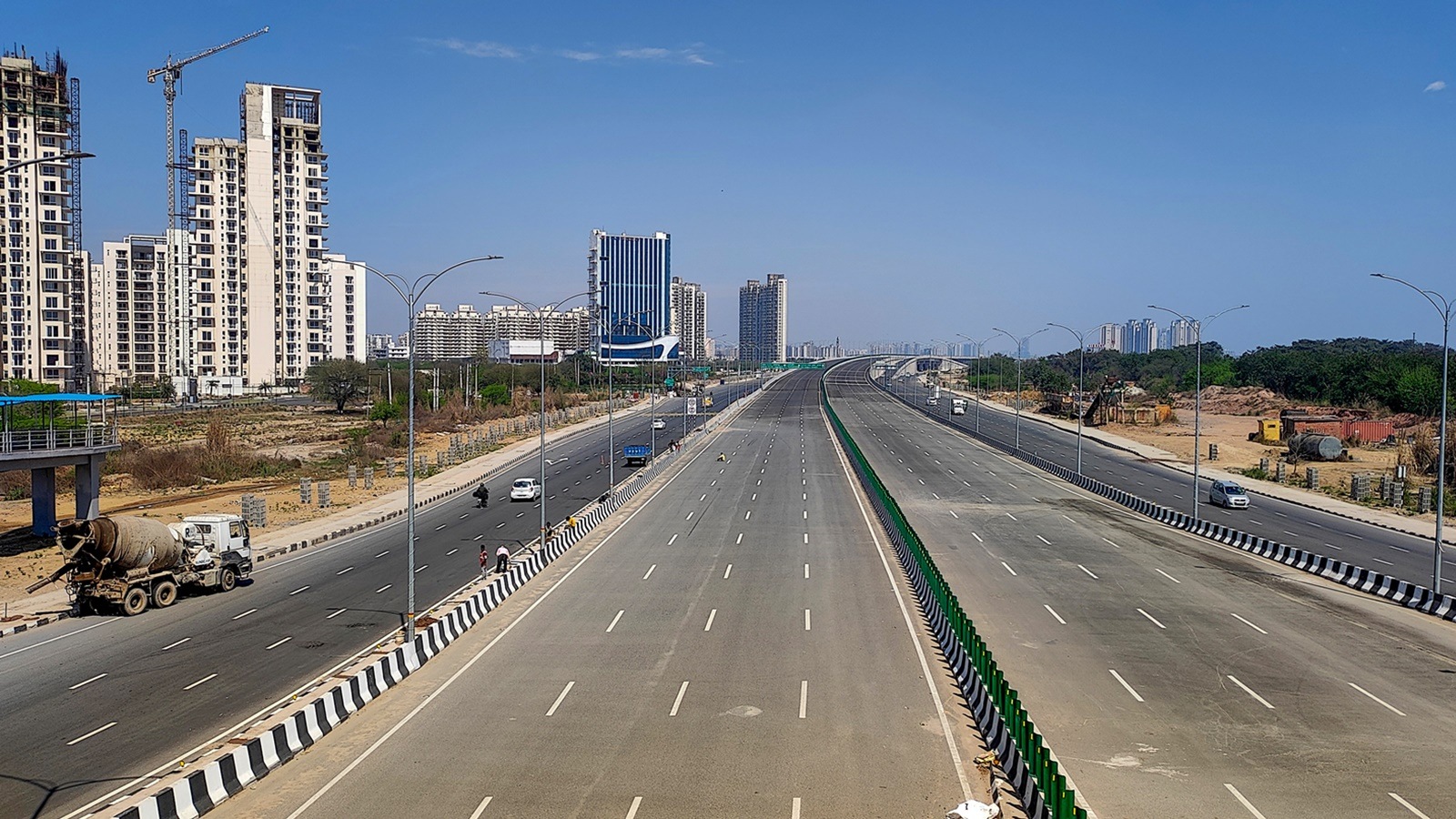
Dwarka Expressway connecting Delhi and Gurugram is poised to commence its trial operations from May 29, heralding a significant milestone in regional urban infrastructure.
This development promises to alleviate the perennial traffic congestion that has plagued commuters along one of the busiest corridors in the National Capital Region (NCR). Authorities have authorised a preliminary three-hour daily trial allowing light motor vehicles to traverse a 10-kilometre section of the expressway. This phase is critical to testing traffic flow dynamics, safety protocols, and infrastructure reliability before full-scale public access is granted. Officials emphasise that this measured approach will ensure the expressway meets operational standards without compromising commuter safety.
Upon completion, the 29-kilometre expressway, including a sophisticated 3.6-kilometre tunnel beneath the heavily trafficked NH-8, is expected to dramatically reduce bottlenecks at the Delhi-Gurugram border. This strategic link will streamline access to major hubs including the Indira Gandhi International Airport and the India International Convention and Expo Centre (Yashobhoomi). By bypassing the traditional choke points, the route aims to deliver a seamless travel experience to thousands of daily users. Designed with an eight-lane layout and multiple ingress and egress ramps, the expressway is tailored to support the growing commuter demand across the NCR. Officials from the National Highways Authority of India (NHAI) confirm that 19 kilometres of the route in Haryana are complete, with the remaining 10 kilometres under Delhi’s jurisdiction in the final stages of construction.
The inclusion of the NH-8 tunnel is a landmark feature that not only exemplifies advanced engineering but also contributes to reducing surface-level traffic disruptions near the airport vicinity. This tunnel is anticipated to significantly enhance traffic decongestion and foster smoother urban mobility. The expressway also serves as a vital connective artery, linking residential, commercial, and institutional zones such as Dwarka, Mahipalpur, and Gurugram. During the trial period, the corridor will operate toll-free, allowing for a smoother transition and facilitating the final calibration of toll collection systems, traffic signalling, and signage.
From an urban planning perspective, this expressway represents a critical step towards sustainable city development. By alleviating traffic jams and reducing idling times, the project contributes to lowering vehicular emissions, aligning with the broader goal of creating eco-friendly and climate-resilient urban corridors. Moreover, the expressway’s design promotes equitable access by improving connectivity across diverse city sectors without exacerbating traffic pollution. Commuters in Delhi and Gurugram have long contended with daily gridlocks that have impacted productivity and quality of life. The expressway’s operationalisation, even in a limited capacity, signals relief and an enhanced commitment from civic authorities to modernise transportation infrastructure in the NCR. However, experts stress the importance of ongoing monitoring during the trial to address any unforeseen challenges swiftly.
As the expressway moves towards full opening, it is imperative that integration with public transport systems and non-motorised transport options be prioritised to promote inclusive mobility. Ensuring gender-sensitive design elements such as safe pedestrian crossings and adequate lighting will further enhance the expressway’s contribution to equitable urban access. The upcoming Dwarka Expressway trial marks a transformative chapter in the NCR’s urban connectivity narrative. While it promises significant benefits in traffic decongestion and commuter convenience, its success will depend on sustained attention to safety, environmental sustainability, and inclusive planning to truly serve the broader interests of Delhi and Gurugram’s residents.
Also Read : Delhi Yamuna water turns toxic despite clean-up
