Delhi Groundwater Quality Crisis Raises Health Concerns
A recent audit assessment has raised serious concerns over Delhi groundwater quality, revealing that a majority of tested samples fail to meet potable standards. The findings point to systemic gaps in water governance, infrastructure, and monitoring, with implications for public health and long-term urban sustainability in the national capital. The review indicates that more than half of groundwater samples analyzed over a multi-year period were deemed unsuitable for drinking. This trend reflects increasing dependence on groundwater sources in a city where surface water availability remains constrained. Experts note that such reliance, without adequate recharge and quality control mechanisms, can accelerate both depletion and contamination risks.
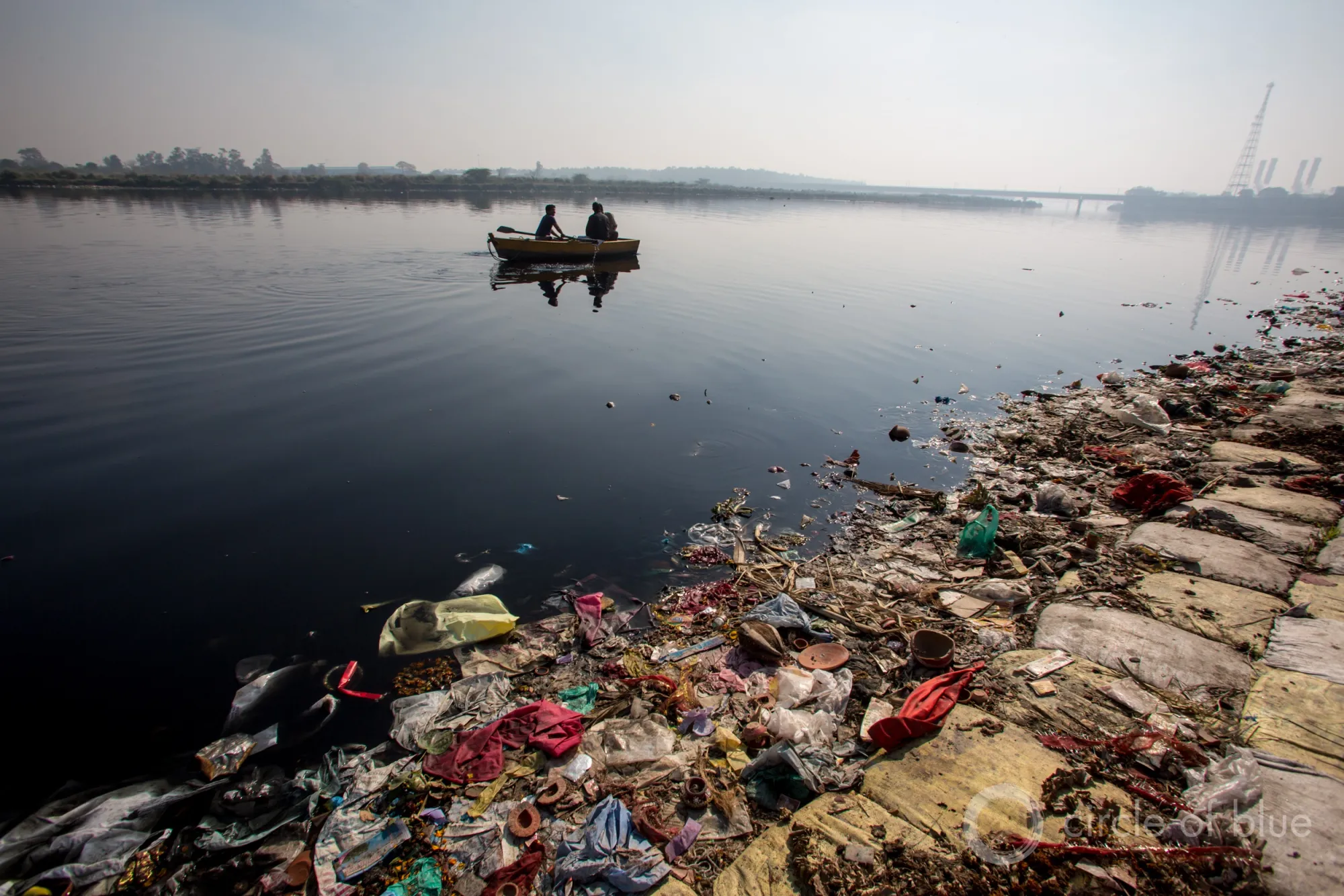
Underlying these findings are broader structural challenges. The absence of a comprehensive regulatory framework for groundwater management has resulted in fragmented oversight, with no single authority accountable for extraction, conservation, and quality monitoring. Urban planners argue that this governance gap is particularly critical in high-density cities, where informal water access often supplements municipal supply. The audit also highlights shortcomings in water testing practices. Laboratories tasked with monitoring Delhi groundwater quality are reported to be operating with limited capacity, both in terms of personnel and equipment. Inconsistent adherence to established quality standards further complicates efforts to ensure safe drinking water. The continued use of certain treatment chemicals, despite prior restrictions, raises additional concerns about compliance and health safeguards. Beyond drinking water, the condition of water bodies linked to groundwater recharge presents another challenge. A significant proportion of tested samples from lakes and ponds were found unsuitable for recharge purposes, indicating widespread contamination. This undermines the effectiveness of urban water conservation strategies, which rely on restoring natural recharge systems to maintain long-term supply. The situation is compounded by persistent issues in wastewater management. Inadequate treatment capacity and gaps in sewage infrastructure mean that untreated or partially treated wastewater continues to enter natural drains and river systems.
This not only affects river health but also contributes to groundwater contamination through seepage and infiltration. Experts suggest that the city’s water crisis is increasingly interconnected, with groundwater quality, surface water pollution, and infrastructure deficits forming a cycle that is difficult to break without coordinated intervention. Accurate data on water consumption and wastewater generation remains a critical gap, limiting the ability to design effective solutions. From an economic perspective, declining Delhi groundwater quality can have far-reaching consequences. It affects household access to safe water, increases dependence on private water suppliers, and raises costs for both residents and businesses. For real estate development, particularly in peripheral areas, water availability and quality are becoming key determinants of long-term viability. Addressing these challenges will require a multi-layered approach, including regulatory reform, investment in treatment infrastructure, and adoption of advanced monitoring technologies.
Strengthening institutional capacity and ensuring accountability across agencies will also be essential. As Delhi continues to expand, the sustainability of its water systems will remain central to its urban future. The audit findings underscore the urgency of moving towards an integrated, climate-resilient water management framework that prioritizes both quality and equitable access.