Delhi Green Budget Channels Major Funding Into River Restoration And Clean Mobility
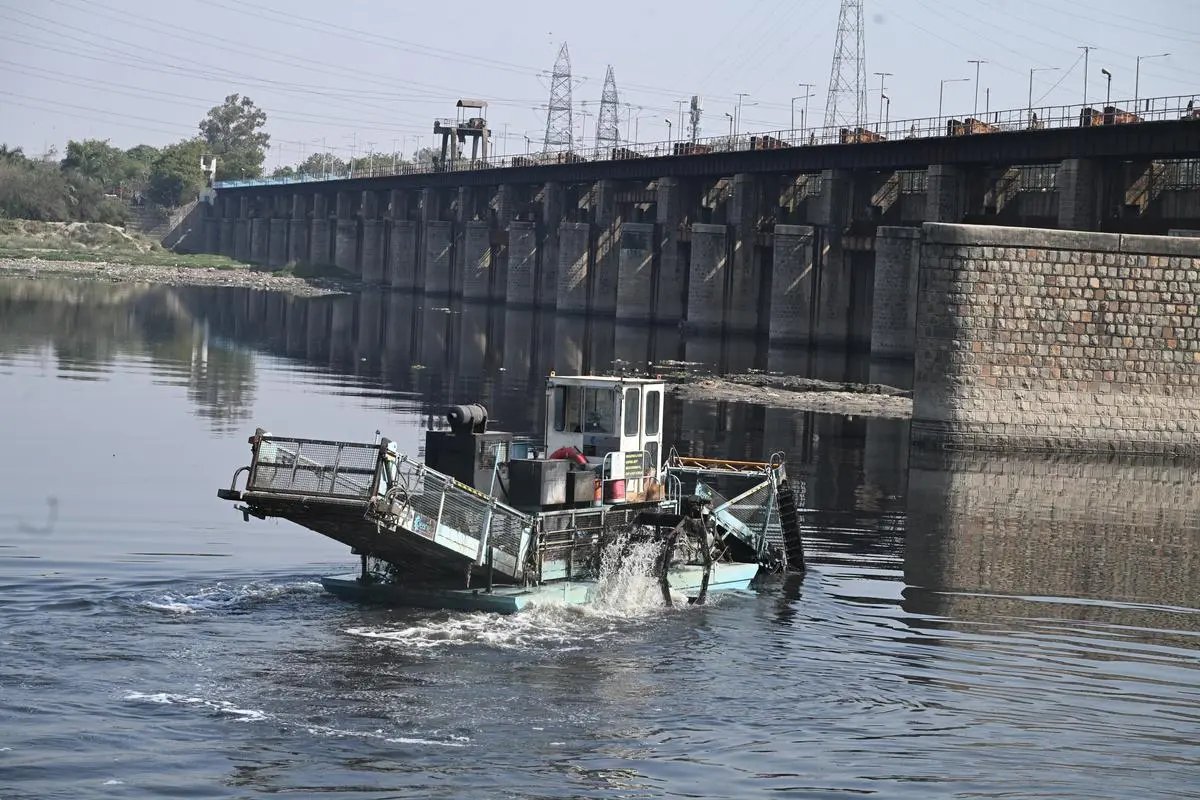
Delhi has outlined a large-scale environmental investment strategy for the coming financial year, directing substantial public spending toward river restoration, clean transport and pollution control infrastructure. The Delhi green budget for 2026–27 allocates more than ₹22,000 crore to projects designed to improve environmental conditions across the capital while supporting long-term climate resilience in one of India’s most densely populated urban regions. Officials overseeing the programme indicate that restoring the Yamuna River will receive the largest portion of the funding. More than ₹6,400 crore has been set aside to expand sewage treatment capacity, upgrade ageing facilities and intercept wastewater flows entering the river. Urban water experts say that reducing untreated sewage discharge is critical to improving the ecological health of the Yamuna, which continues to face severe pollution pressure from urban runoff and domestic waste.
Infrastructure agencies responsible for water management will use the funds to construct new treatment plants and modernise existing networks. Strengthening wastewater systems is widely seen as a foundational step in improving river quality, particularly in cities where population growth has outpaced sanitation infrastructure. Alongside river restoration, the Delhi green budget places strong emphasis on transforming the capital’s urban mobility system. Nearly ₹4,800 crore has been allocated to expand electric bus fleets, build charging infrastructure and improve feeder connectivity with the city’s rail networks. Transport planners say the shift towards electric public transport could significantly reduce emissions from road traffic, which remains one of the major contributors to Delhi’s air pollution. Authorities also plan to expand charging infrastructure for electric vehicles across the city. Over the next several years, thousands of charging points are expected to be installed to support the growing adoption of electric buses, taxis and shared mobility services. Air quality improvements are another major priority within the Delhi green budget framework.
The city’s public works agency has been assigned funding exceeding ₹3,000 crore for initiatives targeting road dust and construction-related pollution. These include mechanised sweeping, anti-smog equipment and improvements to road infrastructure aimed at reducing particulate emissions from traffic corridors. Urban planning departments will also play a role in coordinating environmental programmes across government agencies. Dedicated funds have been allocated to strengthen planning systems and ensure that projects designed to reduce pollution and improve sustainability are implemented efficiently. Additional resources are being directed towards renewable energy expansion, urban greening and water conservation initiatives. Programmes linked to solar power adoption, afforestation and improved drainage systems are expected to complement larger pollution-control measures. Urban development specialists say integrated environmental budgeting represents an emerging approach to managing sustainability challenges in major cities. By mapping expenditure across departments and linking spending to measurable outcomes, governments can track the effectiveness of climate and environmental investments more closely.
For Delhi, where challenges such as air pollution, river contamination and urban heat are closely interconnected, coordinated spending under the Delhi green budget could play a critical role in improving environmental quality while supporting more sustainable urban growth in the years ahead.