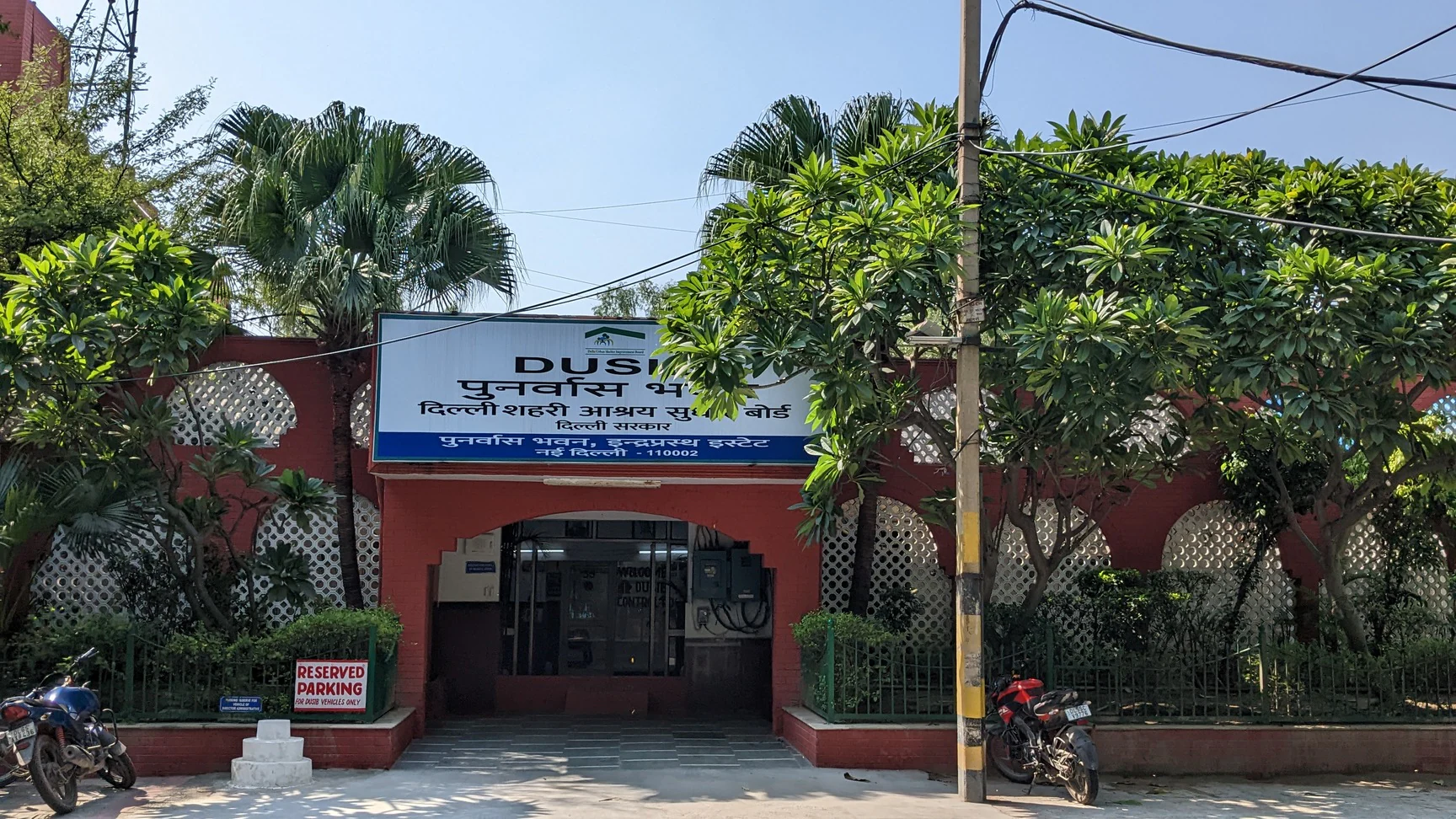
The Delhi government has set aside more than ₹100 crore to secure and demarcate land held by the city’s urban shelter authority, a move aimed at preventing encroachment while unlocking space for long-delayed welfare and public infrastructure projects across the capital.
According to officials familiar with the decision, the funding will be deployed to map and physically protect nearly 900 acres of land spread across multiple districts. The exercise includes digital identification of land parcels and the construction of boundary walls to clearly mark ownership. For city planners, the initiative addresses a structural gap that has slowed the delivery of shelter, sanitation, and community facilities in low-income neighbourhoods. Urban development officials say the absence of clearly protected land has historically forced several welfare projects into prolonged delays. In many cases, land earmarked for shelters or sanitation facilities was either encroached upon or lacked funds for basic safeguarding measures, rendering approved projects unviable. The latest allocation is expected to resolve these bottlenecks by ensuring that land assets remain accessible and legally defensible.
Once secured, the land will be prioritised for shelter-related infrastructure, while selected plots may also be integrated into wider public-use projects, including social amenities and neighbourhood services. Urban planners note that land certainty is a prerequisite for long-term investments in inclusive infrastructure, particularly in dense cities where public land is scarce and contested. As part of its current pipeline, the shelter authority is preparing to develop a new network of permanent night shelters and community sanitation complexes during the year. These facilities are designed to expand capacity for the urban homeless and improve access to hygiene infrastructure in informal settlements. Each proposed shelter is planned to accommodate several hundred occupants, significantly increasing coverage during extreme weather conditions.
Officials overseeing sanitation projects highlight that newer public convenience complexes are being redesigned to address longstanding gaps, including the lack of dedicated facilities for women. Improved lighting, water access, and safer layouts are also being factored in, aligning with broader goals of gender-sensitive urban design. Delhi already operates an extensive network of night shelters and community toilets, particularly within slum clusters and informal housing zones. However, experts argue that rising population pressures and climate stress—such as heatwaves and erratic rainfall—have exposed the limitations of existing infrastructure. Strengthening land security is seen as a foundational step toward scaling up these services sustainably.
The land protection initiative is part of a wider fiscal shift that has significantly increased budgetary support for shelter and slum improvement programmes. Recent allocations have prioritised basic infrastructure such as drains, footpaths, and sanitation systems, reflecting a growing emphasis on dignity, safety, and resilience in low-income urban areas. Urban policy analysts say the real test will lie in timely execution and coordination across departments. If implemented effectively, the strategy could accelerate stalled welfare projects, reduce land disputes, and create a more predictable pipeline for inclusive urban development—an outcome increasingly critical as Delhi balances growth with social equity and environmental responsibility.
Delhi Govt Secures Shelter Land For Welfare Expansion