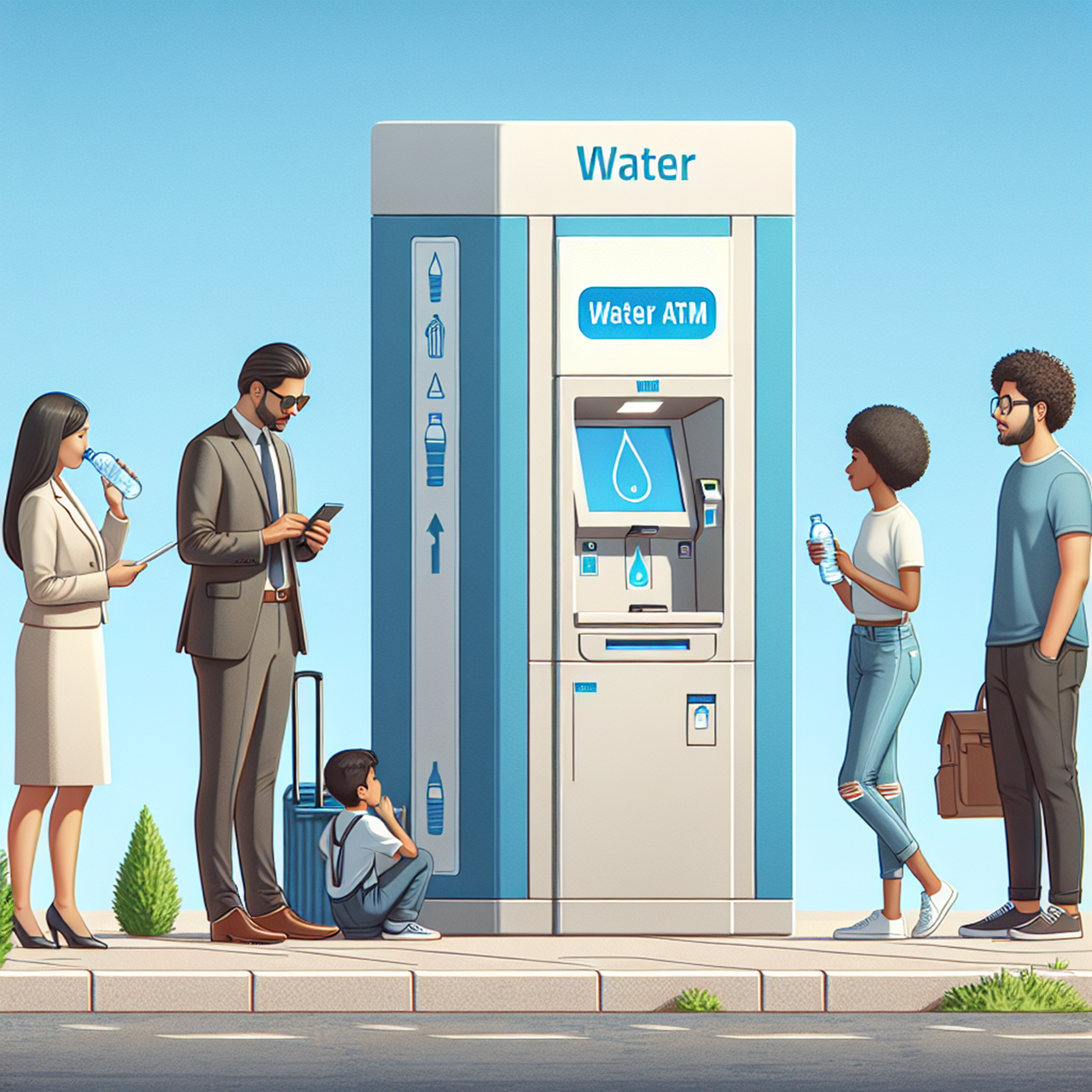
Delhi Government Proposes 3,000 Water ATMs to Provide Free Water Access
Delhi’s plan to enhance access to clean water through the installation of 3,000 water ATMs across the city is set to revolutionise how residents access this essential resource.
The initiative, proposed by the Delhi Jal Board, aims to provide free water to residents in key commercial areas, markets, and eventually underserved areas that lack piped water infrastructure. The proposal has already been submitted to the Delhi Cabinet, with a budget of Rs 210 crore allocated for the project, which is expected to streamline water distribution while ensuring equitable access for all. The decision to install 3,000 water ATMs comes in response to the growing demand for water across the national capital, which often struggles to meet the needs of its ever-expanding population. With a city of over 20 million residents, ensuring a consistent supply of potable water remains a challenge. The water ATM project seeks to address this gap by offering free access to water for all residents, particularly those living in areas that do not have reliable piped water connections.
The water ATMs will operate on a system where residents are provided with Radio Frequency Identification (RFID) cards. These cards will enable users to access up to 20,000 litres of free water each month, which is considered a reasonable amount for daily needs. If users exceed this monthly quota, they will be charged for the extra water used. This initiative not only aims to provide clean water but also encourages responsible water consumption by setting clear usage limits. The Delhi Jal Board’s proposal has already gained momentum, with discussions underway for the Cabinet’s approval of the necessary funds. An official familiar with the matter noted that while the final decision is yet to be made, the plan could significantly ease water access, particularly in high-density areas and places with inadequate infrastructure. Once approved, the rollout of the water ATMs will begin in phases, starting with key commercial areas and markets. After this, the focus will shift to other regions of the city, particularly those without reliable water pipelines.
The installation of these water ATMs aligns with the Delhi government’s broader push for improving urban infrastructure while making essential services more sustainable and accessible. The project is expected to serve as a model for other cities, blending technology with sustainability to address the water scarcity issues faced by urban populations. By incorporating RFID technology, the Delhi Jal Board aims to streamline water distribution and prevent misuse of the resources, ensuring that the water supply reaches those who need it most. Water ATM projects, while relatively new in India, are rapidly gaining traction as viable solutions to the complex problem of urban water management. Cities like Delhi, where water scarcity has been an ongoing issue, stand to benefit greatly from such initiatives. In fact, experts believe that similar projects in other cities could help achieve more equitable and sustainable water distribution, particularly in areas where infrastructure has struggled to keep up with urbanisation.
The larger vision behind the Delhi government’s initiative is to create a future where every citizen, regardless of their locality, has access to clean and safe drinking water. This is crucial in a city like Delhi, where access to basic services such as water is often determined by location, wealth, and infrastructure development. By ensuring that everyone has a chance to access water through the water ATMs, the government is taking a significant step towards eliminating inequality in public services. In addition to its social benefits, the initiative also supports environmental sustainability. The water ATM system is designed to optimise water distribution and reduce wastage, promoting more efficient use of this finite resource. By using technology to monitor consumption and manage access, the Delhi Jal Board will be better equipped to address issues such as water loss, leakage, and unaccounted-for water use.
Furthermore, this project is in line with the city’s broader goals of adopting innovative and eco-friendly solutions to tackle urban challenges. As the government focuses on creating a more sustainable urban environment, the integration of smart infrastructure such as water ATMs plays a crucial role in ensuring that essential services like water are not only provided efficiently but also in a manner that is sustainable in the long term. Once fully implemented, the water ATM network will have a significant impact on Delhi’s water distribution system. The project promises to reduce reliance on bottled water, improve access in underserved areas, and help tackle water scarcity by optimising resource use. Additionally, it could help reduce the environmental footprint of water distribution, contributing to the city’s goal of becoming a more sustainable and resilient metropolis.
In the coming months, as the proposal goes through the Cabinet approval process, residents across Delhi will be awaiting the positive news of an equitable and sustainable solution to their water needs. With its potential to provide water to millions while ensuring fairness and sustainability, the water ATM project represents a promising step forward for the city’s infrastructure and urban planning.