


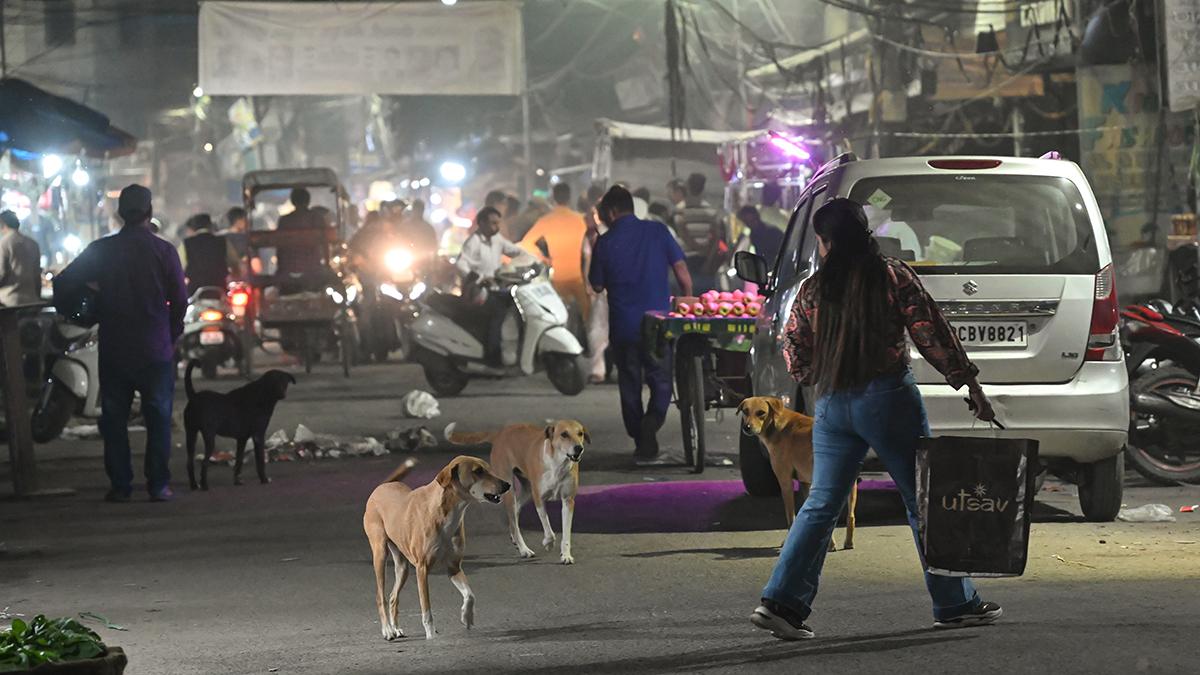
Delhi’s government is weighing a policy shift to tackle the growing threat of aggressive stray dogs in the city, as dog bite incidents continue to surge. A proposal to relocate habitually dangerous dogs to designated shelters has been floated, challenging the current legal framework which prohibits such actions under the Animal Birth Control (ABC) Rules, 2023.
The plan, discussed in a recent high-level meeting, would require a legal amendment to override the existing ABC guidelines and the Prevention of Cruelty to Animals Act, 1960, which mandates that sterilised and vaccinated dogs must be returned to the exact location they were picked up from. The rules have been reinforced by several judicial decisions, including those of the Supreme Court. Officials revealed that the new approach would involve isolating stray dogs considered to pose a consistent behavioural threat. These dogs would be relocated to dedicated shelters, to be constructed by the Municipal Corporation of Delhi (MCD), and kept under veterinary and behavioural supervision. Once rehabilitated, they may be released, subject to expert clearance, back into their home territories.
This marks a significant potential shift in urban animal management policy, prompted by sharp increases in dog bite reports across the capital. According to municipal records, 35,198 animal bite cases were reported in the first half of this year, along with 49 rabies cases, all registered at a single infectious disease hospital in the city. Despite the sterilisation of over 65,000 street dogs in the last six months, concerns persist about public safety and the effectiveness of the current control model. Presently, 20 sterilisation centres run by NGOs are operational, tasked with performing surgical sterilisation and administering anti-rabies vaccines.
Authorities say the proposal isn’t just about public safety, but also involves broader civic engagement. A government official said that any change in law or practice must involve consultations with animal welfare experts, citizens, and civil society organisations. The focus, they added, should be on creating an inclusive, humane, and scientifically guided approach that neither endangers the public nor disregards animal welfare. The MCD has already formed a subcommittee to review street dog management and streamline sterilisation efforts. An intensive sterilisation drive is also being planned in conjunction with the relocation policy, pending legal review. A public platform is also under development to foster collaboration between residents, civic bodies, and animal caregivers.
While legal reform is complex and likely to invite scrutiny from animal rights groups, the growing number of bite cases may push Delhi to set a precedent in urban stray dog management. Whether this initiative becomes a blueprint for other Indian cities or stirs legal opposition remains to be seen, but the government appears determined to seek a balanced solution.
Also Read : India Commissions First 1MW Green Hydrogen Facility at Deendayal Port
