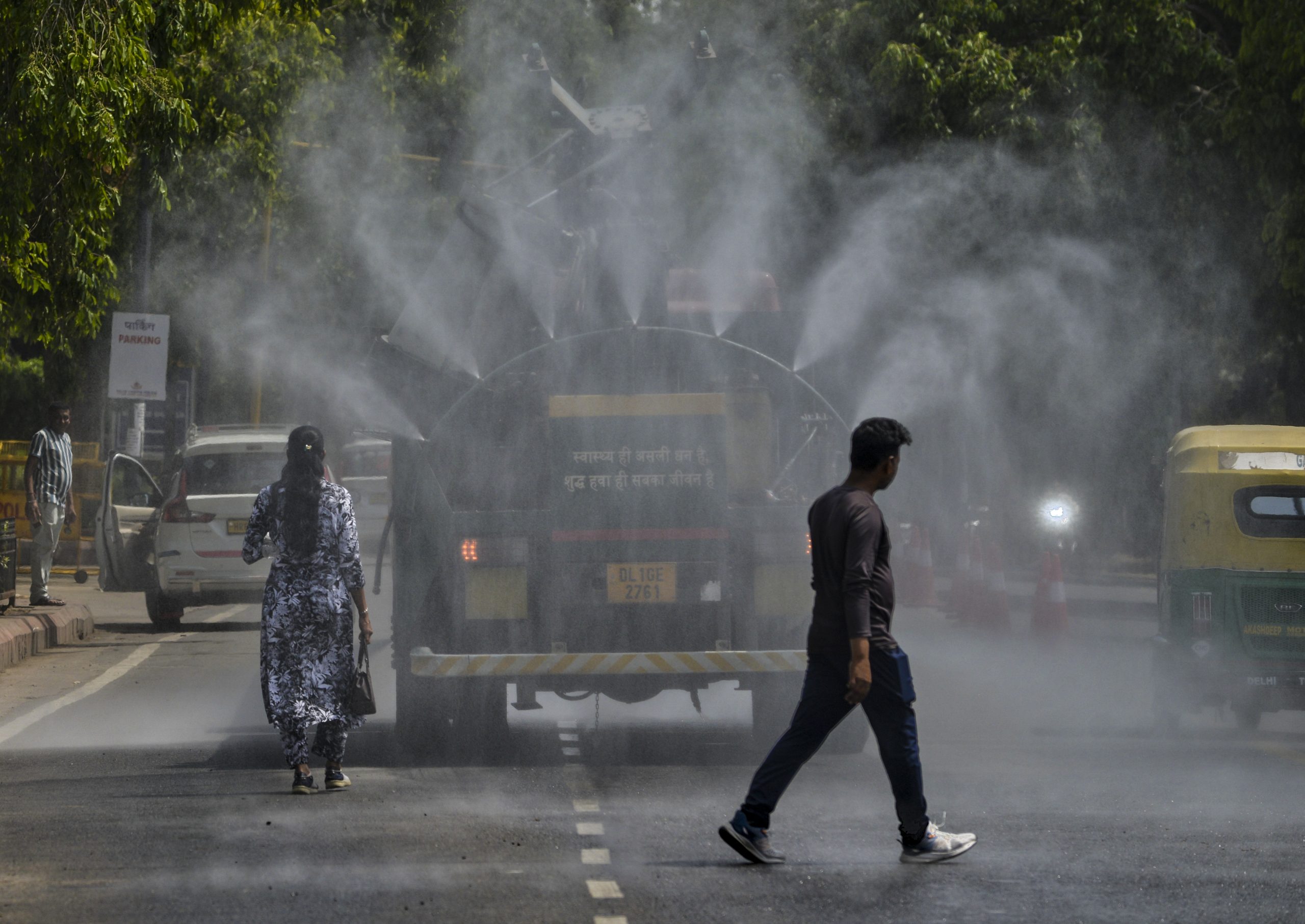
The Delhi government has sanctioned a one-time ₹500 crore financial infusion to the Municipal Corporation of Delhi (MCD) to strengthen pollution mitigation and urban sanitation measures, marking one of the city’s largest recent municipal investments aimed at improving air quality. The allocation, combined with a planned annual operational support commitment, reflects a growing recognition that air pollution is not only an environmental issue but a structural urban governance challenge with economic and public health consequences.
According to senior officials familiar with the decision, the funding is intended to accelerate deployment of mechanised road-cleaning systems, dust suppression infrastructure, and waste management upgrades across high-density zones. Construction dust and resuspended road particulate matter remain among the largest contributors to Delhi’s particulate pollution outside peak winter months, making municipal operations a critical front in the city’s air quality strategy.
Urban planners note that the funding signals a shift towards treating pollution control as core civic infrastructure rather than an episodic emergency response. Municipal agencies, which have often cited financial constraints in maintaining sanitation fleets and monitoring systems, are expected to prioritise modern equipment procurement, improved street-level maintenance, and tighter enforcement of local environmental norms.
The funding decision follows renewed coordination between the Delhi government and central environmental authorities, with a sharper focus on transport emissions, industrial compliance, and traffic bottlenecks. Officials involved in inter-governmental consultations highlighted that congestion at identified urban choke points significantly amplifies vehicular emissions, reinforcing the need for smarter traffic flow management alongside cleaner vehicles. Regulatory enforcement is also tightening. Central pollution regulators have flagged a large number of industrial units for failing to install continuous emission monitoring systems, with enforcement action expected to intensify. Urban policy experts argue that municipal and regulatory efforts must converge, as weak enforcement in industrial and peri-urban clusters often undermines city-level pollution control gains.
For residents, particularly those in lower-income neighbourhoods located near arterial roads, landfills, or industrial zones, municipal action on dust and waste has direct health implications. Public health studies consistently link chronic exposure to fine particulate matter with respiratory illness, reduced labour productivity, and increased healthcare costs impacts that disproportionately affect informal workers and children.
The Delhi pollution funding also has implications for real estate and urban investment. Cleaner neighbourhoods, improved street conditions, and predictable enforcement regimes influence housing demand, commercial activity, and long-term land values. Developers and investors increasingly factor environmental performance into project viability, especially as regulatory scrutiny and citizen awareness rise. While the effectiveness of the funding will depend on execution, monitoring, and transparency, urban governance specialists stress that sustained municipal capacity not one-off announcements will determine outcomes. As Delhi prepares for future climate stresses, integrating pollution control into everyday civic operations may prove as important as technological fixes in building a healthier, more resilient city.
Delhi Funds Municipal Push Against Urban Pollution