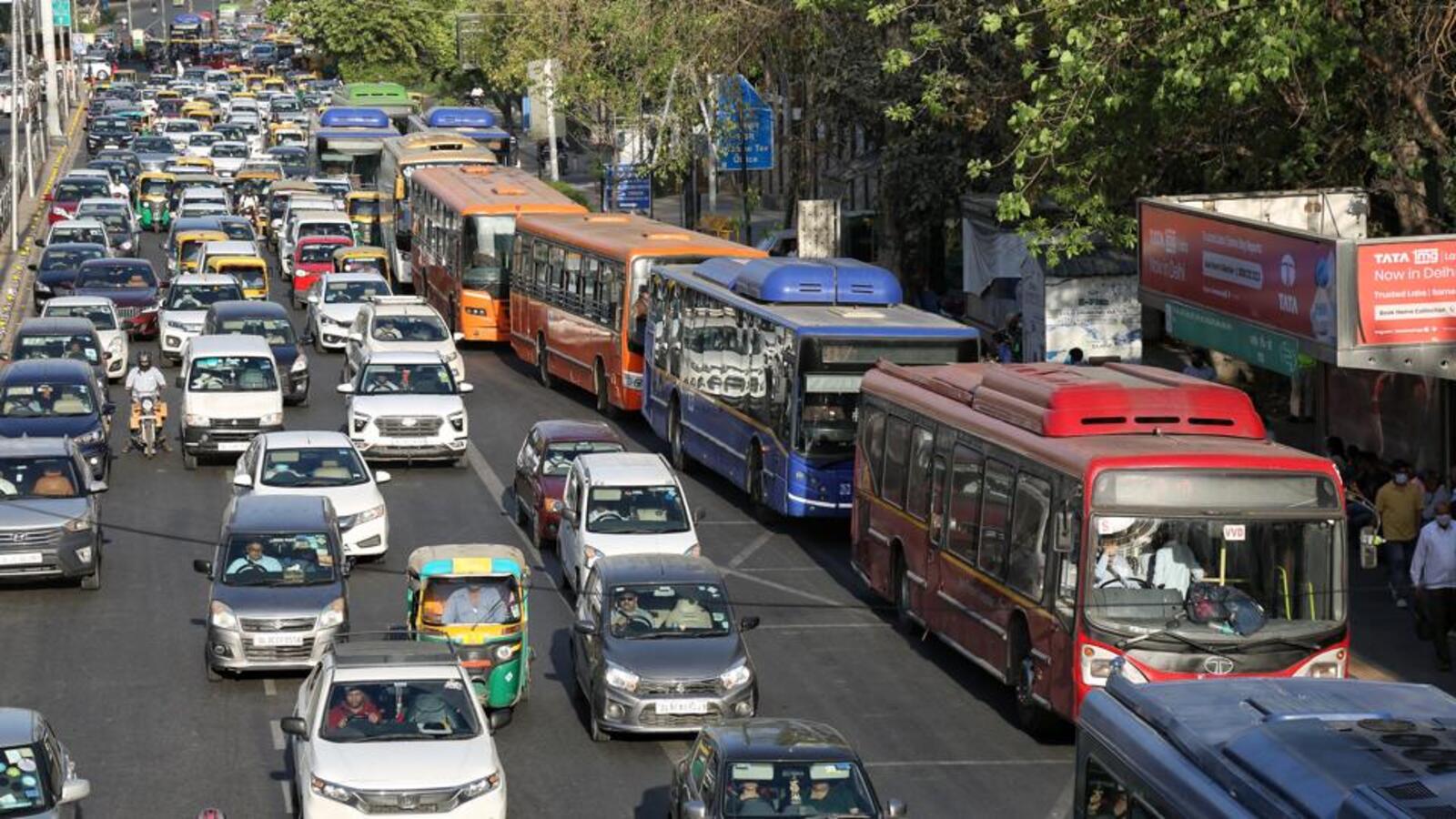
Delhi Forms Unified Transport Body to Tackle Traffic Chaos
The Delhi government has cleared the establishment of a Unified Metropolitan Transport Authority (UMTA), which will act as the central coordinating body for all public transport and traffic planning in the National Capital Region. The move aims to reduce chronic congestion, end departmental overlaps, and create an integrated, commuter-friendly transportation system.
UMTA will bring together key agencies including the Delhi Transport Department, Delhi Metro Rail Corporation (DMRC), Rapid Regional Transport System (RRTS), and other stakeholders like the Delhi Pollution Control Board, traffic police, and urban development departments. Officials confirmed that the authority will not require cabinet approval and that a task force comprising representatives from these departments has already been initiated.
Currently, urban transport in Delhi is fragmented, with multiple agencies operating in silos—leading to poor coordination, duplicated efforts, and delayed project execution. The proposed UMTA will centralise responsibilities for transport planning, funding, and project implementation, while also improving communication across departments.
Delhi’s establishment of the Unified Metropolitan Transport Authority (UMTA) is a landmark reform aimed at overhauling the capital’s fractured mobility system. By integrating planning across metro, RRTS, buses, and suburban rail, UMTA seeks to eliminate duplication, align infrastructure timelines, and improve commuter convenience. Officials expect it to become the single nodal agency for traffic decongestion, project implementation, and sustainable urban transport planning.
UMTA’s formation follows prolonged delays in projects like Metro Phase IV due to agency-level standoffs and poor coordination. Experts have welcomed the move, noting that Delhi’s transport network—run by different agencies—needs unified planning to tackle rising congestion and air pollution. With powers to align funding, operations, and route synchronisation, UMTA also has a responsibility to address road safety, last-mile gaps, and public transport adoption citywide.
As Delhi rapidly expands its urban mobility infrastructure, the success of UMTA will hinge on its ability to act beyond coordination—prioritising commuter needs, environmental sustainability, and long-term planning. With a mandate that spans both state and central departments, UMTA could become a national model for integrated transport governance.