Delhi Forest Divisions Reorganised For Ridge Management
The Delhi government has restructured the administrative boundaries of its forest management units following the creation of two additional districts, in a move aimed at improving oversight of the capital’s ecologically sensitive Ridge landscape. The revised structure of the Delhi forest divisions seeks to bring fragmented green zones under clearer administrative control, enabling quicker response to conservation challenges and strengthening protection of the city’s remaining natural forests. Through a recently issued government notification, the territorial jurisdiction of the capital’s four Delhi forest divisions—Central, North, West and South—has been redrawn with immediate effect. Officials involved in the restructuring say the change is intended to remove overlaps that previously placed sections of the Delhi Ridge under multiple administrative units, a situation that often complicated enforcement and field operations.
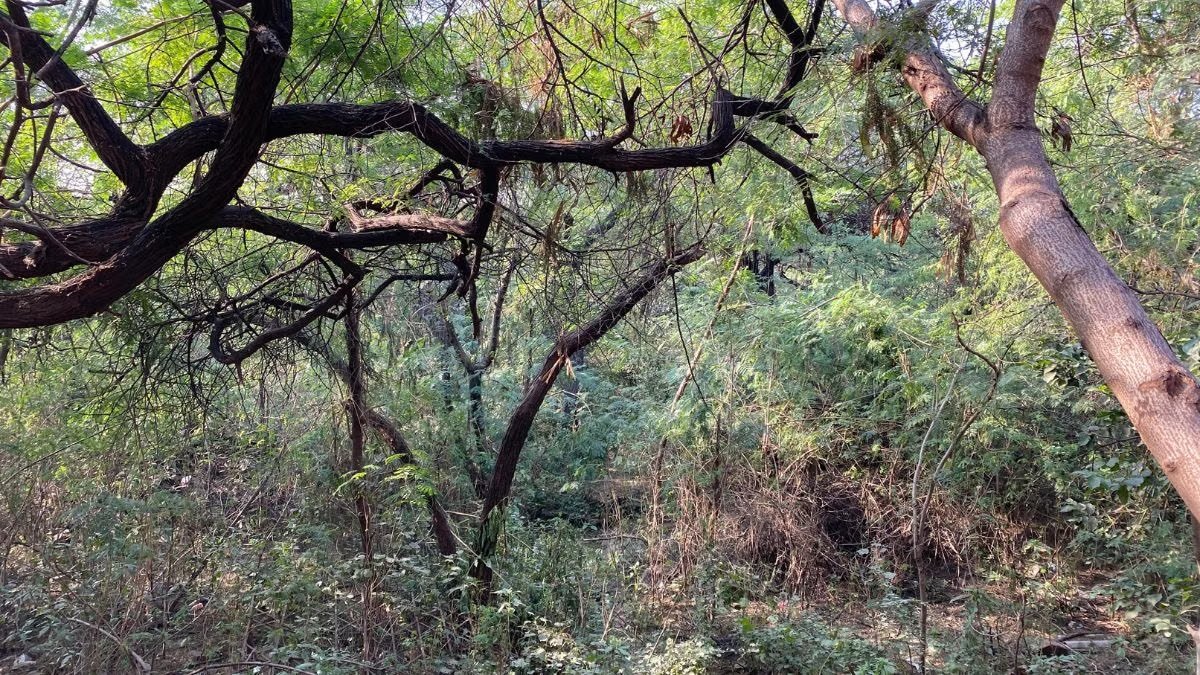
The Delhi Ridge, part of the ancient Aravalli hill system, functions as one of the city’s most critical ecological buffers. It plays a key role in regulating microclimates, reducing dust pollution and supporting biodiversity in a densely urbanised region. Urban ecologists have long warned that fragmented governance structures can weaken the effectiveness of conservation measures in such environmentally significant landscapes. Under the revised administrative layout, stretches of the Ridge that were earlier managed by more than one forest division will now fall under single jurisdictions. Officials say this consolidation will allow forest staff to address issues such as illegal tree cutting, wildlife distress calls and encroachment more efficiently by eliminating cross-division coordination delays. The restructuring also aligns forest management zones more closely with the capital’s updated district boundaries. In 2025, the city administration expanded the number of districts from 11 to 13 as part of a broader effort to improve governance and service delivery across the rapidly growing metropolis.
Environmental administrators say synchronising the Delhi forest divisions with the revised district framework will help streamline the deployment of field teams, reduce travel time for officers and ensure faster action on citizen complaints related to tree protection or wildlife sightings. The realignment assigns different clusters of neighbourhoods and administrative areas to each forest division. Central division will oversee several localities in eastern and north-eastern parts of the city, while the North division will manage large parts of outer and north-west Delhi. The West division now covers areas in New Delhi and parts of central and south-west zones, while the South division will supervise extensive green areas and residential neighbourhoods in the southern and south-eastern parts of the capital. Urban planning experts say such administrative adjustments are becoming increasingly important as Indian cities expand. Green belts and forested corridors within metropolitan regions require coordinated governance structures that allow faster decision-making and consistent monitoring. Delhi’s forest administration currently operates through divisional units led by senior forestry officers who also serve as designated authorities for tree protection. Earlier organisational arrangements sometimes required officers to manage territories spread across distant parts of the city, creating operational constraints.
By refining jurisdictional boundaries, authorities aim to strengthen on-ground conservation capacity while improving the management of urban forests that act as vital climate buffers. As Delhi continues to grow, maintaining the health of the Ridge and other green spaces will remain central to building a resilient, liveable and environmentally balanced capital.