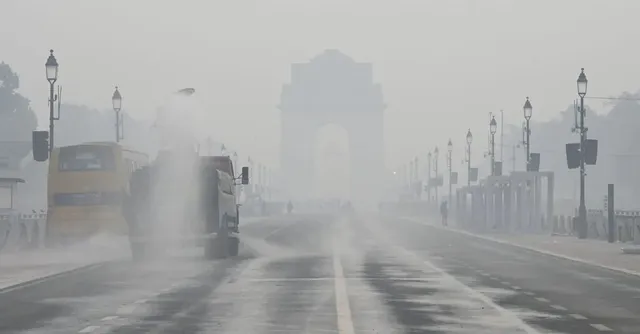
Delhi’s meteorological outlook has shifted as forecasts indicate a brief spell of light rain could start this weekend and persist into early next week. The development comes amid fluctuating winter temperatures and serves as a reminder of how seasonal climate variability interacts with urban living conditions and air quality dynamics in the capital.
Forecasters have issued a moderate warning for light rainfall over the next several days, a rare mid-winter occurrence for the region. Maximum daytime temperatures are expected to reach the low 20s Celsius, while overnight lows remain close to single digits typical of the city’s late January climate pattern. For residents, intermittent rain can offer temporary relief from stagnant air but also brings concerns around commuting disruptions and fog-related visibility issues.
Urban climate analysts point out that even light precipitation can influence particulate matter levels in densely built environments. Rain can help clear suspended pollutants from the air, potentially alleviating respiratory stress in areas where vehicular emissions and construction dust accumulate.
However, the overall impact depends on intensity and duration; scattered showers may not be sufficient to significantly reduce pollution without sustained rainfall.
The forecast anticipates scattered thunderstorms, lightning and winds reaching up to 40 km/h from the weekend into early next week. Such conditions can affect outdoor activities, construction schedules and traffic flow. Particulate matter levels and weather patterns are also linked to fog formation during early mornings, which local authorities typically monitor for road safety and transport regulation.
In addition to imminent weather changes in Delhi, dense fog is also expected across parts of northern India including neighbouring states. This broader regional pattern arises from cool air masses settling over the plains, trapping moisture and emissions close to the ground. Transport planners and health officials closely track these conditions as they can exacerbate both road safety risks and air quality challenges for commuters. Climate resilience experts note that shifting winter weather patterns are consistent with broader climatic variability observed across India. While long-term warming trends persist globally, mid-season rain events and temperature fluctuations are becoming more frequent. Urban planners emphasise the importance of integrating climate projections into city infrastructure planning, from stormwater drains capable of handling sudden rain to alert systems that inform residents about deteriorating air quality combined with fog hazards.
For residents, the upcoming wet spell underscores the need to stay informed through reliable weather services and to plan travel accordingly. For school administrators and employers, variable conditions suggest flexibility may be required in attendance planning and outdoor scheduling. Meanwhile, municipal authorities will monitor drainage systems to mitigate puddling and localized flooding where drainage networks are under strain. Looking ahead, the intersection of weather dynamics with urban air quality and mobility points to the value of resilient infrastructure and integrated forecasting. As cities grow, harmonising environmental data with transport, health and land-use planning will be central to improving liveability, even as climate patterns continue to evolve.
Delhi Forecast Highlights Rainfall And Fog Concerns