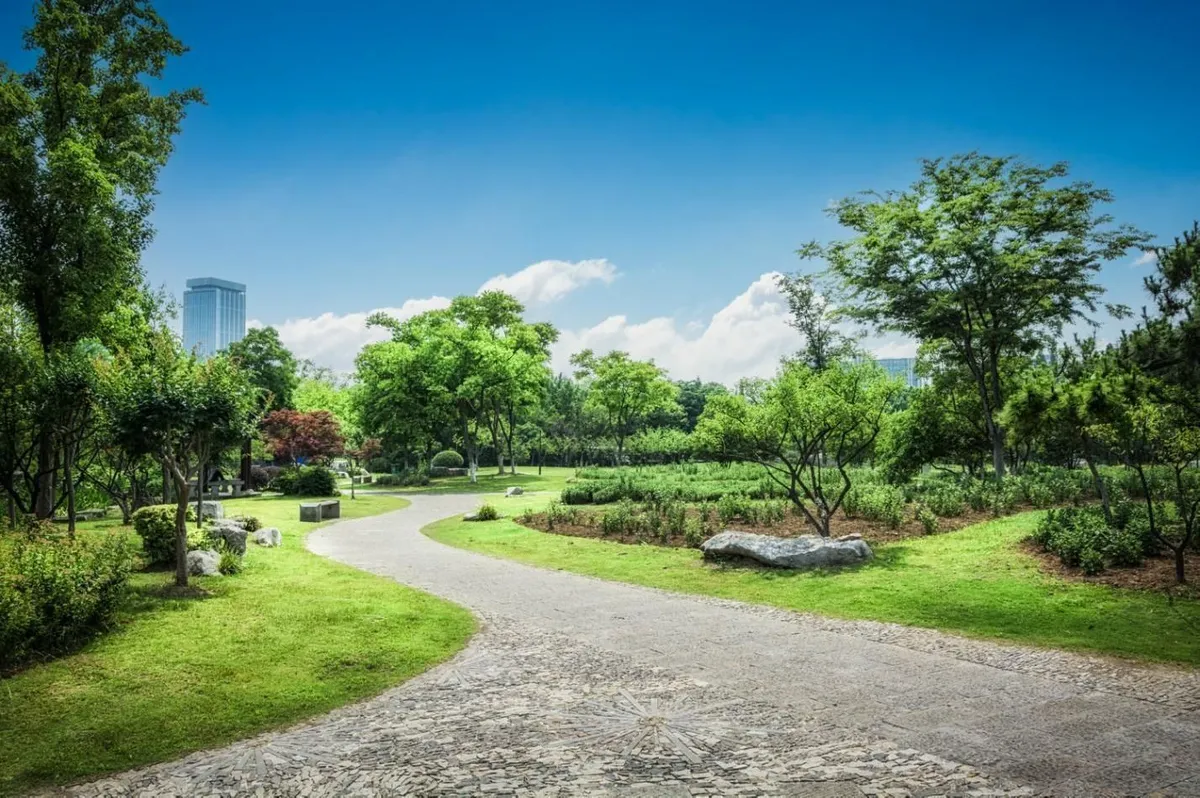
Delhi is scaling up its ecological restoration efforts with a renewed push towards urban biodiversity, setting an ambitious plantation target for the next two years. The initiative forms part of a broader strategy to strengthen green cover, improve air quality, and build climate resilience in one of India’s most densely populated urban regions. The city’s forest authorities have outlined a multi-year plantation roadmap that emphasises not just the number of trees planted but the quality and sustainability of green spaces. The approach marks a shift from conventional plantation drives towards scientifically designed ecosystems that can thrive within constrained urban environments.
A key component of this strategy is the adoption of a canopy management technique aimed at improving the survival rate of new saplings. By selectively thinning dense tree cover, planners seek to allow sunlight to reach the forest floor, creating favourable conditions for new growth. Experts suggest that such interventions are critical in urban forests, where overcrowding can limit biodiversity and hinder regeneration. The plan also incorporates a layered plantation model to enhance urban biodiversity at multiple ecological levels. Taller native tree species are expected to form the upper canopy, while mid-level vegetation such as shrubs will act as natural filters for dust and pollutants. Ground-level grasses and smaller plants will contribute to soil stability, moisture retention, and microclimate regulation. Together, this structure aims to create self-sustaining green zones rather than fragmented patches of vegetation. Urban ecologists highlight that biodiversity-focused planting can deliver long-term environmental benefits beyond carbon absorption. Diverse plant systems are more resilient to climate variability, pests, and diseases, making them better suited to withstand the pressures of urbanisation. In addition, they support local wildlife, including birds and pollinators, which are essential for maintaining ecological balance.
The initiative is supported by improved monitoring mechanisms, including digital tracking systems and independent verification processes. These tools are expected to enhance accountability and ensure that plantation targets translate into measurable ecological outcomes. Data-driven monitoring also enables authorities to assess survival rates, species diversity, and the overall health of planted areas over time. From a city planning perspective, the emphasis on urban biodiversity aligns with global trends in sustainable development, where green infrastructure is integrated into urban design. Such efforts can influence real estate values, as access to well-maintained green spaces increasingly shapes residential preferences and quality of life indicators. However, experts caution that achieving long-term success will depend on maintenance, community participation, and protection of existing green assets. Encroachments, pollution, and water scarcity continue to pose challenges to urban forestry initiatives.
As Delhi advances its green agenda, the effectiveness of this strategy will be measured not only by plantation numbers but by the creation of resilient, interconnected ecosystems. The coming years will reveal how well the city can balance rapid urban growth with the need to preserve and enhance its natural environment.