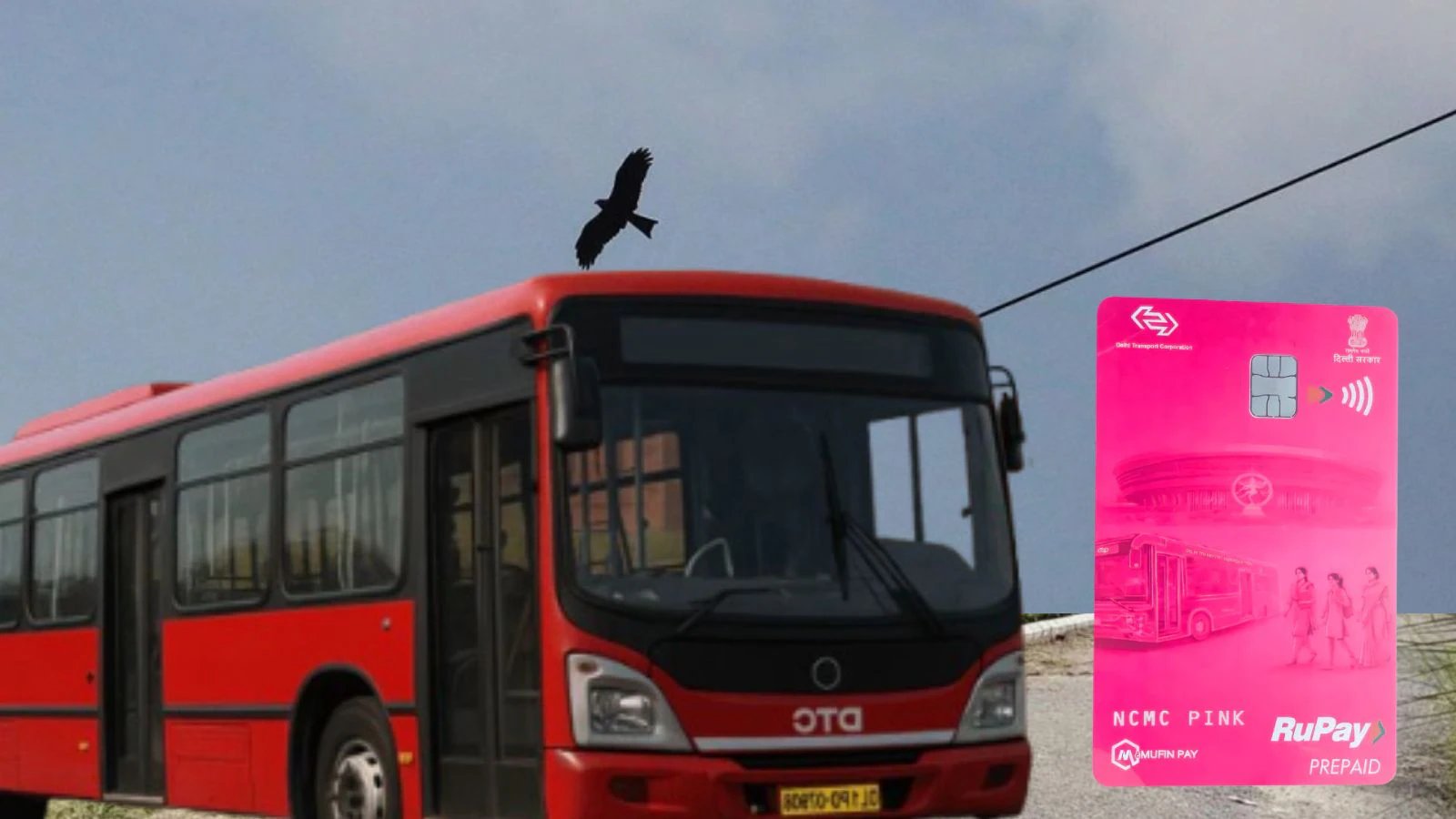
Delhi Expands Smart Card System For Women Bus Travel
Delhi’s public transport authorities have begun transitioning towards a smart card–based system for women commuters while confirming that the existing paper ticket mechanism for free bus travel will remain valid during the rollout period. Officials say the gradual shift is intended to modernise fare management while ensuring that eligible passengers continue to access mobility benefits without disruption. The transition centres on the introduction of the Pink Saheli Card, a digital travel card designed to streamline free bus travel for women residents of the capital. Transport officials indicated that women who have not yet received the card can continue to use the current pink ticket system until distribution is completed.
The Pink Saheli Card initiative represents an effort to integrate concessionary travel schemes into a more structured digital ticketing platform. Urban mobility experts say smart cards reduce operational complexity by replacing manual ticketing with electronic verification systems that allow better tracking of ridership patterns and subsidy management. Authorities have emphasised that the rollout will take place in stages rather than through an immediate replacement of the paper-based system. The approach is intended to prevent congestion at collection centres and ensure that the transition remains accessible to all eligible users. Public transport specialists note that concession programmes for women commuters have become an important component of inclusive mobility policies in several cities. Reduced travel costs can improve access to employment, education and essential services, particularly in metropolitan regions where daily commuting expenses can form a significant part of household budgets. The Pink Saheli Card is also expected to support integration with India’s broader digital mobility ecosystem. Designed to function within the National Common Mobility Card framework, the card can enable commuters to access multiple modes of public transport through a single payment instrument.
Officials involved in the programme say that once distribution reaches a substantial portion of beneficiaries, the system may gradually replace paper-based travel passes. Until then, women passengers are being encouraged to collect the cards at designated distribution counters established across the city. Urban transport planners say integrated ticketing systems are becoming increasingly important as cities attempt to connect bus services with metro networks, regional rail systems and other forms of mass transit. A unified card platform allows passengers to switch between transport modes without purchasing separate tickets. The move also aligns with the capital’s broader efforts to modernise its public transport infrastructure. Alongside fare system upgrades, authorities are expanding the electric bus fleet and strengthening last-mile connectivity to improve accessibility across neighbourhoods. Digital mobility tools such as the Pink Saheli Card could play a significant role in these plans by linking fare collection with wider transit management systems. Data generated through smart card usage can help transport planners understand travel demand patterns, improve route planning and allocate resources more effectively.
As the transition continues, transport officials say the focus will remain on ensuring that women commuters experience a seamless shift from the traditional ticketing system to a digital travel platform without disruption to their daily journeys.