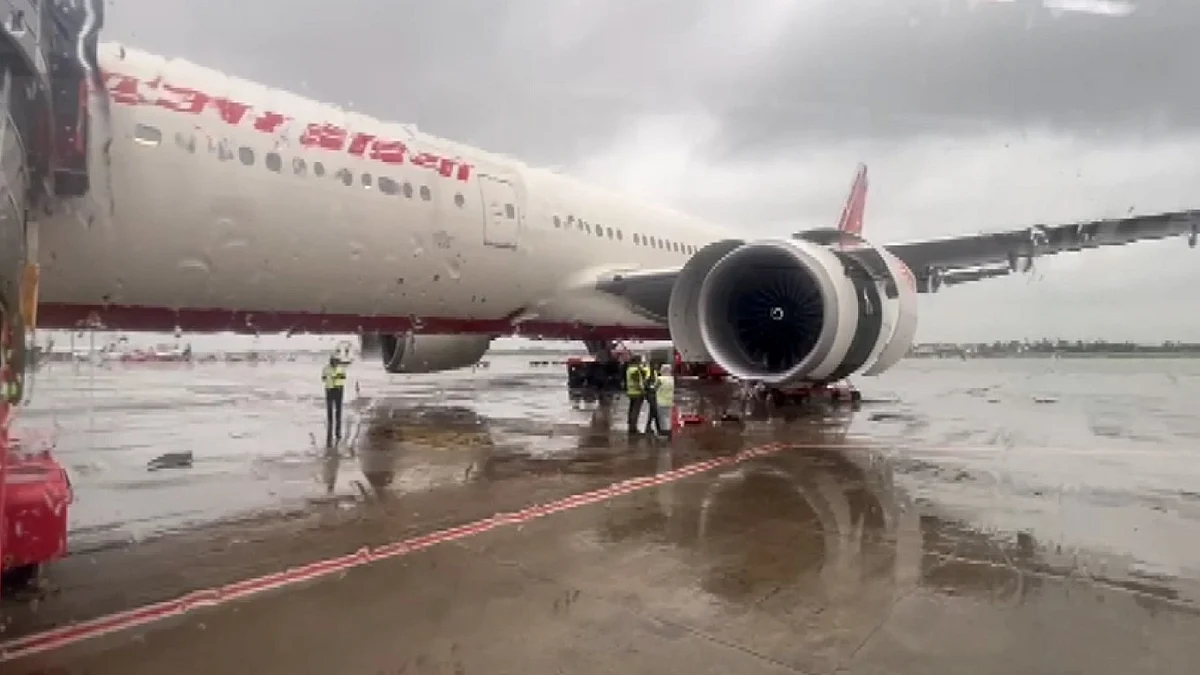
Air India will discontinue its non-stop services from Mumbai and Bengaluru to San Francisco from March 2026, marking a significant recalibration of India–US air connectivity. The move reflects mounting operational pressures, including higher fuel costs and extended flight times caused by airspace restrictions, while reinforcing New Delhi’s role as the airline’s primary long-haul hub.
For travellers and cities alike, the decision reshapes access to global mobility at a time when efficient, low-emission transport is increasingly central to urban competitiveness. According to airline officials, the withdrawal of the Mumbai–San Francisco and Bengaluru–San Francisco routes is part of a broader network optimisation aimed at deploying aircraft more efficiently. Rather than maintaining multiple ultra-long-haul services, Air India plans to consolidate demand through Delhi, where infrastructure, crew availability and maintenance capacity offer stronger economies of scale.
Under the revised schedule, frequencies on the Delhi–San Francisco corridor will rise to ten flights a week, up from seven, while services between Delhi and Toronto will also increase. Industry experts say this strategy allows the airline to absorb displaced passengers while limiting financial exposure from rising costs linked to longer detours around restricted airspace. For Mumbai and Bengaluru, both global business centres with deep technology and financial ties to the US West Coast, the loss of direct flights is more than a scheduling inconvenience. Direct connectivity plays a quiet but powerful role in shaping investment flows, talent mobility and the carbon footprint of international travel. Additional stopovers, while operationally necessary, often translate into longer journey times and higher per-passenger emissions.
Airline officials have confirmed that affected passengers will be offered alternative routings or full refunds, and have indicated that non-stop services from Mumbai and Bengaluru could be reconsidered if airspace constraints ease. However, analysts caution that reinstatement will depend on aircraft availability and sustained demand in a highly competitive long-haul market. The decision follows other recent adjustments to Air India’s international network, including the suspension of select North American routes due to fleet upgrades and geopolitical constraints.
Collectively, these changes underline the fragility of global aviation planning amid geopolitical uncertainty and the urgent need for resilient, sustainable transport systems. As India’s cities pursue inclusive growth and lower-carbon futures, the episode highlights the importance of aligning aviation strategy with urban development goals. Strengthening multimodal access to major hubs, investing in cleaner aircraft technology and ensuring equitable connectivity across regions will be critical as India navigates its expanding role in global travel.
Delhi Expands Flights As Air India Scraps Mumbai San Francisco Routes Nonstop