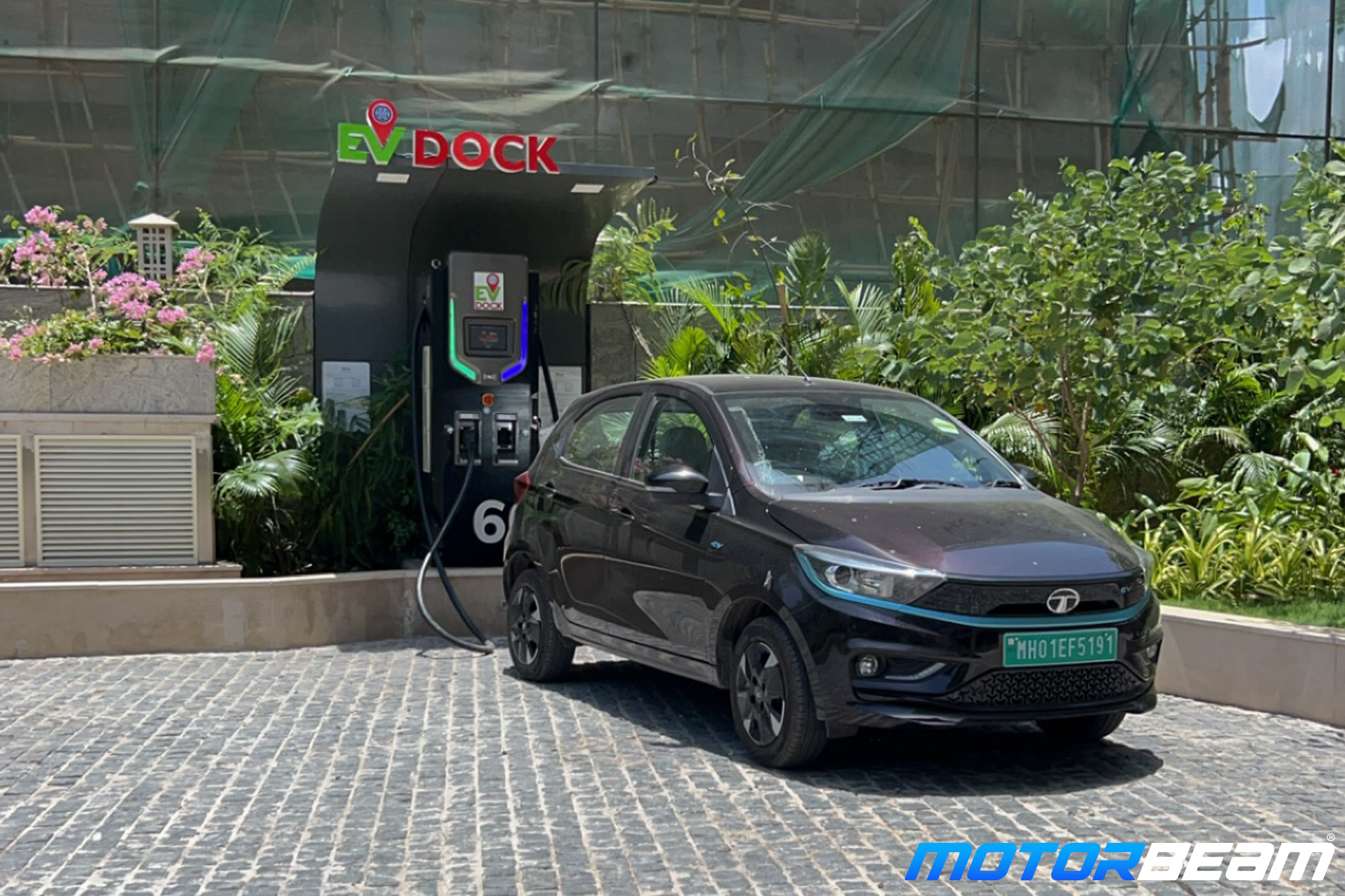
The Delhi government is preparing a regulatory overhaul that could significantly reshape urban mobility in the national capital, with plans to permit privately owned electric vehicles to operate as shared taxis. The proposed shift, discussed this week with vehicle manufacturers and ride-hailing platforms, signals a strategic attempt to reduce congestion, curb emissions, and accelerate the transition to cleaner transport in one of the world’s most polluted urban regions.
Senior officials indicated that the administration is examining amendments to existing transport rules to enable private electric cars to be onboarded by aggregators for shared mobility services. If implemented, the move would blur the traditional distinction between private and commercial vehicles, potentially unlocking a new supply of electric taxis without adding to overall vehicle numbers on city roads. Urban planners say this could help Delhi extract greater value from its existing vehicle stock while advancing climate and public health goals.
The discussions brought together policymakers, automobile manufacturers, and app-based mobility companies, reflecting a coordinated approach to transport reform. Industry representatives highlighted that wider adoption of electric vehicles will depend not only on incentives but also on practical enablers such as charging infrastructure, predictable regulations, and pricing that appeals to middle-income commuters. Officials acknowledged these concerns and outlined a willingness to support infrastructure expansion, including allocating land for charging hubs. At the same time, the government stressed that private-sector participation must align with sustainability safeguards. Companies were encouraged to explore renewable energy-based charging solutions and take responsibility for battery lifecycle management, a growing concern as EV volumes rise. Environmental economists note that without proper waste handling, the benefits of electrification could be undermined by new pollution streams.
For ride-hailing platforms, the proposed rule changes open opportunities to scale shared rides, women-led taxi services, and last-mile integration. Aggregators have expressed readiness to pilot shared electric taxis and onboard compliant private EVs, subject to regulatory clarity and strict passenger safety norms. Transport experts believe shared electric mobility could lower per-capita emissions while improving affordability, particularly for daily commuters.The policy rethink also has implications for Delhi’s real estate and infrastructure landscape. Increased reliance on shared transport could ease pressure on parking demand in dense neighbourhoods, influence transit-oriented development, and support more people-centric street design. Meanwhile, manufacturers have been asked to present supply roadmaps and pricing strategies to ensure electric models are available across segments, not limited to premium buyers.
Despite the optimism, analysts caution that execution will be key. Clear enforcement mechanisms, data-sharing protocols, and safeguards against misuse of private vehicle permits will be essential to maintain trust and avoid regulatory arbitrage. Coordination with neighbouring NCR states will also matter, given the region’s integrated travel patterns. As Delhi continues to battle chronic air pollution, the proposed reforms reflect a shift from short-term restrictions to structural transport change. By combining shared mobility, electrification, and regulatory flexibility, the city is testing whether cleaner, more inclusive urban movement can be scaled without compromising safety or economic opportunity. The coming months, as pilot projects and rule changes take shape, will determine whether this model can deliver durable gains for Delhi’s air quality and everyday mobility.
Delhi EV Policy Shift Targets Shared Transport