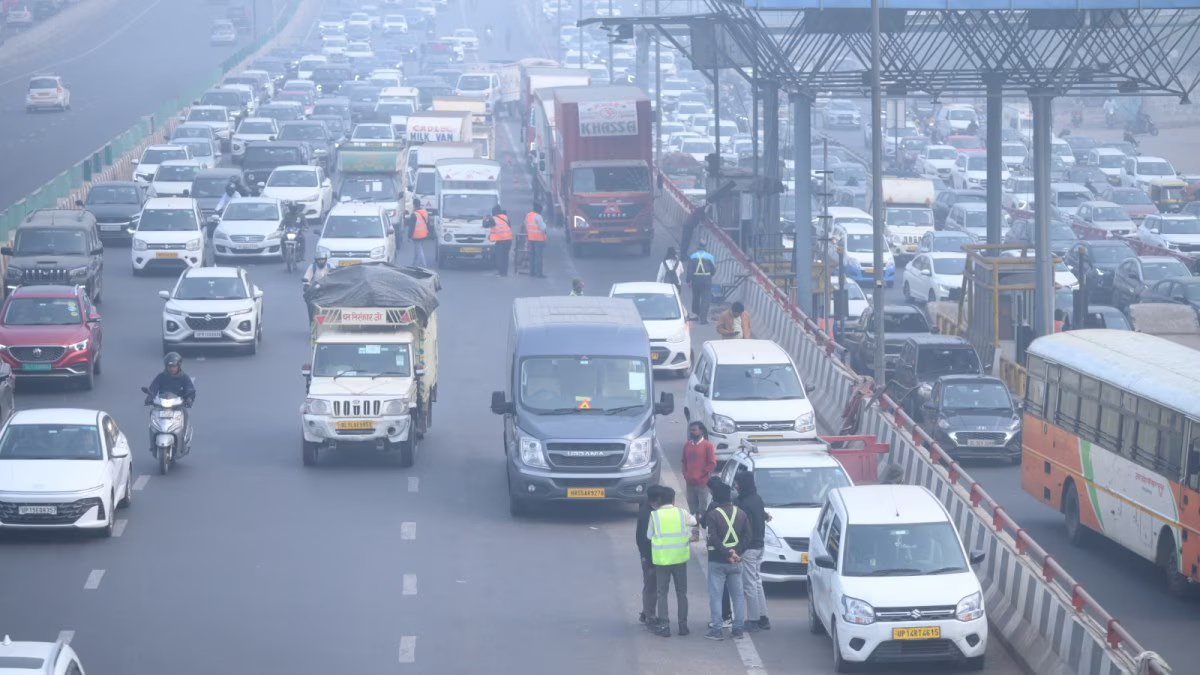
Delhi is preparing to roll out a revised electric mobility framework that places vehicle scrappage at the center of its transition strategy, signalling a shift in how public funds are used to accelerate cleaner transport. The proposed Delhi EV Policy introduces a targeted incentive structure aimed at phasing out ageing, high-emission vehicles while encouraging adoption of electric alternatives across the capital. The policy earmarks a dedicated financial outlay to support the scrapping of older internal combustion engine vehicles, particularly in segments known to contribute significantly to urban air pollution. These include ageing two-wheelers and commercial fleets, which form a substantial share of daily traffic and emissions load. By linking incentives directly to the retirement of such vehicles, policymakers are attempting to align environmental gains with fiscal spending.
Unlike earlier frameworks that broadly subsidized electric vehicle purchases, the evolving Delhi EV Policy adopts a more outcome-driven approach. Incentives are expected to be conditional, offered primarily to individuals or businesses replacing decommissioned vehicles with electric models. This recalibration reflects a growing emphasis on measurable impact—reducing emissions at source rather than simply increasing EV registrations. Urban mobility experts view the shift as a strategic move towards a circular and resource-efficient transport ecosystem. Scrappage not only reduces the number of polluting vehicles on the road but also supports material recovery and recycling, which are critical for sustainable manufacturing. At the same time, the policy is expected to stimulate demand across the EV value chain, including vehicle manufacturers, battery suppliers, and charging infrastructure providers. The timing of the policy is significant. Delhi continues to grapple with high particulate pollution levels, with vehicular emissions identified as a major contributor.
By prioritizing the removal of end-of-life vehicles, the government is addressing a key gap in previous clean mobility efforts, where older vehicles remained in circulation despite the availability of cleaner alternatives. From an economic standpoint, the policy could reshape market dynamics. Targeted incentives may improve the efficiency of public expenditure while encouraging more responsible consumer behaviour. Fleet operators, in particular, stand to benefit from structured support for upgrading to electric mobility, potentially reducing long-term operating costs and exposure to fuel price volatility. However, industry observers caution that the success of the initiative will depend on implementation clarity. Key aspects such as eligibility criteria, scrappage infrastructure, and integration with existing vehicle registration systems will determine how effectively the policy translates into on-ground impact. Adequate capacity for safe and environmentally compliant vehicle dismantling will also be essential.
As Delhi moves towards a cleaner mobility future, the evolving framework reflects a broader shift in urban policy thinking—where sustainability is tied to lifecycle management rather than isolated interventions. If executed effectively, the scrappage-led model could offer a replicable pathway for other Indian cities seeking to balance growth with environmental responsibility.