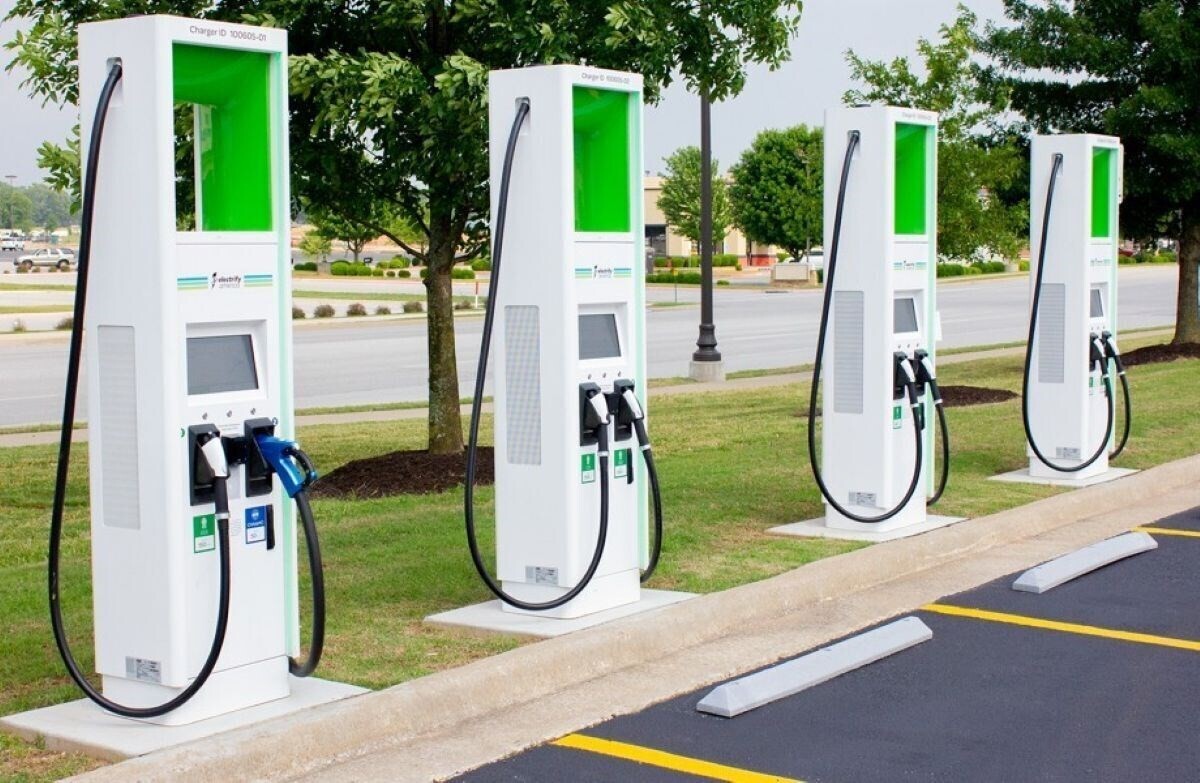
Delhi is preparing for a significant scale-up of its electric mobility ecosystem, with authorities initiating steps to expand charging networks through private sector participation ahead of a revised policy framework. The planned Delhi EV infrastructure expansion is expected to play a crucial role in accelerating the city’s transition towards cleaner transport while addressing capacity constraints in its current network. With the existing policy nearing its end, officials are working to finalise an updated roadmap that prioritises charging accessibility and integration across public and commercial segments. The city currently operates thousands of charging points, largely concentrated around transit hubs and supported by distribution companies.
However, growing adoption of electric vehicles has exposed gaps in availability, particularly in residential clusters and logistics corridors. To bridge this deficit, the administration has reached out to a wide base of vehicle manufacturers and industry vendors, encouraging them to invest in charging infrastructure. The Delhi EV infrastructure expansion strategy aims to add several thousand new charging points, signalling a shift towards a more decentralised and market-driven deployment model. Industry observers note that private participation could accelerate rollout timelines while reducing the fiscal burden on the state. A key focus area is the electrification of public transport systems. Plans are underway to equip bus depots with charging and battery-swapping facilities as the city moves to transition its bus fleet to electric power. This shift is expected to not only reduce tailpipe emissions but also improve operational efficiency in the long run. Urban mobility experts emphasise that electrifying high-usage public transport fleets can deliver disproportionate environmental benefits compared to private vehicle adoption alone.
At the institutional level, a state transmission utility has been tasked with coordinating infrastructure planning and ensuring grid readiness. This includes assessing load requirements, identifying high-demand zones, and facilitating integration with renewable energy sources where feasible. Such planning is critical to avoid grid stress and ensure reliable power supply as charging demand increases. The expansion is also expected to influence the commercial vehicle segment, where electrification has been slower. While smaller electric vehicles have gained traction in last-mile connectivity, medium and heavy-duty vehicles continue to rely on conventional fuels. Proposals to introduce a new category of electric commercial vehicles are under consideration, indicating a broader push to decarbonise logistics and freight movement within the city. From an urban development perspective, the scaling up of charging infrastructure intersects with land use planning, real estate design, and energy management. Integrating charging points into residential complexes, office buildings, and public spaces will be essential to support widespread adoption. Planners suggest that future building codes and urban policies may increasingly mandate EV-ready infrastructure as part of sustainable city design.
As Delhi moves closer to unveiling its updated policy, the emphasis on infrastructure readiness reflects a pragmatic approach to electric mobility. The success of the transition will depend not only on vehicle adoption but also on the city’s ability to create an accessible, reliable, and inclusive charging ecosystem that supports long-term climate and urban resilience goals.