Delhi EV Charging Infrastructure To Power Mobility
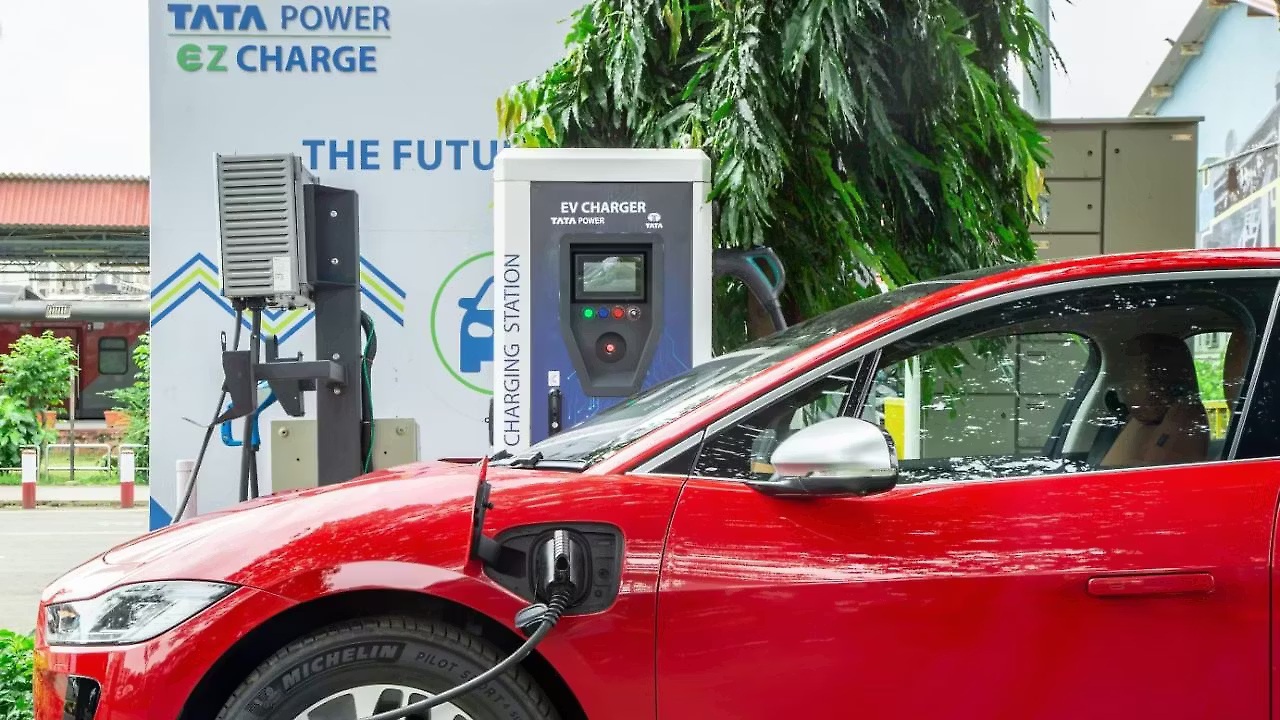
Delhi is preparing for a major expansion of its electric mobility network with plans to install thousands of new charging points across the city by the end of the decade. The initiative aims to strengthen EV charging infrastructure while addressing gaps that have slowed the adoption of electric vehicles despite strong policy incentives and growing consumer interest. Officials involved in drafting the city’s upcoming electric mobility policy say the government has set a target of establishing around 5,000 public charging stations by 2030. Each station is expected to include multiple charging points, significantly increasing the availability of public charging options across residential, commercial and transport corridors.
Urban transport planners note that expanding EV charging infrastructure is critical to sustaining Delhi’s transition toward cleaner mobility. While the capital has seen a steady increase in electric two-wheelers, cars and commercial vehicles in recent years, limited charging access in some areas remains a barrier for wider adoption. Authorities say earlier attempts to expand the charging network faced operational challenges. Several previously installed charging points across the city require technical evaluation to determine whether they remain functional. Officials believe that assessing the current network will help identify infrastructure gaps and prioritise new installations in areas with high demand. Under the proposed framework, a state transmission utility will function as the nodal agency responsible for coordinating the development of public charging and battery-swapping networks. The agency is expected to oversee demand aggregation, identify suitable locations and ensure that power supply systems are capable of supporting the growing number of electric vehicles. Energy planners emphasise that scaling EV charging infrastructure requires parallel upgrades to electricity distribution systems. Charging stations can significantly increase power demand in certain localities, making coordination with power distribution companies essential to ensure grid stability.
To streamline deployment, authorities are also preparing a digital management platform designed to monitor charging infrastructure across the city. The portal is expected to track station locations, manage approvals and allow real-time monitoring of operational performance. Policy designers say a simplified approval system for charging operators is also being considered. The mechanism would provide a single clearance channel for private companies interested in establishing charging stations or battery-swapping facilities, potentially accelerating the rollout of semi-public charging points in residential complexes, workplaces and commercial districts. The infrastructure push is taking place alongside the electrification of public transport facilities. Several bus depots operated by the city’s transport corporation have already been upgraded to support electric buses, while work continues to equip the remaining depots with charging systems and necessary electrical infrastructure. Urban sustainability experts say the expansion of charging infrastructure represents a crucial step in reducing emissions from road transport, one of the largest contributors to air pollution in Delhi. However, they also stress that integrating renewable energy sources into the charging ecosystem will be essential to ensure that the environmental benefits of electric mobility are fully realised.
As the policy rollout moves forward, the success of Delhi’s electric mobility transition will depend on whether the planned EV charging infrastructure can keep pace with the city’s rapidly growing fleet of electric vehicles while maintaining reliable power supply and accessible charging networks.