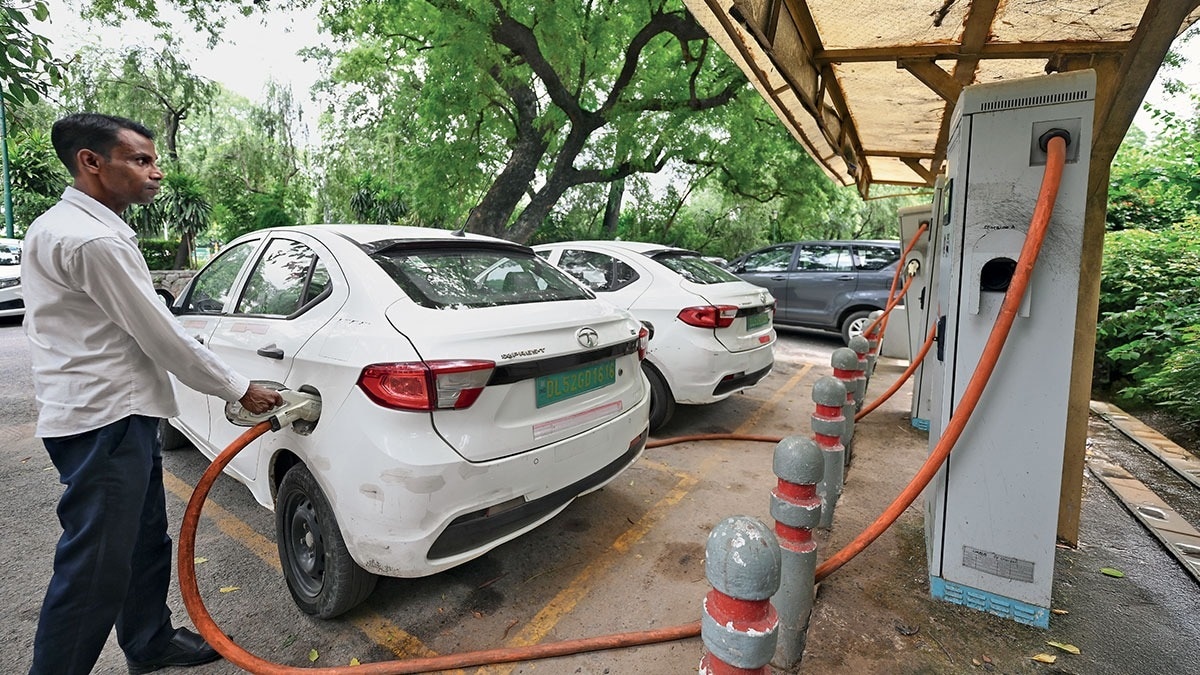
Delhi EV Charging Infrastructure Rule For New Projects
New infrastructure projects planned across Delhi will soon be required to incorporate EV charging infrastructure, marking a major step in preparing the capital’s built environment for the rapid growth of electric mobility. The provision forms part of the draft electric vehicle policy unveiled by city authorities, which seeks to align infrastructure planning with the anticipated rise in electric vehicle adoption across India’s largest urban markets. Under the proposed framework, all upcoming civic construction undertaken by municipal agencies and public authorities will need to be designed as EV charging infrastructure–ready. This includes ensuring adequate electrical capacity and physical provisions within projects so charging points can be installed as demand increases.
Urban planning officials say the measure reflects a shift in how cities integrate mobility with infrastructure planning. As electric vehicles move from niche adoption to mainstream transport, cities must ensure that charging facilities grow alongside residential, commercial and civic developments rather than being added as an afterthought. Civic agencies and land-owning public bodies will also be expected to periodically identify suitable land parcels for public charging and battery-swapping facilities. This mapping exercise aims to accelerate the expansion of the EV charging infrastructure network across neighbourhoods where vehicle ownership and commuter traffic are rising. Officials involved in drafting the policy indicate that coordination between power utilities, urban local bodies and planning agencies will be critical for the rollout. A government-owned power transmission entity has been designated to lead network planning, grid integration and technical coordination for the citywide charging ecosystem.
Industry observers note that grid preparedness will be essential as charging demand grows. Electric mobility requires not only charging stations but also reliable power distribution capacity and smart grid management systems capable of handling concentrated energy demand during peak charging hours. The draft policy also introduces a single-window approval mechanism intended to streamline regulatory clearances for private and public operators establishing charging facilities. A unified digital platform is expected to support monitoring, infrastructure mapping and operational coordination across agencies. Urban mobility specialists view the proposal as part of a broader transition towards cleaner transportation systems. Delhi has faced sustained pressure to address air pollution and transport emissions, making the electrification of mobility a key element in its long-term environmental strategy. The policy additionally places strong emphasis on sustainable battery management. Environmental authorities will oversee systems for battery collection, recycling and safe disposal under the national framework governing extended producer responsibility.
Experts suggest the success of the policy will depend on how quickly charging networks expand beyond central districts into residential neighbourhoods and suburban corridors where vehicle ownership is rising fastest. If implemented effectively, the framework could reshape how future buildings, roads and public facilities are designed in the capital—embedding EV charging infrastructure into the foundations of urban development rather than retrofitting it later.