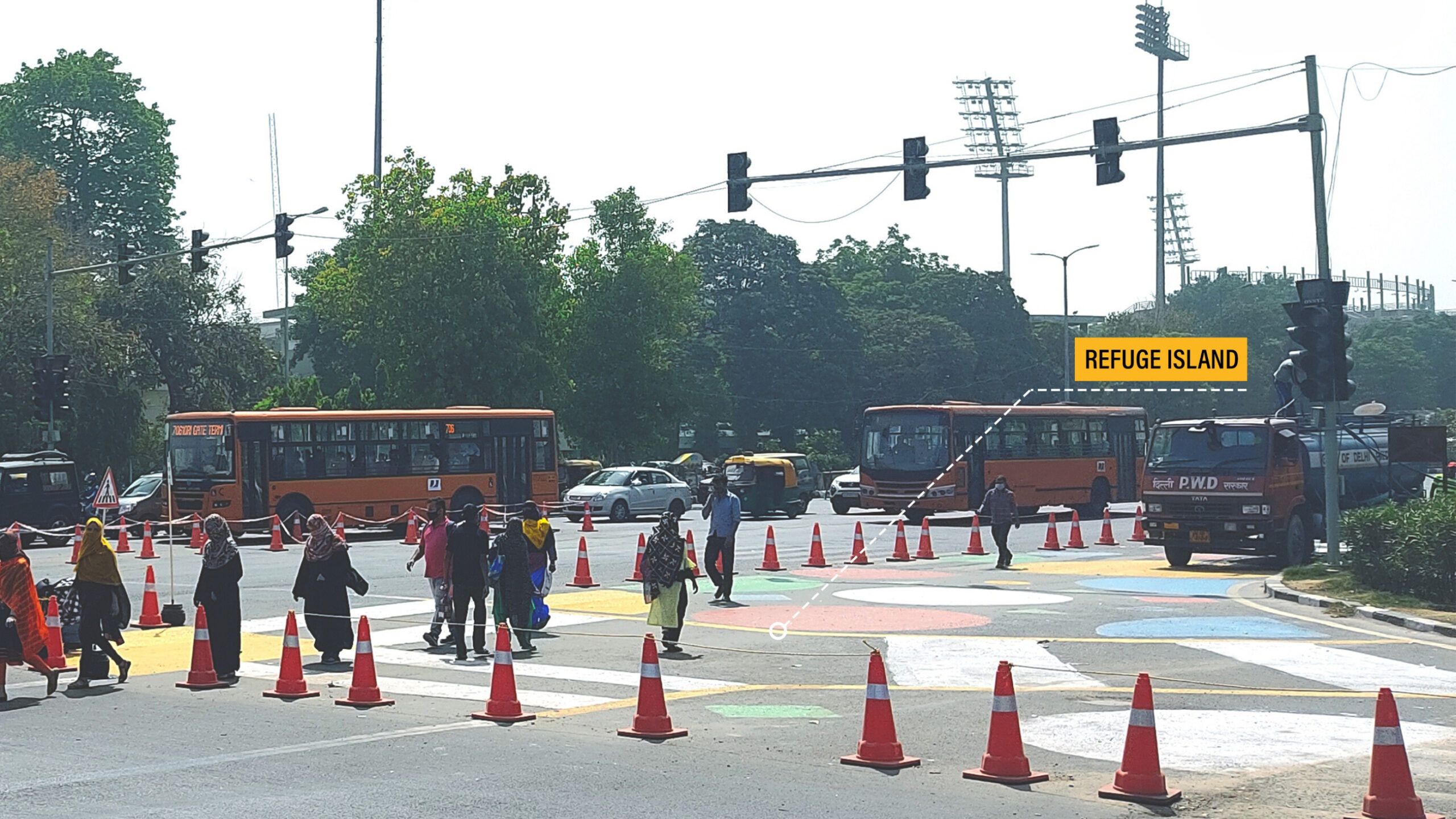
Delhi Enhances Road Network With Intersection Revamp
Delhi’s urban intersections and roundabouts are set for a comprehensive infrastructure and aesthetic overhaul as the Public Works Department (PWD) has shortlisted 47 key junctions across the city for revamp and beautification. Officials said the initiative aims to improve traffic management, pedestrian safety, and the visual character of heavily used public spaces, reflecting a growing focus on integrated urban design. The selected locations include major junctions at Civic Centre, Zakir Hussain College, Turkman Road, Lala Lajpat Rai Marg, Sarita Vihar crossing, Press Enclave, Bhishma Pitamah Marg, Idgah roundabout, Rani Jhansi roundabout, Madhuban Chowk, and Mayapuri Chowk. Urban planners note that prioritising high-traffic nodes can significantly enhance commuter experience, reduce congestion, and contribute to safer, more people-friendly streets.
PWD officials said the project will combine basic infrastructural upgrades—such as road resurfacing, street furniture, and clearly marked pedestrian crossings—with beautification efforts, including landscaping and decorative elements. The department has sought site surveys from zonal offices to ensure interventions are tailored to each location’s spatial and traffic characteristics. Senior officials highlighted that the move draws lessons from the positive public reception of the revamped Delhi Gate intersection during the G-20 summit, where upgraded design elements improved both usability and aesthetics. Funding for the project builds on the 2024–25 allocation of over ₹695 crore for road recarpeting, part of which has already supported preliminary beautification works at select junctions. Infrastructure analysts suggest that combining functional upgrades with visual enhancements can increase public satisfaction, attract footfall, and boost civic engagement in urban spaces.
Notably, the PWD plans to involve private agencies in maintaining these upgraded intersections, allowing them to install signage or hoardings in return for upkeep services. Experts caution that while public-private partnerships can ensure long-term maintenance, strict oversight will be essential to balance commercial interests with urban aesthetics, pedestrian safety, and environmental considerations. The initiative aligns with broader urban development objectives, including the creation of climate-resilient and people-first streetscapes. By modernising traffic nodes and integrating them with pedestrian-friendly design, city planners aim to reduce vehicular bottlenecks, lower accident risks, and create more visually cohesive urban corridors. The move also reflects a growing emphasis on sustainable infrastructure, where long-term maintenance and community interaction are integrated into project design.
With Delhi PWD overseeing approximately 1,440 km of arterial roads, this targeted revamp represents a strategic step toward improving mobility, safety, and civic experience. Observers note that timely execution and continuous evaluation will be critical to ensure that these intersections meet both functional and environmental objectives, providing a model for similar interventions across Indian megacities.