Delhi Electronics Sector Rallies Around Mineral Supply
India underscored the strategic necessity of resilient critical mineral supply chains for its burgeoning electronics and manufacturing sectors at an international finance ministers’ meeting, signalling a deepening role in global efforts to diversify and secure essential industrial inputs. Indian representatives joined counterparts from around the world in deliberations aimed at reducing over-dependence on any single source, particularly amid China’s dominant position in processing and exports of rare earths and other strategic minerals.
Critical minerals — including rare earth elements, lithium and cobalt — are indispensable for modern electronics, renewable energy technologies, electric vehicles and high-end manufacturing. These minerals form the backbone of components such as semiconductors, permanent magnets and battery cells; disruptions in their supply can create cascading effects on manufacturing lead times, costs and investment decisions. At the US-hosted ministerial meeting led by Treasury Secretary Scott Bessent, India’s position was clear: without robust and diverse supply chains, the resilience of its fast-growing electronics and broader industrial sectors is at risk. Indian officials characterised resilient sourcing as critical to achieving long-term economic goals, including manufacturing self-reliance and competitiveness in next-generation technology segments.
The discussions spanned several dimensions of supply-chain strategy. Participants highlighted the need for coordinated global action on technology sharing, processing capabilities and recycling infrastructure to improve long-term availability of high-quality minerals. Recycling, in particular, was identified as a practical lever to reduce pressure on primary extraction and help build circular ecosystem dynamics — an increasingly relevant objective as India pushes for sustainable industrialisation aligned with climate commitments. This push comes at a time when global mineral markets are undergoing strategic recalibrations. China continues to constitute a large share of rare earth processing capacity, prompting countries to pursue “prudent de-risking” strategies rather than wholesale decoupling. India’s engagement reflects a broadening industrial vision that links critical mineral security with domestic manufacturing advancement and export competitiveness.
For India’s electronics industry — a sector targeted by national policymakers as a growth engine and exporter — securing diverse sources of mineral inputs is essential. Semiconductors, display panels, energy storage systems and advanced sensors all depend on a steady flow of these materials; supply disruptions can slow production cycles, inflate input costs and discourage technology investment domestically. Analysts observe that India’s positioning also aligns with broader geopolitical and industrial policy objectives. Strategic cooperation with partners in North America, Europe and Asia can enable knowledge exchange in refining, processing and recycling technologies — areas where domestic capabilities are still developing. Strengthening these links can help Indian firms and policymakers better anticipate market shifts and adapt to regulatory or geopolitical disruptions.
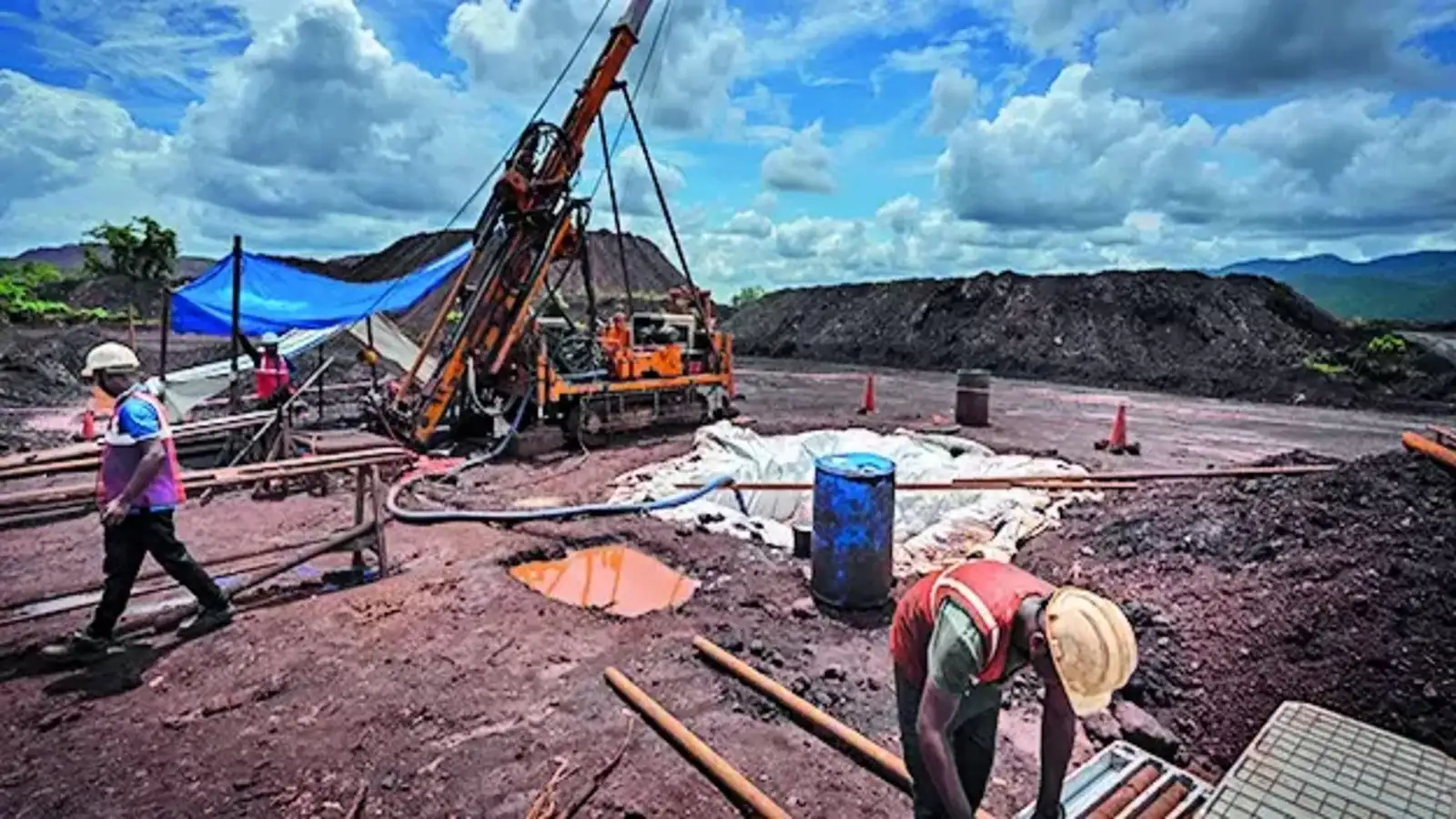
Domestic policy frameworks, including past approvals of the National Critical Mineral Mission, aim to support exploration, beneficiation and processing of these minerals. Expanding these frameworks — with stronger emphasis on supply-chain ties, technology transfer and sustainability principles — will be vital for India’s industrial competitiveness and urban economic resilience.
As ministers and industrial stakeholders return from Washington, attention will now turn to operationalising dialogue outcomes into tangible partnerships, financing mechanisms and capacity-building initiatives that reinforce India’s manufacturing and electronics ambitions in a competitive global landscape.