Delhi Electric Vehicle Policy Extension Signals Mobility Shift
Delhi has opted to temporarily continue its flagship electric mobility framework while authorities finalise the next phase of the city’s clean transport strategy. The short-term extension of the Delhi Electric Vehicle Policy keeps existing incentives and regulatory mechanisms in place as policymakers prepare a new roadmap aimed at accelerating the shift to zero-emission transport between 2026 and 2030. Officials involved in the planning process say the interim move ensures continuity for electric vehicle adoption across the capital’s transport ecosystem. The original policy, introduced in 2020, played a central role in expanding the market for electric two-wheelers, three-wheelers and commercial fleets. Extending the Delhi Electric Vehicle Policy prevents a policy gap while the government refines new measures designed to deepen the transition to electric mobility.
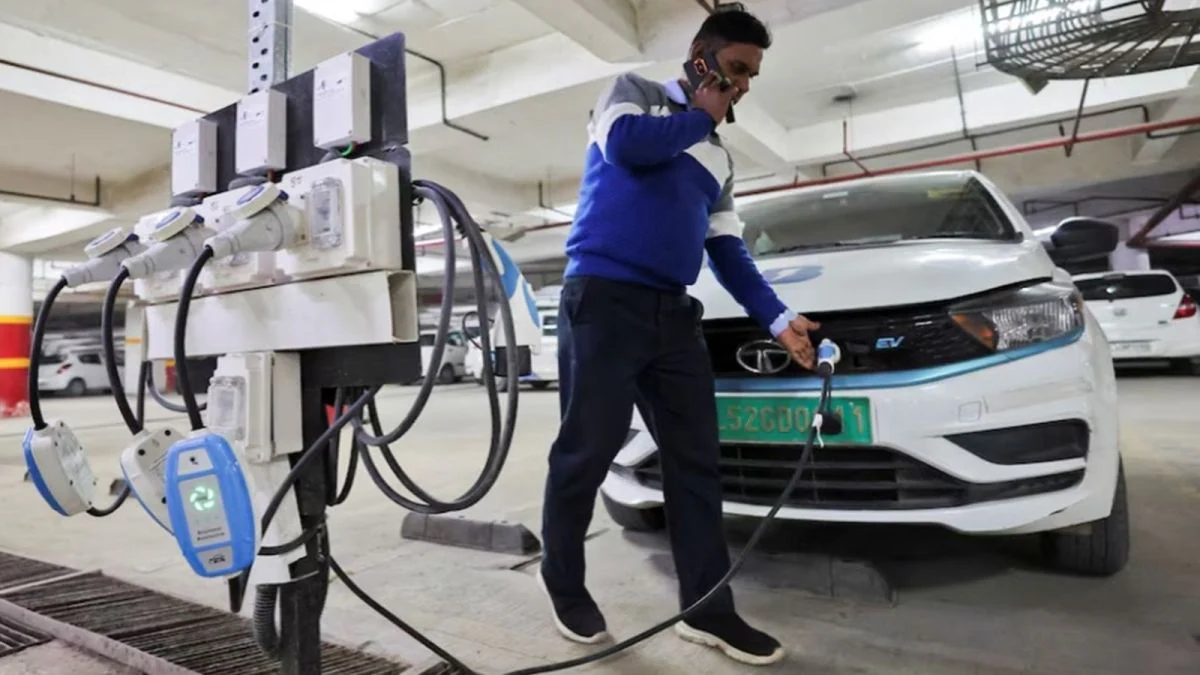
Urban transport analysts say such policy continuity is crucial for investors, manufacturers and fleet operators. Electric mobility adoption depends heavily on regulatory stability, charging infrastructure and financial incentives. Without a clear policy environment, both consumers and businesses often delay investments in electric vehicles or charging networks. The upcoming framework, expected to guide the sector through the end of the decade, is likely to focus on expanding infrastructure and improving charging accessibility. Authorities have indicated that thousands of additional public charging points are expected to be rolled out across the capital during the coming year, addressing one of the most significant barriers to wider EV adoption. Delhi’s push toward electrification is closely linked to its long-standing air pollution challenge. Transport emissions remain a major contributor to poor air quality across the metropolitan region. Encouraging electric mobility through the Delhi Electric Vehicle Policy is viewed by urban planners as a key strategy to reduce tailpipe emissions while supporting the broader transition toward cleaner energy systems.
Infrastructure planners also note that charging networks must evolve alongside the city’s built environment. Integrating charging points into residential developments, office complexes, parking hubs and commercial centres is increasingly becoming part of urban planning discussions. As the real estate sector adapts to sustainability requirements, EV-ready infrastructure is gradually emerging as a new benchmark for modern buildings. Industry observers say Delhi’s policy approach has already influenced similar initiatives in other Indian cities. Incentives for electric auto-rickshaws and delivery fleets have particularly accelerated adoption among commercial operators, where lower running costs make electric vehicles economically attractive. The forthcoming version of the Delhi Electric Vehicle Policy is expected to expand these gains by encouraging broader electrification across private vehicles, public transport and logistics networks. Experts suggest that stronger coordination between energy utilities, transport agencies and urban planners will be essential to ensure that charging infrastructure grows in tandem with demand.
For residents and businesses, the next phase of Delhi’s electric mobility transition will shape not only the city’s transport landscape but also its environmental future. If supported by reliable infrastructure and consistent policy signals, electric mobility could play a decisive role in improving urban air quality while aligning Delhi with global efforts to build low-carbon and climate-resilient cities.