Delhi Electric Mobility Policy Shifts Incentive Model
Delhi has introduced a revised electric mobility framework that links financial incentives to the retirement of older vehicles, marking a strategic shift in how the capital approaches emissions reduction and urban transport reform. Backed by a public outlay of roughly ₹2,000 crore, the new policy prioritizes scrappage-based incentives over direct subsidies, signalling a stronger push to remove high-polluting vehicles from city roads. The updated framework places the highest benefits on individuals who scrap older petrol and diesel vehicles—particularly those compliant with Bharat Stage IV norms or earlier—and replace them with electric alternatives. Urban policy experts suggest this pivot could accelerate emissions reduction more effectively than purchase subsidies alone, as it directly targets the legacy vehicle fleet that contributes disproportionately to air pollution.
Under the new system, financial support has been standardised across vehicle segments to simplify access and reduce administrative complexity. Incentives for private electric cars are capped and limited to a fixed number of beneficiaries, while electric two- and three-wheelers receive flat-rate support. Officials indicate that this restructuring is intended to balance fiscal discipline with continued momentum in electric vehicle adoption. The Delhi EV Policy 2 also introduces support for retrofitting internal combustion engine vehicles with certified electric kits, offering an alternative pathway for owners who may not be ready to invest in new vehicles. Industry stakeholders view this as a pragmatic inclusion, especially for small businesses and fleet operators seeking cost-effective transitions. Fiscal incentives remain a key feature, with continued exemptions on road tax and registration charges for electric vehicles within defined price thresholds. However, the introduction of upper price limits signals a move towards targeting mass-market adoption rather than subsidizing premium segments. Analysts note that such measures could make the transition more equitable, ensuring public funds support broader accessibility.
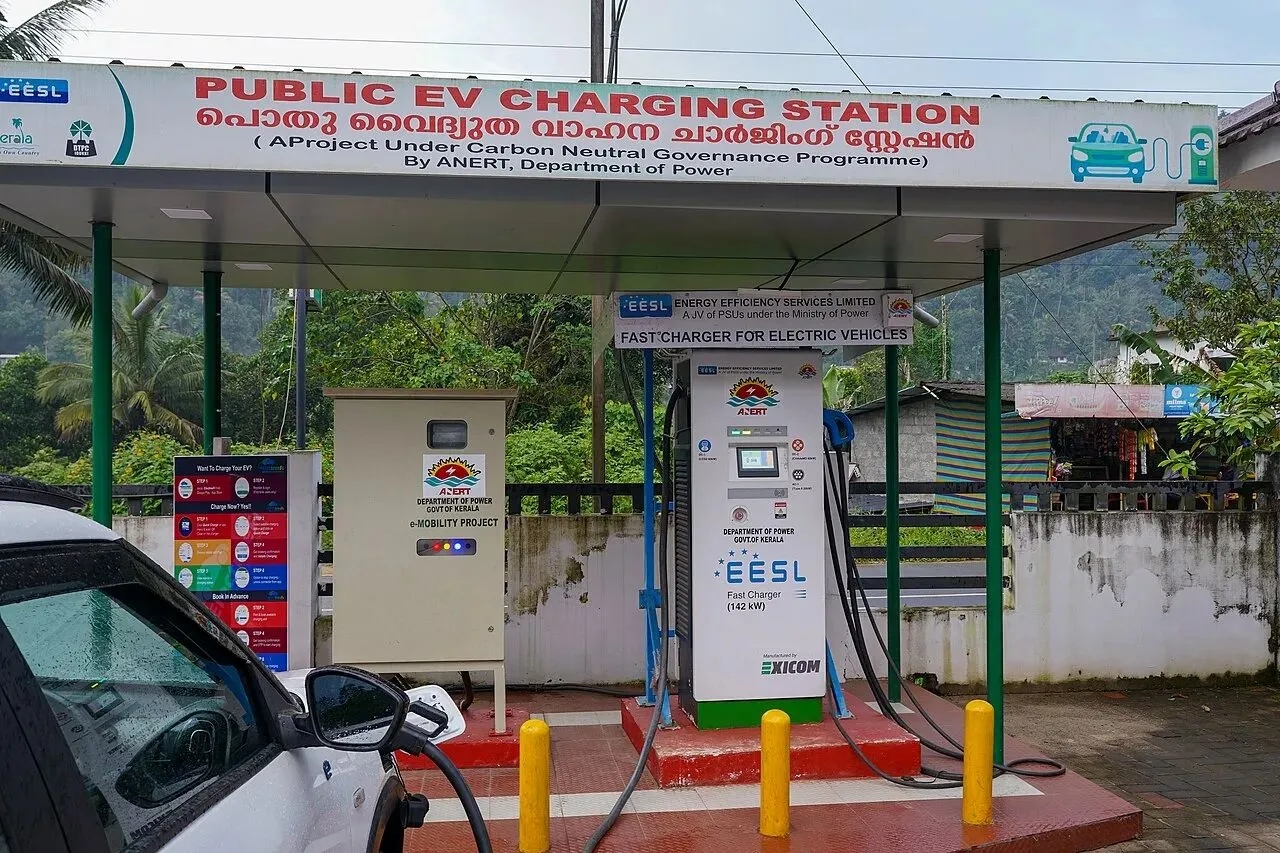
Public transport electrification forms a central pillar of the policy. The government plans a substantial expansion of its electric bus fleet over the next few years, alongside investments in depot electrification and operational infrastructure. Urban planners argue that scaling electric public transport is essential for meaningful emissions reduction, given the high share of daily commuters reliant on buses. Charging infrastructure is another priority area. The policy mandates the installation of charging points at vehicle dealerships and sets ambitious targets for citywide charging networks. This is expected to reduce range anxiety and improve consumer confidence, a critical factor in sustaining long-term EV adoption. Additionally, the Delhi EV Policy 2 incorporates provisions for battery recycling and automated vehicle testing systems, reflecting a growing focus on lifecycle sustainability and regulatory transparency. Faster subsidy disbursal through digital mechanisms is also expected to improve user experience and uptake.
As Indian cities grapple with pollution and congestion, Delhi’s recalibrated approach offers a model that integrates environmental goals with economic pragmatism. The effectiveness of the Delhi EV Policy 2 will depend on execution, particularly in scaling infrastructure and ensuring that the benefits of cleaner mobility reach a wide cross-section of urban residents.