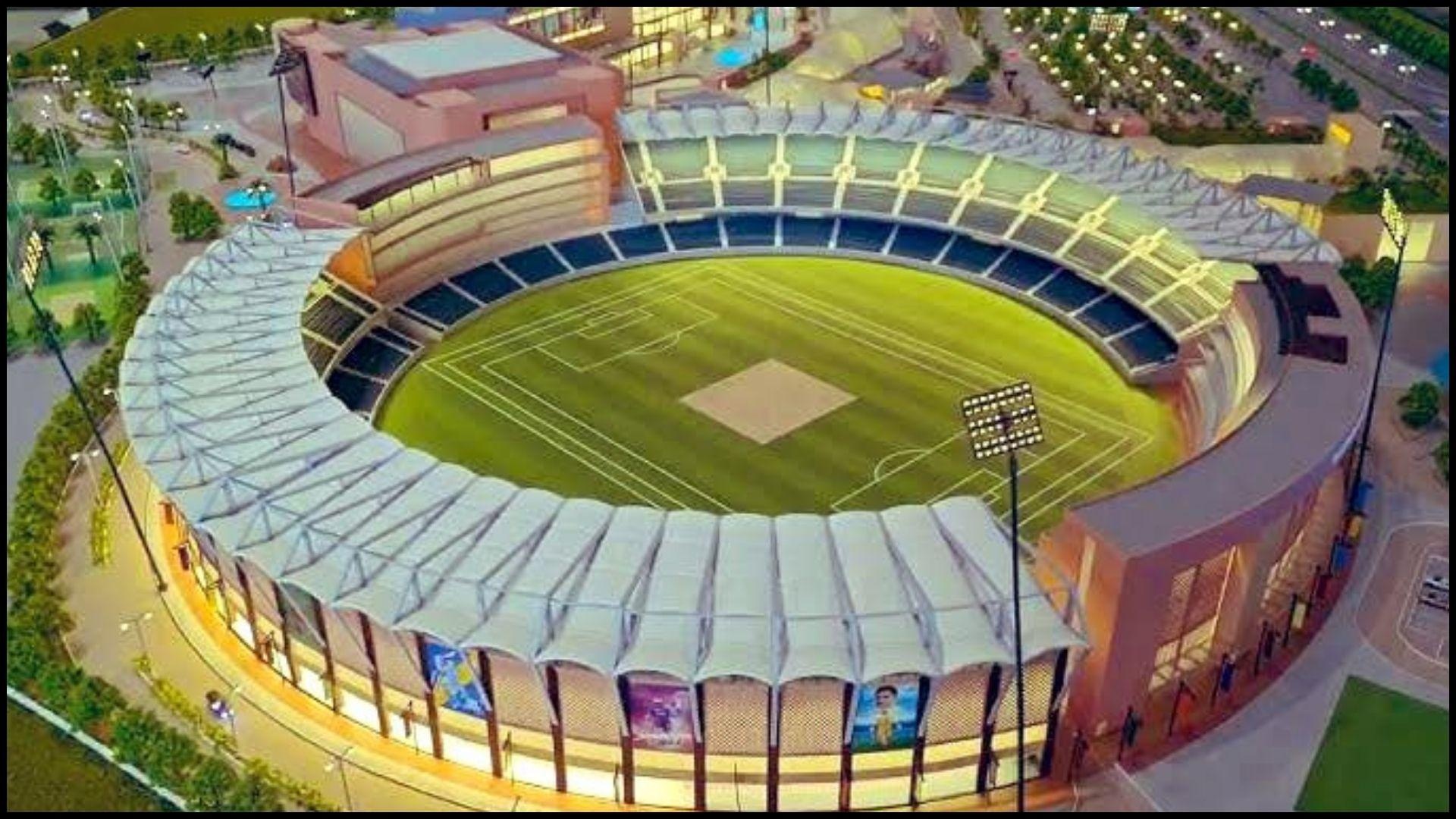
A large-scale sports and mixed-use development is moving closer to execution in Delhi’s Dwaraka, as a private developer prepares to engage with government authorities on project structuring and approvals. The proposed sports hub, planned on over 50 acres of land allotted through a public agency, signals a significant shift in how urban land is being leveraged for integrated infrastructure and economic activity in the capital. At the center of the proposal is a multi-sport stadium with a seating capacity of around 30,000, designed to accommodate both cricket and football events to global standards. The project, estimated at ₹2,500 crore, is expected to combine sports infrastructure with commercial and public-use spaces, aligning with broader urban development goals in west Delhi.
Urban planners note that the Dwaraka sports hub could help rebalance Delhi’s infrastructure distribution, which has historically been concentrated in central and south Delhi. With Dwaraka emerging as a key residential and transit-oriented zone, the project may support local economic ecosystems, generate employment, and enhance accessibility to high-quality sports facilities for residents. However, the scale of investment also raises questions around sustainability and long-term urban resilience. Experts emphasise that projects of this nature must integrate climate-sensitive design, including efficient water management, renewable energy adoption, and heat-resilient construction practices. Given Delhi’s ongoing challenges with air quality and urban flooding, the environmental performance of such large developments will be closely scrutinised. The Dwaraka sports hub is also expected to test newer models of public-private collaboration in urban infrastructure delivery.
Industry observers suggest that structured engagement with government agencies at an early stage can streamline regulatory processes while ensuring alignment with city-level planning frameworks. This becomes particularly relevant in Delhi, where multiple authorities oversee land, transport, and civic services. From a market perspective, the project could influence real estate dynamics in the surrounding region. Large infrastructure investments often lead to increased land values and commercial activity, though experts caution that inclusive planning is necessary to prevent uneven growth or displacement pressures. Beyond its economic implications, the Dwaraka sports hub could play a role in shaping Delhi’s social infrastructure by creating accessible public spaces centred around sports and recreation. If executed with a people-first approach, it may contribute to healthier urban lifestyles and community engagement, particularly among younger populations.
As consultations progress, attention will likely focus on execution timelines, financing structures, and sustainability benchmarks. The project’s trajectory will serve as an indicator of how Indian cities are balancing growth ambitions with the need for equitable and climate-conscious urban development.