Delhi Drain Desilting Work Trails Monsoon Deadline
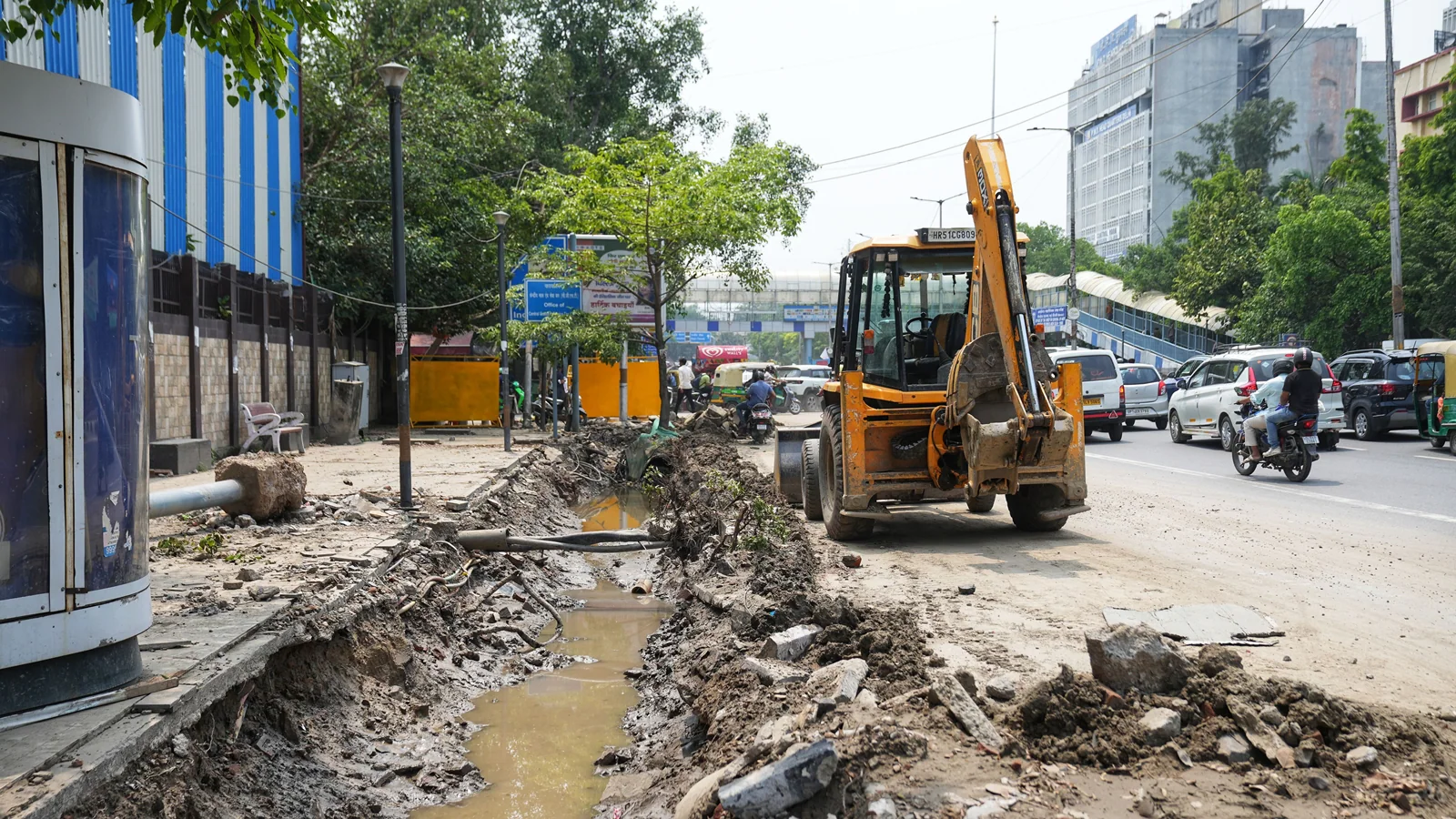
As the monsoon season approaches, authorities in Delhi are racing to complete a large-scale Delhi drain desilting programme aimed at preventing flooding and improving urban water management. However, official submissions to an environmental tribunal indicate that progress remains limited, raising concerns about whether the city’s drainage system will be fully prepared before the onset of heavy rains. The city’s irrigation and flood control department has informed the tribunal that it intends to complete desilting work across 77 major drains by the end of May 2026. Yet the latest progress update suggests that only about 30 percent of the targeted work had been achieved by the beginning of April, leaving a narrow window to finish the remaining operations before the monsoon typically reaches the capital in late June.
The Delhi drain desilting programme involves removing accumulated silt and debris that obstruct natural water flow in the city’s drainage network. Such obstructions can significantly reduce the carrying capacity of drains, leading to waterlogging during intense rainfall events. Urban planners say this work is critical for a dense metropolis like Delhi, where impervious surfaces such as roads and buildings increase runoff and place heavy pressure on drainage infrastructure. Environmental monitoring authorities have been closely tracking the progress after previously taking note of delays in the desilting schedule. The tribunal has sought periodic updates from the concerned department to ensure that agencies maintain momentum on the programme. Officials have now been directed to submit further status reports in the coming weeks as the deadline approaches. Available data from departmental filings indicate varying levels of progress across key drains. Work on the Shahdara drain has crossed one-third completion, while the Barapullah drain has seen minimal progress so far. The city’s largest drainage channel, the Najafgarh drain, is being cleaned in multiple segments. Some stretches have only just begun desilting operations, while others are yet to commence work.
Experts say the stakes are high for the Delhi drain desilting initiative. The capital has experienced repeated flooding in recent years, including severe waterlogging during heavy rainfall episodes that disrupted transport networks, inundated residential areas, and forced emergency pumping operations across several neighbourhoods. With climate change intensifying rainfall variability, such urban flooding risks are expected to increase unless drainage systems are regularly maintained and upgraded. The issue also carries broader environmental implications. Several of the city’s major drains eventually discharge into the Yamuna river, transporting both stormwater and untreated wastewater. Inadequate desilting can worsen pollution loads and affect river rejuvenation efforts underway across the region. Urban infrastructure experts argue that while emergency pre-monsoon desilting is necessary, cities must also invest in long-term stormwater planning. This includes restoring natural drainage channels, integrating green infrastructure such as permeable surfaces and wetlands, and improving coordination between departments responsible for water, transport, and urban development.
As the next progress review approaches, the pace of the Delhi drain desilting programme will be closely watched. The outcome will not only determine how well the city manages the coming monsoon but also highlight the broader challenge of building climate-resilient urban infrastructure in one of the world’s fastest-growing metropolitan regions.