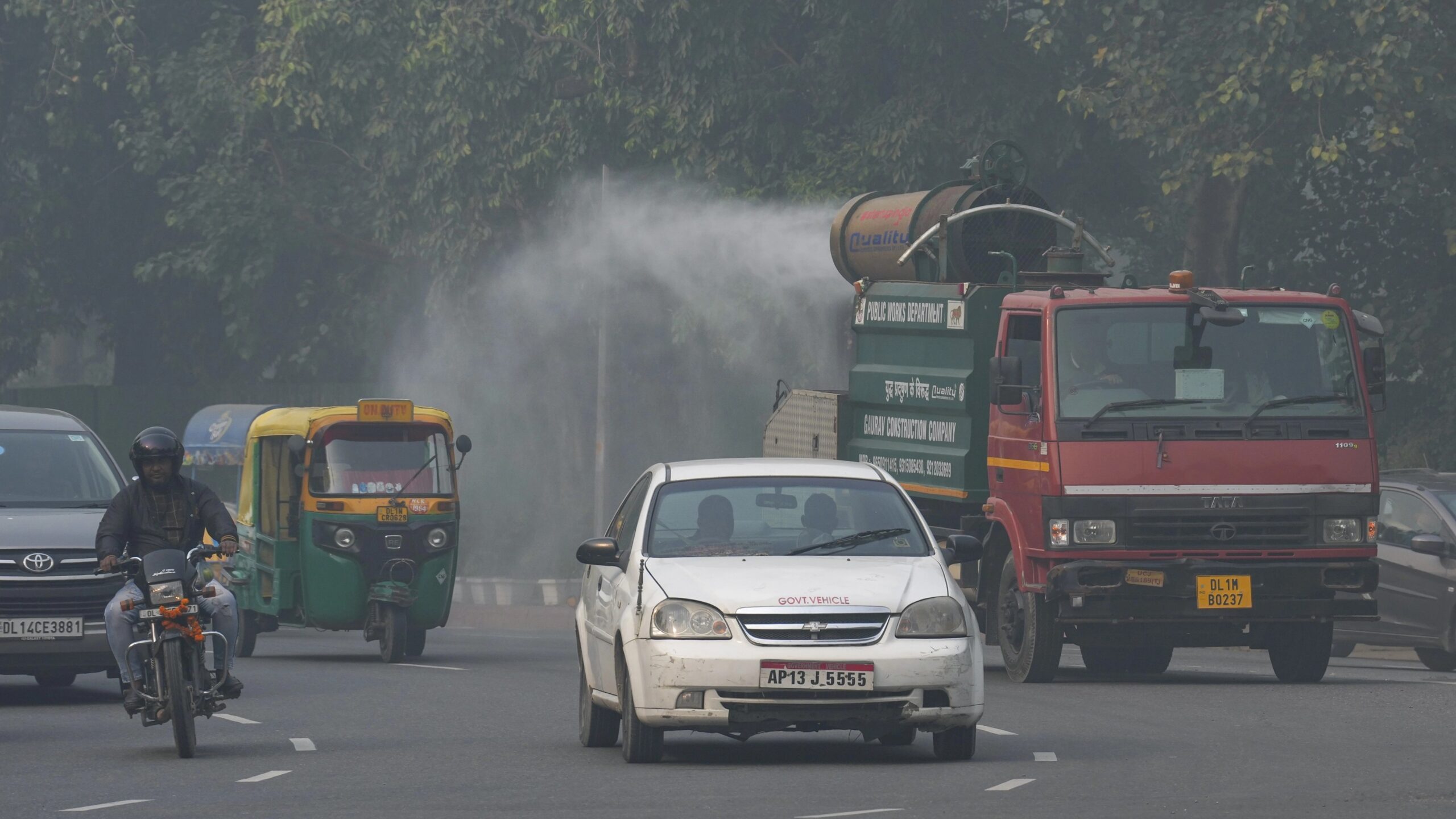
Delhi DPCC Launches Innovation Challenge To Cut Emissions From Overage Vehicles
Delhi is taking a decisive step towards mitigating vehicular pollution, with the Delhi Pollution Control Committee (DPCC) launching an innovation challenge aimed at significantly reducing emissions from End-of-Life Vehicles (ELVs). This strategic initiative seeks to identify and promote affordable, easily maintainable, and highly effective technological solutions. The proactive measure underscores the capital’s commitment to fostering a cleaner, healthier, and more sustainable urban environment for all its residents.
The core objective of this ambitious challenge is to unearth groundbreaking technologies capable of reducing or absorbing PM2.5 and PM10 particulate matter emissions at levels at least twice the amount currently emitted by ELVs operating within the National Capital Territory. These proposed solutions can be designed for internal or external fitting on vehicles and must demonstrate the capacity to neutralise, capture, or offset pollutants beyond the existing emission thresholds. The emphasis remains firmly on fiscal accessibility for end-users, alongside ease of installation, maintenance, scalability, and proven real-world feasibility, ensuring widespread adoption across diverse socio-economic strata.
A rigorous timeline has been established for the challenge, with its official launch slated within 30 days from the issuance of the directive. Following this, a comprehensive evaluation and declaration of results are mandated within 90 days, signalling a determined push for rapid implementation. The challenge is open to a broad spectrum of innovators, including individuals, startups, seasoned research institutions, and technology developers from across India, fostering a collaborative ecosystem for environmental solutions.
To ensure impartiality and scientific rigour in the selection process, an independent panel of distinguished technical experts will be constituted. A premier technical institution, such as the Indian Institute of Technology (IIT) Delhi, is formally being requested to lead this critical committee and actively participate in the evaluation and selection process. The panel’s composition will also include representatives from environmental engineering institutes, automotive sector specialists, and members from the DPCC, ensuring a holistic assessment of all submissions. This multi-stakeholder approach aims to identify the most impactful and sustainable technologies for urban air quality management.
The final report, meticulously outlining all submissions received, the detailed evaluation methodology, and the recommended solutions, will be presented to the government for ultimate approval. The DPCC has been tasked with presenting a formal project outline, including a precise problem statement, within five days of the directive’s issuance. This concerted effort reflects the administration’s recognition that reducing vehicular pollution remains a formidable challenge for Delhi. By exploring all available avenues and leveraging innovation, the Delhi government is actively working towards creating a zero net carbon, eco-friendly city, ensuring a healthier and more equitable future for its citizens.