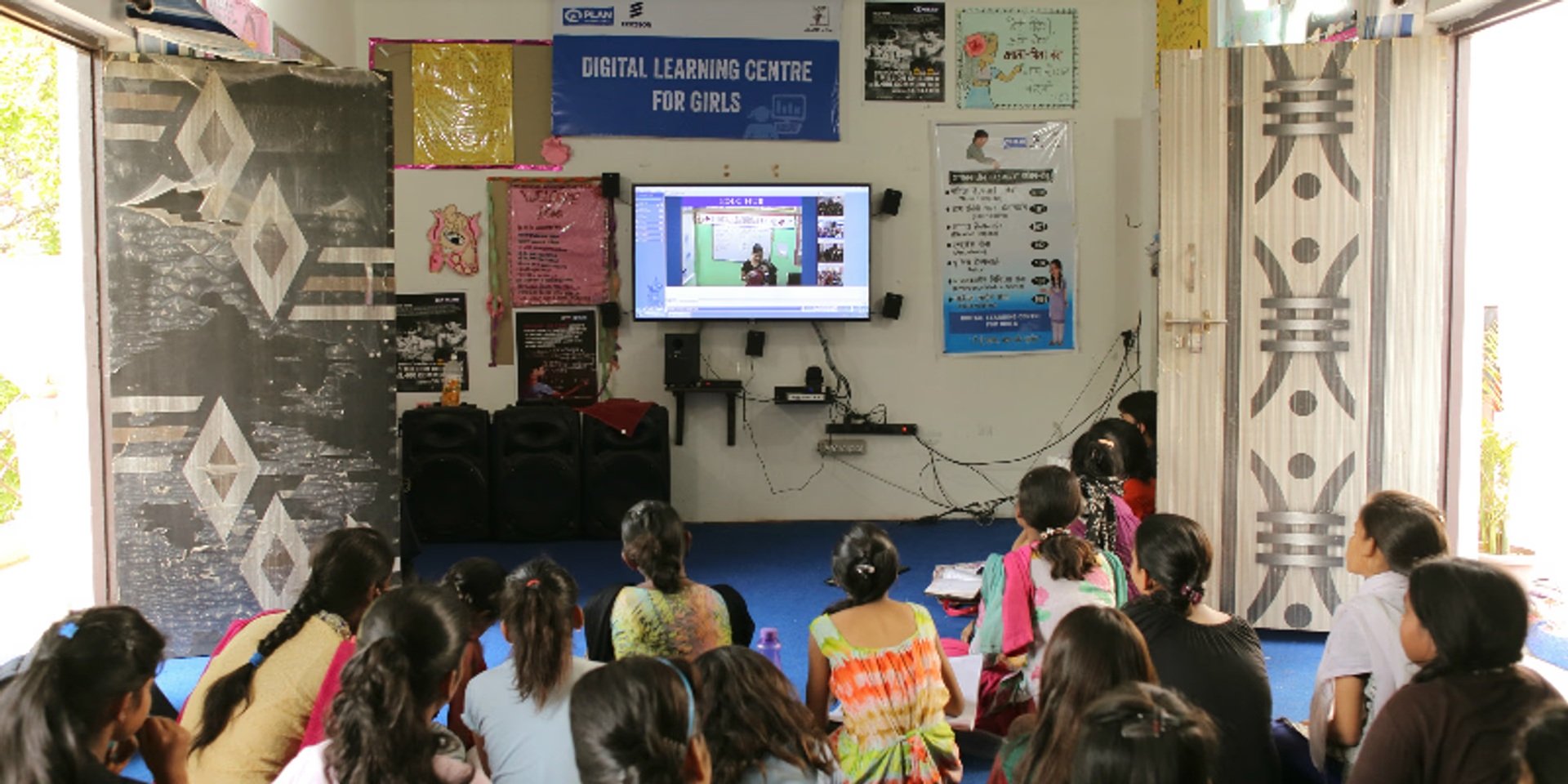
Delhi Digital Learning System Targets Classroom Outcomes
A large-scale shift in public education delivery is underway in Delhi, where authorities are preparing to roll out a unified Delhi digital learning system across more than a thousand government schools. The initiative marks a transition from installing classroom technology to systematically tracking student learning outcomes, with implications for education equity, workforce readiness, and urban social infrastructure. Officials involved in the programme indicate that the Delhi digital learning system will integrate curriculum-linked digital content with continuous assessment tools.
The approach combines in-class instruction with at-home access, enabling students to engage with lessons beyond school hours while allowing educators to monitor progress in real time. Education experts say the move reflects a maturing phase in India’s digital schooling efforts. Earlier interventions focused heavily on hardware—smart boards, tablets, and connectivity—often without corresponding changes in pedagogy or evaluation. By linking digital content directly to curriculum goals and assessment frameworks, the new system aims to address this gap and improve measurable learning outcomes. The introduction of three-dimensional and interactive content is expected to enhance conceptual understanding, particularly in subjects that rely on visualisation. At the same time, the system’s assessment layer will generate performance data that can be used to identify learning gaps at both student and institutional levels. Analysts suggest that such data-driven insights could support more targeted interventions, reducing dropout risks and improving overall academic performance.
From an urban development perspective, the Delhi digital learning system is also part of a broader effort to strengthen human capital in rapidly growing cities. Access to quality education remains a key determinant of economic mobility, especially for students from lower-income households who rely on public schooling. By extending learning opportunities into the home environment, the system may help bridge disparities in access to private tutoring and supplementary resources. There are also indirect environmental and infrastructure benefits. Hybrid learning models can reduce pressure on physical infrastructure over time, optimise classroom utilisation, and potentially lower the need for resource-intensive expansions. However, experts caution that digital inclusion remains a critical factor, with device access, internet reliability, and digital literacy shaping the effectiveness of such programmes. Implementation challenges are expected. Teachers will require training to adapt to new tools and assessment methods, while schools must ensure consistent usage rather than sporadic adoption. Data privacy and system maintenance are additional considerations, particularly at this scale. Urban policy observers note that if executed effectively, the Delhi digital learning system could serve as a replicable model for other metropolitan regions seeking to align education systems with digital economies.
Its success will depend on sustained investment, institutional capacity, and the ability to translate technology adoption into tangible learning improvements. As Delhi continues to expand its social infrastructure, the focus on outcome-based digital education signals a shift towards more accountable and inclusive public service delivery—one that links classroom innovation with long-term urban resilience.