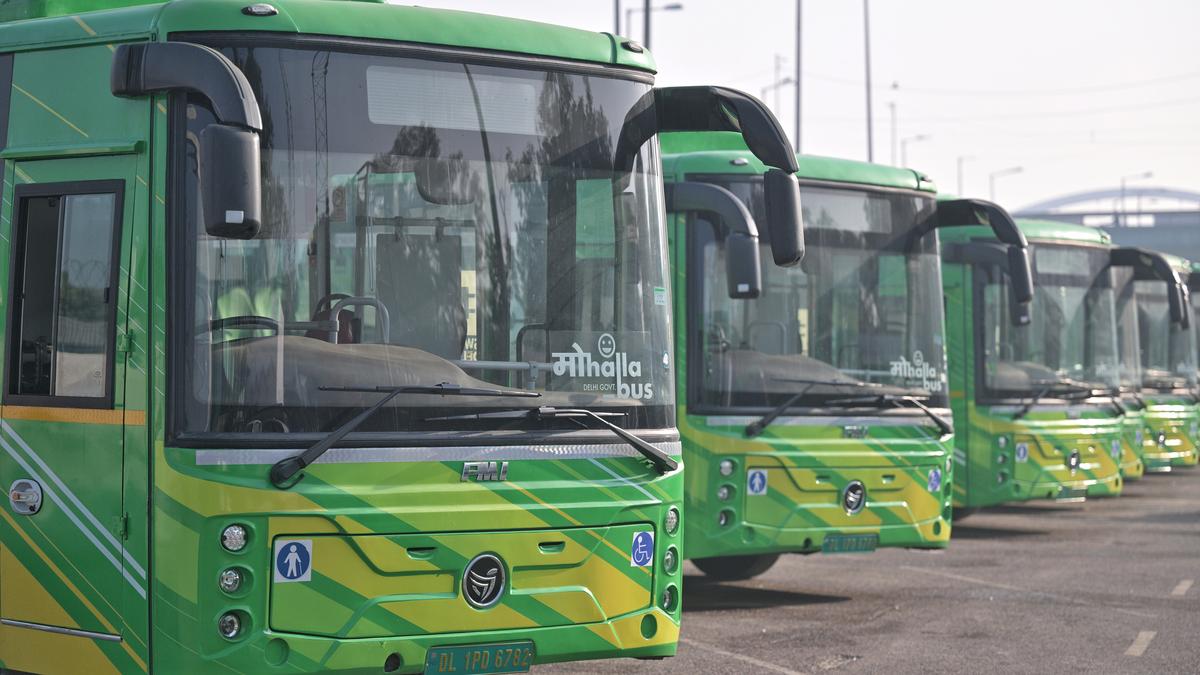
Delhi’s push for cleaner, greener public transport takes a significant step forward with the anticipated launch of 76 electric buses under the Delhi Electric Vehicle Integration (DEVI) scheme on May 2, 2025, as confirmed by officials to PTI.
Originally slated for April 22, the rollout was postponed due to a three-day national mourning period following the demise of Pope Francis on April 21, 2025, with Chief Minister Rekha Gupta announcing the delay via X. Operating from the Ghazipur depot, these buses will cover 12-km routes, strengthening feeder connectivity to metro stations and major Delhi Transport Corporation (DTC) bus routes, a critical move for the city’s 4.1 million daily bus commuters. For Delhiites, the DEVI buses—rebranded from the Aam Aadmi Party’s Mohalla Bus Service by the BJP government—promise relief in navigating congested neighborhoods.
Residents like Sunita, a domestic worker in Mayur Vihar, rely on patchy last-mile options, often walking 2 km to metro stations. The 9-meter buses, designed for narrow roads, will serve routes like MS-1 (Akshardham Metro to Mayur Vihar Phase-3), with fares of ₹10-25 and free travel for women via pink passes, reserving 25% of 23 seats. This aligns with Delhi’s Electric Vehicle Policy, extended to March 2025, aiming for 25% EV adoption to combat air pollution, which hit an AQI of 352 in April 2025. By December 2025, Delhi aims to deploy 2,080 more e-buses, targeting an 80% electric fleet of over 10,000 buses, the highest in India.
This could cut PM 2.5 emissions by 0.33 million tonnes per bus over a decade, a lifeline for a city choking on smog. For commuters, students, and vendors, DEVI buses mean shorter walks, safer rides, and cleaner air—a small but vital step toward a sustainable Delhi.