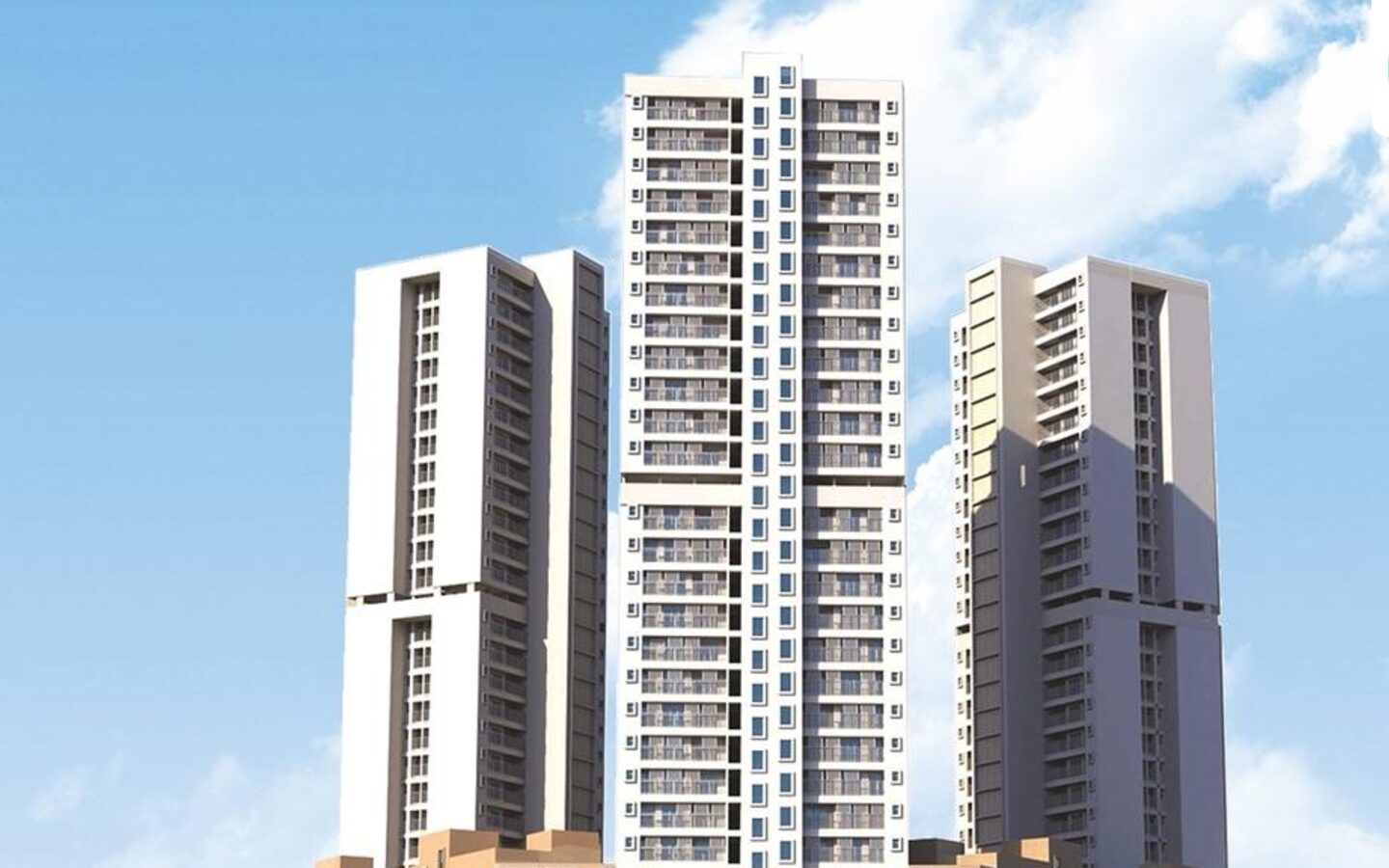
The Delhi Development Authority has moved ahead with the second phase of its high-density residential development in Karkardooma, signalling a sharper policy push towards vertical, transit-linked housing in the capital. The latest tranche of homes under the ‘Towering Heights’ project reinforces Delhi’s attempt to optimise scarce urban land while aligning residential supply with public transport networks.
Located in East Delhi, the project is being implemented under the supervision of a central public-sector construction agency and is positioned as the city’s tallest residential development. Rising 48 storeys and reaching approximately 155 metres, the tower marks a shift in Delhi’s traditionally low-rise housing profile, reflecting changing urban design priorities driven by population pressure, mobility constraints, and sustainability goals. Under the second phase, 741 residential units have been opened for individual buyers on a first-come-first-served basis, while an additional 107 apartments have been reserved for institutional allocation to government bodies. Registration for retail buyers is scheduled to open in early January and remain available until March, offering applicants flexibility in timing and choice. Officials involved in the rollout said the scheme allows buyers to book multiple units, an approach aimed at improving absorption while ensuring faster monetisation of public housing assets.
Pricing for the homes ranges between ₹1.7 crore and ₹2 crore, positioning the project within Delhi’s premium public housing segment. Importantly, the apartments are already more than 90 per cent complete, which significantly reduces delivery risk — a persistent concern among urban homebuyers. Buyers are required to pay only 75 per cent of the total cost at the time of allotment, with the remaining amount linked to final completion, easing short-term financial pressure. Urban planners note that the project holds wider significance as Delhi’s first residential development executed under the city’s Transit Oriented Development framework. TOD policy seeks to concentrate housing, jobs, and services around mass transit corridors to reduce car dependence, lower emissions, and improve everyday accessibility. Karkardooma’s proximity to metro connectivity makes it a key test case for whether high-rise living can translate into genuinely people-first, low-carbon urban neighbourhoods.
The first phase of the project, launched last year, saw over 1,000 homes offered within the same complex, indicating sustained demand for centrally planned, infrastructure-supported housing in East Delhi. Analysts tracking public-sector housing say such developments also play a stabilising role in local real estate markets by setting transparent pricing benchmarks and encouraging private players to align with regulatory and sustainability norms. As Delhi grapples with housing shortages, air quality challenges, and long commuting times, projects like Towering Heights illustrate how public agencies are recalibrating housing strategy. The focus now shifts to timely handover, effective maintenance, and integration with civic amenities — factors that will ultimately determine whether vertical growth can deliver on the promise of more resilient, inclusive urban living.
Delhi Development Authority Opens New High Rise Homes