


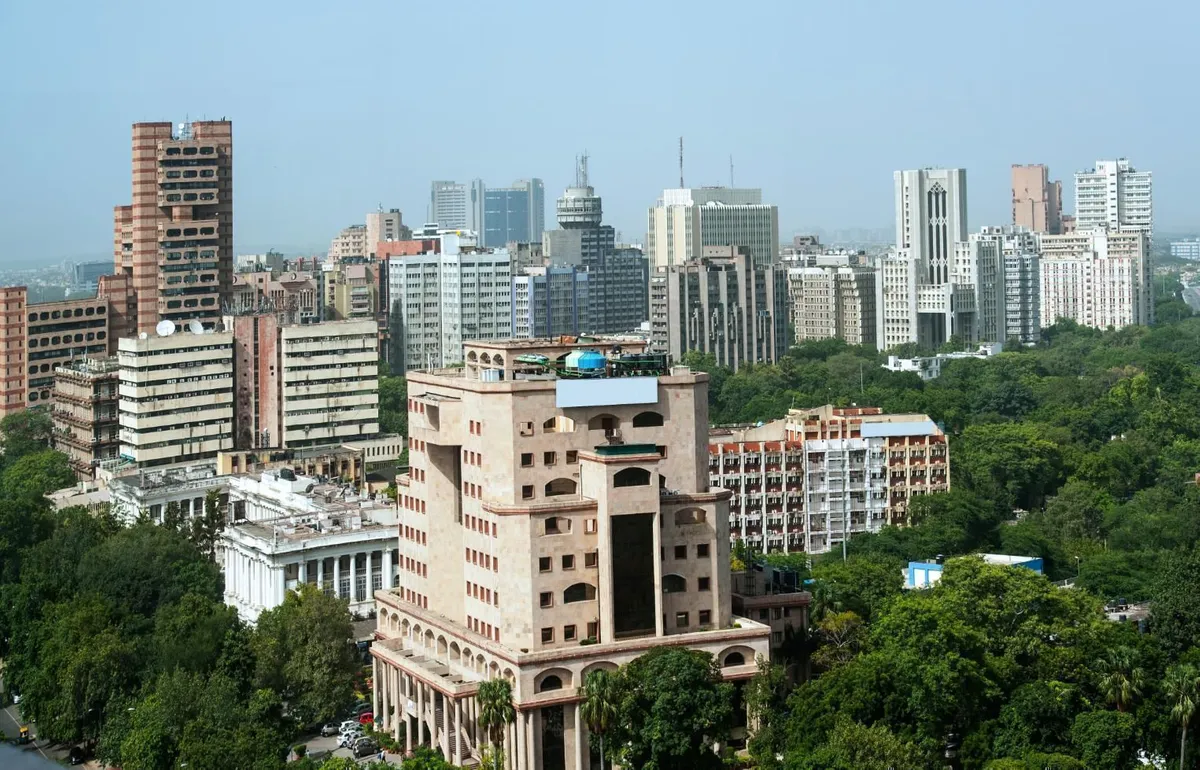
As air pollution intensifies across India’s major urban centres, real estate developers are increasingly offering residences equipped with advanced air-filtration systems, sensor-driven ventilation, and integrated green spaces. In cities like Delhi and Gurugram, “low-AQI homes” are emerging as a defining feature of premium housing, signalling a shift in buyer expectations towards wellness-centric living environments.
Industry analysts suggest that this trend reflects both a response to worsening ambient air quality and a broader marketing strategy. “Homebuyers are increasingly prioritising health and well-being, making indoor air quality a significant differentiator in high-end projects,” said an urban housing consultant. However, questions remain over whether such solutions should be treated as luxury features or as fundamental rights in city planning. Historically, residential marketing in India has commoditised proximity to nature river-facing, sea-view, and park-facing apartments commanded premium prices. Today, low-AQI claims have joined this list, with developers promoting centralised fresh-air systems and urban forests within projects as part of their sustainability narrative. Godrej Properties, for example, has integrated a centrally treated fresh-air system in its Delhi Mathura Road project, combining advanced PM2.5 filtration with VRF air-conditioning to maintain healthier indoor environments. Similarly, Max Estates’ Estate 361 in Gurugram focuses on a “forest in your backyard,” featuring over 2,50,000 sq. ft. of indigenous flora to enhance air quality and natural cooling.
Experts caution that indoor air management is complex and expensive. Maintaining low-AQI conditions often requires sealed units with continuous filtration and ventilation, significantly increasing construction and operational costs. “Centralised air filtration adds long-term maintenance responsibilities and incremental pricing for buyers,” explained a real estate technologist. Green buffers and gardens, while beneficial, act as partial barriers rather than fully cleansing polluted air, highlighting the limits of micro-level solutions in heavily polluted urban areas. While these innovations provide immediate health benefits to residents, urban planners emphasise that they cannot replace city-wide environmental policies. “Individual projects can offer cleaner indoor air, but broader reductions in vehicular emissions, industrial pollutants, and construction dust are critical for sustained improvement,” said a senior environmental planner.
The integration of air quality measures in residential projects represents a hybrid approach: catering to luxury market demand while subtly addressing public health concerns. As developers continue to position wellness as a premium offering, urban authorities face the challenge of ensuring equitable access to basic environmental safeguards for all citizens, beyond private gated communities.
Also Read: Noida Authority Escalates Rs 472 Crore Developer Dues To EOW
Delhi Developers Launch Low AQI Homes As Luxury Option Amid Pollution Crisis
