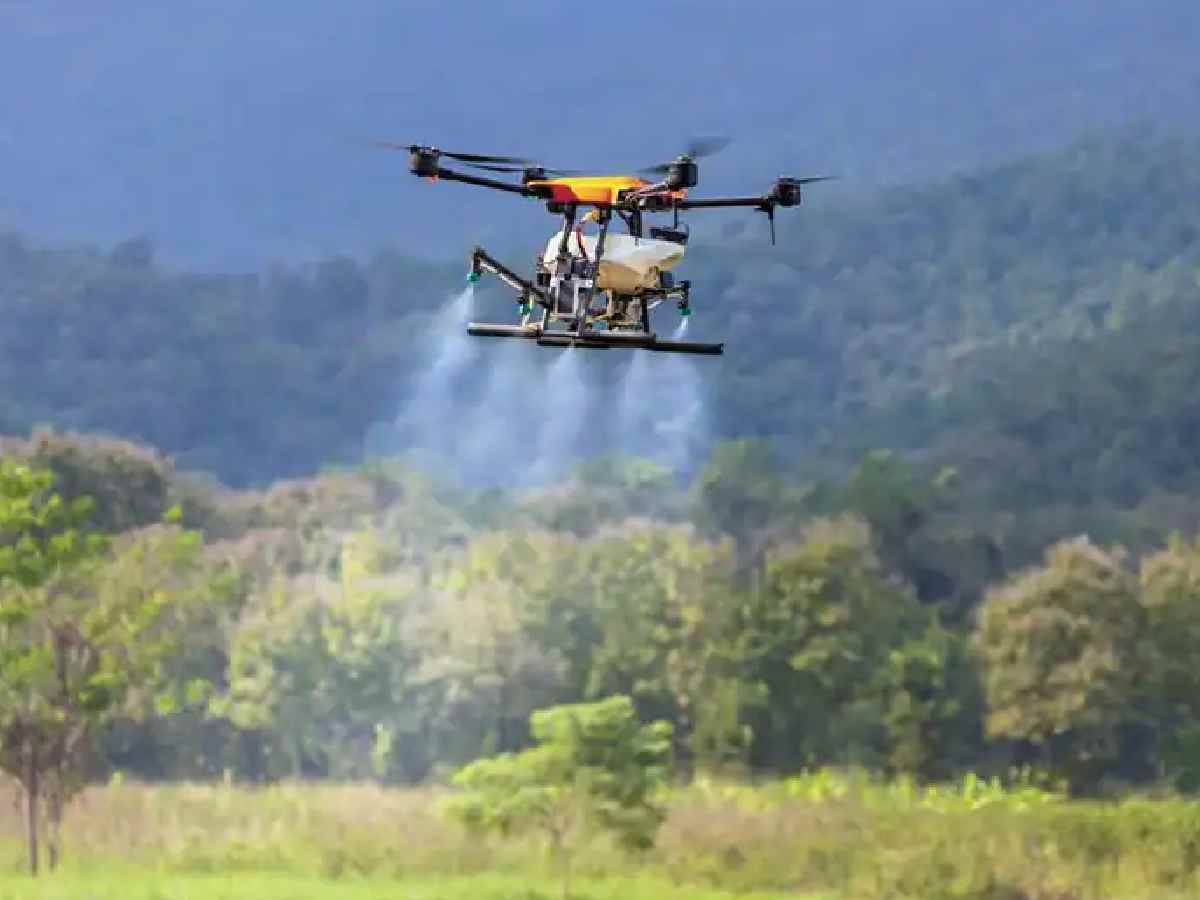
Delhi has initiated an advanced drone survey of its intricate network of smaller drains, targeting the unchecked discharge of untreated waste into the Yamuna River. This pioneering technological intervention marks a crucial phase in the city’s ambitious efforts to rejuvenate its lifeline river. The strategic deployment of aerial mapping aims to precisely identify pollution sources, paving the way for a cleaner, more sustainable urban aquatic ecosystem.
The challenge of Yamuna pollution in the national capital is multifaceted, primarily stemming from the significant volume of untreated waste flowing into its waters. The city’s drainage infrastructure comprises 22 major drains, including the formidable Najafgarh, Shahdara, and Supplementary drains, all of which ultimately empty into the Yamuna. A critical exacerbating factor is the presence of approximately 300 smaller sub-drains that feed into these larger systems, collectively contributing substantially to the overall pollution load. This complex network necessitates a precise and comprehensive approach to source identification and mitigation.
In a proactive measure, the Delhi administration has embraced drone technology to gain an unprecedented aerial perspective of these smaller, often overlooked, pollution conduits. This high-tech mapping initiative allows for a granular understanding of waste flow patterns and discharge points that might otherwise remain undetected or difficult to assess through conventional methods. The precision offered by drone surveys is expected to significantly enhance the efficacy of subsequent clean-up and interception operations, streamlining resource allocation and accelerating progress towards a cleaner river.
The rejuvenation of the Yamuna is not merely an environmental imperative but a cornerstone of Delhi’s broader vision for a sustainable and eco-friendly urban future. A cleaner river system will translate into improved public health outcomes, enhanced biodiversity, and the potential for developing recreational spaces that can be enjoyed by all citizens, regardless of gender or socio-economic background. This commitment to environmental restoration aligns with the global agenda of creating zero net carbon and equitable cities, where natural resources are preserved for current and future generations.
This innovative use of technology underscores the city government’s resolve to tackle long-standing environmental challenges with modern solutions. By meticulously mapping the origins of waste discharge, authorities can implement targeted interventions, such as the construction of decentralised sewage treatment plants or direct interception mechanisms, to prevent untreated effluents from reaching the river. Such strategic investments in environmental infrastructure are vital for transforming Delhi into a resilient and ecologically balanced metropolis.
The drone mapping initiative represents a pivotal step towards a more scientific and data-driven approach to urban environmental management. It reflects a commitment to transparency and efficiency in addressing a critical public concern. The success of this project will not only contribute to the ecological revival of the Yamuna but also serve as a model for other urban centres grappling with similar challenges, fostering a collective movement towards healthier, more sustainable urban living.