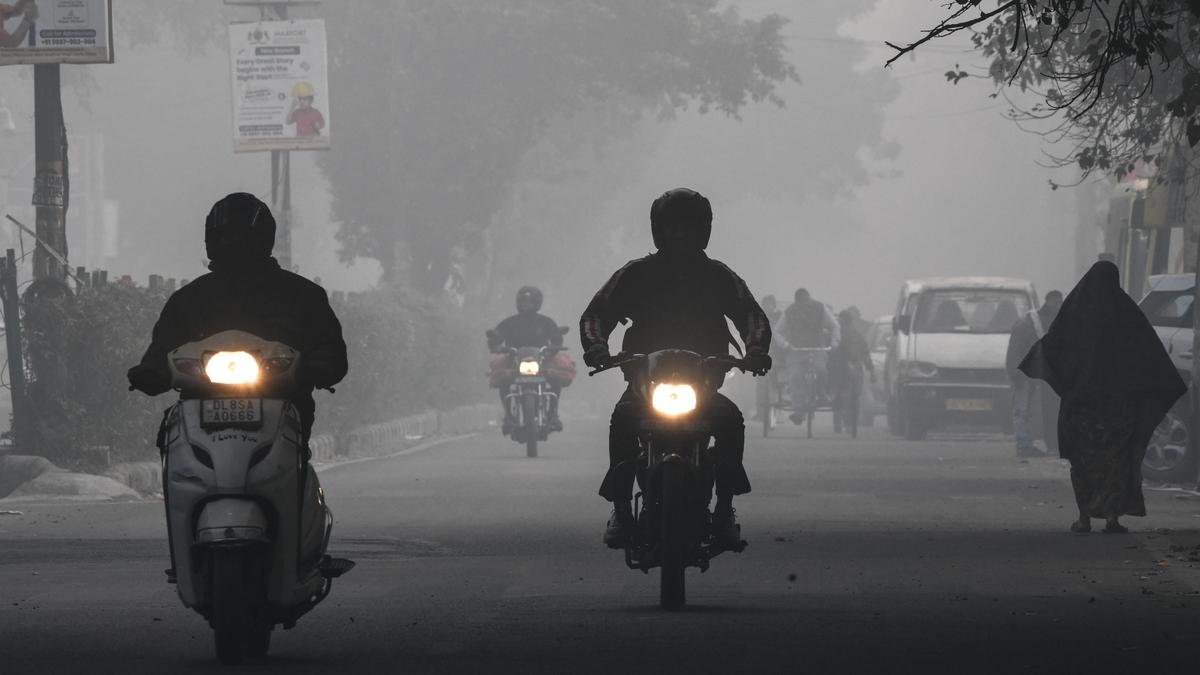
Delhi has moved to directly link fuel access with emission compliance, announcing that vehicles without a valid Pollution Under Control (PUC) certificate will be denied fuel at petrol pumps across the capital from December 18. The decision marks one of the city’s most stringent enforcement steps in recent years, reflecting growing urgency to curb vehicular pollution, a major contributor to Delhi’s chronic air quality crisis.
Speaking to the media, a senior environment official said vehicle owners were given a brief window to ensure compliance before enforcement began. Petrol pumps have been instructed to deny fuel to vehicles lacking valid certification, while enforcement teams have already started issuing penalties to violators. Officials described the move as a behavioural and regulatory intervention aimed at nudging citizens towards cleaner mobility practices rather than a punitive exercise alone. Urban policy experts note that road transport remains among the largest sources of particulate matter and nitrogen oxides in Delhi, alongside construction dust and waste burning. By tying fuel access to emission norms, the government is attempting to close a long-standing enforcement gap, as PUC compliance has historically been weak despite legal requirements.
The government has defended the timing of the measure by pointing to comparative air quality data. According to officials, Delhi recorded better average air quality for much of the year compared to the same period last year, crediting sustained administrative action rather than episodic restrictions. While pollution levels have worsened with the onset of winter, authorities argue that baseline conditions are still relatively improved. The announcement also came amid political sparring, with the ruling administration accusing previous regimes of inaction on structural pollution sources. However, urban governance specialists caution that enforcement measures must be accompanied by systemic reforms to be effective and equitable, especially for lower-income commuters who rely on older vehicles.
Beyond fuel restrictions, the government highlighted a range of ongoing interventions. These include reducing the height of legacy landfill sites, reclaiming large tracts of degraded land, and expanding pollution monitoring infrastructure across the city. Officials said thousands of monitoring units are now operational, enabling more granular identification of pollution hotspots and targeted responses. Clean mobility remains a central plank of Delhi’s long-term strategy. The administration reiterated plans to significantly expand the electric bus fleet, positioning public transport electrification as a key lever for reducing vehicular emissions while improving accessibility.
A scientific advisory committee has also been tasked with recommending evidence-based pollution control measures. For urban planners, the fuel-linked PUC rule signals a broader shift towards accountability-driven environmental governance. If implemented consistently and supported by affordable compliance mechanisms, the policy could strengthen Delhi’s transition towards cleaner, more inclusive, and lower-carbon urban mobility an essential step for building healthier and more resilient cities.
Delhi Denies Fuel To Vehicles Without Valid PUC Certificates From December 18