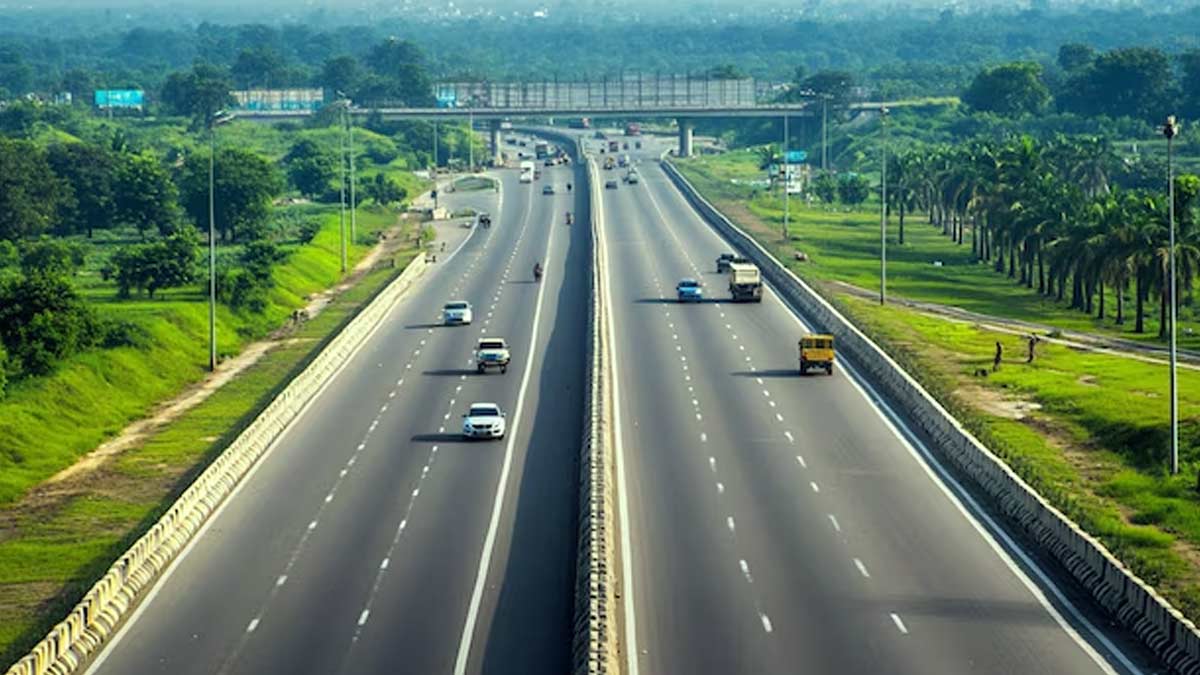
Delhi Dehradun Expressway to Cut Travel Time to 2.5 Hours
The much-anticipated Delhi Dehradun Expressway is nearing completion and is poised to redefine travel and connectivity between the National Capital Region and the hill state of Uttarakhand.
Spanning 210 kilometres, the expressway is being developed as part of the Bharatmala Pariyojana and is designed to reduce the current travel time of approximately six and a half hours to just two and a half hours. With a projected investment of Rs 12,000 crore, this greenfield highway stands as one of North India’s most ambitious infrastructure undertakings, integrating modern engineering, sustainability, and regional development goals. Officially designated as National Highway 709B, the expressway begins from Akshardham in Delhi, passes through Uttar Pradesh’s Baghpat, Shamli and Saharanpur districts, and terminates in Dehradun. Its strategic alignment not only aims to reduce vehicular congestion but also to streamline the movement of goods and people across this economically vital corridor. The expressway is expected to be fully operational by late June or early July 2025, as confirmed by recent inspection reports from Union and regional highway authorities.
A defining feature of the project is its emphasis on sustainability and ecological sensitivity. A 12-kilometre elevated wildlife corridor, stretching across the Rajaji National Park, is set to be Asia’s longest such structure, allowing for the free and safe passage of animals including elephants and tigers. This engineering innovation reflects a conscious shift towards infrastructure that coexists with biodiversity and reduces human-animal conflict. Additionally, a 340-metre tunnel near Datkali in Dehradun has been constructed to ensure smooth vehicular flow while maintaining the ecological contours of the hilly region. The expressway incorporates an extensive network of service roads, underpasses, and access points. With 113 underpasses, 16 entry and exit points, 76 kilometres of service roads, and 29 kilometres of elevated structures, the expressway has been designed for maximum efficiency. Its design speed of 100 km/h further ensures that commuters can traverse long distances in significantly less time without compromising on safety. The installation of surveillance systems, emergency response facilities, and modern drainage and lighting infrastructure underscores the government’s commitment to building resilient and commuter-friendly roads.
The economic impact of the expressway is expected to be substantial. By improving connectivity to Uttarakhand and easing access to religious and tourist destinations like Haridwar, Rishikesh and Mussoorie, the highway is set to give a major boost to tourism, trade, and employment in the region. Additionally, a related project — a proposed 26-kilometre elevated corridor connecting Dehradun to Mussoorie — is in the planning stage with an estimated cost of Rs 6,100 crore. This corridor will further cut travel time, making it possible to reach Mussoorie from Delhi in just four hours. However, it is also expected to displace around 2,600 structures, raising questions around resettlement and social equity.
While the bulk of construction has progressed rapidly, a few challenges have delayed full completion. A legal dispute in Mandola, Ghaziabad, where a residential structure lies directly in the proposed path, remains unresolved, with the authorities awaiting court orders. Additionally, a pillar collapse in Saharanpur in March 2025 caused momentary concern, although the incident was managed without casualties and has not significantly derailed the overall timeline. Looking forward, the Delhi Dehradun Expressway is much more than a transport project — it is a bold step toward building equitable, sustainable and interconnected urban regions. By balancing the goals of economic growth, ecological protection, and commuter convenience, the expressway reflects the changing priorities of infrastructure development in India. Once operational, it is expected to set new benchmarks in how mega-road projects can serve both the people and the planet.