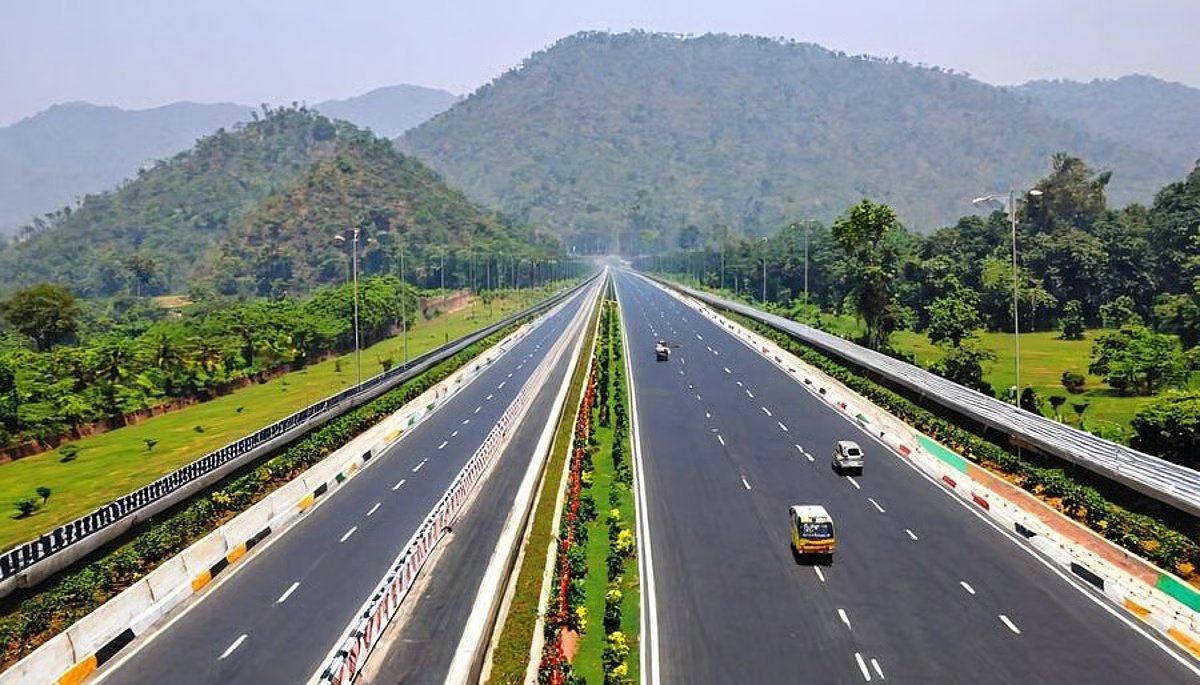
Delhi Dehradun Expressway Set To Transform Connectivity
A key inter-state transport corridor linking the national capital with Uttarakhand is entering its final phase, with trial runs underway on multiple stretches ahead of an expected public opening in the coming weeks. The Delhi Dehradun Expressway is poised to significantly reduce travel time between the two cities, marking a major shift in regional connectivity and economic integration. Transport authorities have begun operational testing across completed segments, focusing on safety systems, vehicle speeds and route efficiency. These trials are being conducted on different sections, including key urban links connecting Delhi to adjoining regions in Uttar Pradesh. Officials indicate that such evaluations are essential before commissioning a project of this scale, ensuring readiness for high traffic volumes and long-distance travel.
Spanning over 200 kilometers, the Delhi Dehradun Expressway is designed as a high-speed corridor with multiple entry and exit points, grade-separated interchanges and extensive use of underpasses to maintain uninterrupted traffic flow. The route is expected to cut journey time between Delhi and Dehradun to nearly half of current levels, potentially transforming both daily and long-distance travel patterns. Urban infrastructure experts suggest that the expressway’s impact will extend beyond mobility. Improved connectivity is likely to stimulate economic activity along the corridor, particularly in districts located between the two cities. Enhanced accessibility can support logistics, tourism and small-scale industries, contributing to more balanced regional development. The project also introduces engineering features aimed at reducing environmental disruption. A notable component is an elevated wildlife passage designed to allow safe movement of animals across forested zones, reflecting a growing emphasis on integrating ecological considerations into large infrastructure projects. Such measures are increasingly seen as essential in projects that traverse sensitive landscapes.
From a real estate perspective, improved connectivity typically drives demand in peripheral and semi-urban areas. Industry observers anticipate that residential and commercial development could accelerate in towns located along the corridor, as travel becomes faster and more predictable. However, planners caution that unregulated growth could strain local infrastructure if not aligned with sustainable land-use planning. While the project has faced delays in earlier phases, the commencement of trials signals that critical sections are nearing completion. Authorities are expected to continue phased openings as readiness levels vary across stretches, rather than waiting for full corridor completion. For commuters, the Delhi Dehradun Expressway represents a significant improvement in travel convenience, potentially reshaping weekend tourism patterns and business travel between the two regions. For policymakers, it underscores the role of high-speed corridors in supporting economic growth while raising important questions about balancing infrastructure expansion with environmental and urban sustainability goals.
As final clearances and safety checks progress, attention will shift to how effectively the corridor integrates with local road networks and whether it can deliver long-term benefits without triggering unsustainable development along its route.