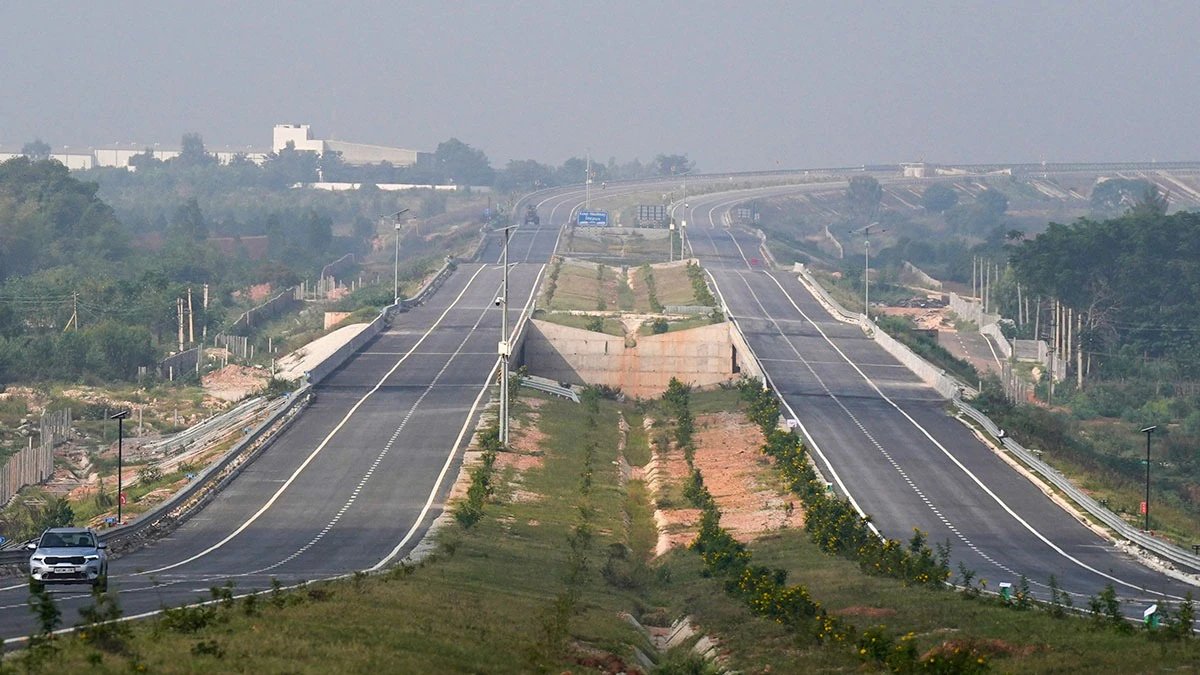
The upcoming Delhi Dehradun expressway, a major greenfield corridor designed to cut travel time between the national capital and Uttarakhand, is approaching operational readiness. Yet, the absence of critical roadside infrastructure such as parking zones and rest facilities is raising concerns about commuter experience and safety as the project edges closer to inauguration. Spanning over 200 kilometers, the high-speed corridor is positioned as a transformative link for both tourism and regional trade. It is expected to significantly reduce journey time, making weekend and business travel between the two cities more predictable. For logistics operators and real estate markets along the route, the expressway could unlock new growth opportunities by improving access and reducing transit costs.
However, infrastructure experts caution that the success of such highways depends not only on carriageway completion but also on the readiness of support systems. At present, designated rest areas, truck lay-bys, and parking hubs remain under development in several stretches. In some locations, previously built facilities have been removed as part of revised planning, with new sites still in early stages of construction. Officials indicate that while core road infrastructure is largely complete, auxiliary amenities are being reworked to align with updated design and operational standards. Planned rest stops are expected to include essential services such as sanitation facilities, food courts, and electric vehicle charging points—features increasingly considered standard for modern expressways. The Delhi Dehradun expressway also stands out for its environmentally sensitive design. A section passing through forested terrain near a protected reserve has been developed as an elevated corridor to minimize ecological disruption. This approach reflects a growing shift towards integrating infrastructure with environmental safeguards, particularly in biodiversity-rich zones.
Urban planners note that such eco-sensitive engineering, while necessary, often introduces complexities in project timelines. Balancing environmental compliance with rapid infrastructure delivery remains a persistent challenge for large-scale projects in India. In this context, delays in ancillary facilities highlight the need for more integrated planning, where mobility and user services are delivered simultaneously rather than sequentially. For travellers, the immediate implication is a potentially uneven experience during the initial months of operation. Long-distance commuters may face limited access to safe stopping points, which could affect road safety, particularly for heavy vehicle operators and families undertaking extended journeys. From a broader urban development perspective, the expressway is expected to catalyse growth along its corridor, influencing land values and encouraging new residential and commercial clusters. Yet, ensuring that such expansion remains sustainable and inclusive will depend on how well infrastructure is complemented by planning controls and public amenities.
As authorities move towards opening the Delhi Dehradun expressway, the focus is likely to shift from construction milestones to operational readiness. Completing user-centric infrastructure in tandem with the main corridor will be essential to delivering not just faster travel, but a safer and more resilient mobility network.