


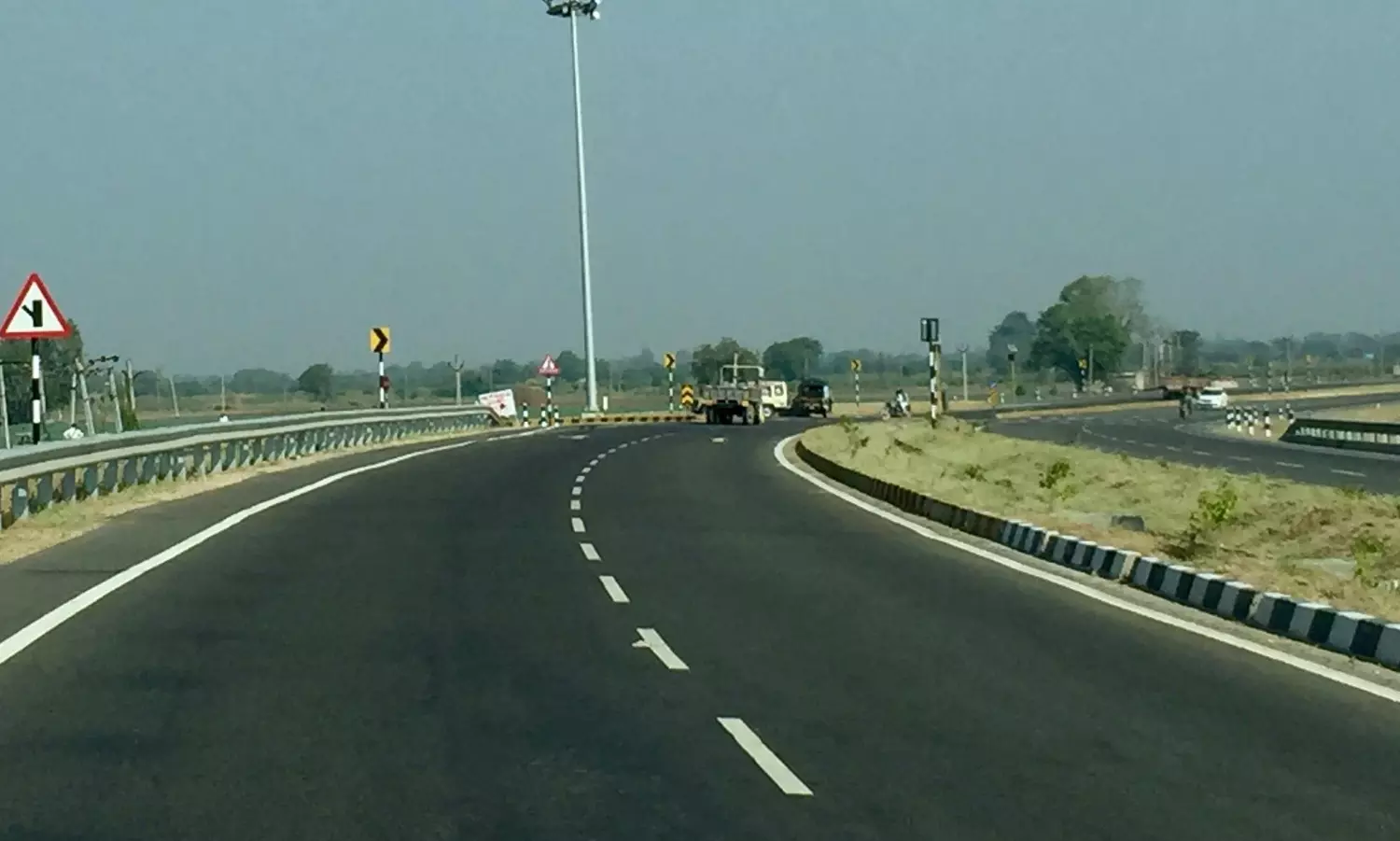
Delhi’s much-awaited expressway to Dehradun, once hailed as a flagship infrastructure project promising to cut travel time by more than half, has run into prolonged delays, leaving commuters disillusioned and questioning execution timelines. The partially operational corridor, projected to reduce the six-hour journey to just two-and-a-half hours, remains incomplete with legal disputes and construction bottlenecks holding back its full rollout.
Planned in four phases, the expressway was designed to offer seamless connectivity between Delhi, western Uttar Pradesh and Uttarakhand. Officials confirmed that Phase 1, linking Akshardham in Delhi to Baghpat in Uttar Pradesh, was opened to traffic in early 2025. The remaining stretches, however, are still under varying stages of development, casting a long shadow over the project’s promise of efficiency and convenience.While work on Phases 2 and 3 connecting the Eastern Peripheral Expressway to Saharanpur and further up to Ganeshpur near the Uttarakhand border has advanced considerably, the final stretch between Ganeshpur and Dehradun remains stalled. The deadlock centres around a land acquisition dispute in Ghaziabad’s Mandola region. Insiders pointed out that until legal clarity emerges, the most critical portion of the highway which includes India’s longest elevated wildlife corridor cannot progress.
Also Watch: An Exclusive Interview with Sanjeev Jaiswal (IAS), CEO MHADA
The extended delay has triggered mounting frustration among daily travellers and weekend tourists alike. Social media platforms are abuzz with expressions of anger, with commuters highlighting repeated missed deadlines and inadequate communication from authorities. Infrastructure experts observe that the credibility of highway expansion projects risks erosion when deadlines are pushed without transparent updates.The expressway’s significance extends well beyond commuting comfort. Once operational, it is expected to boost tourism in Uttarakhand, ease freight logistics in western Uttar Pradesh, and spur economic growth across the corridor. Analysts believe the partial opening has already provided some relief by decongesting local routes, but the absence of continuity reduces the intended economic multiplier effect.
Transport specialists argue that the hold-up underscores a larger need for robust land acquisition frameworks and inter-agency coordination to avoid prolonged disputes. They also note that the delayed completion hampers broader goals of promoting eco-friendly, low-emission travel by reducing vehicular idling times and fuel wastage on congested routes.For now, motorists must navigate incomplete stretches, blending newly constructed segments with older roads. Officials indicate that construction is on track for Phases 2 and 3, but admit that Phase 4 will only move forward once the land litigation is resolved. Until then, the expressway remains a symbol of ambitious planning slowed by procedural roadblocks.
